Office-Based Release Is an Option
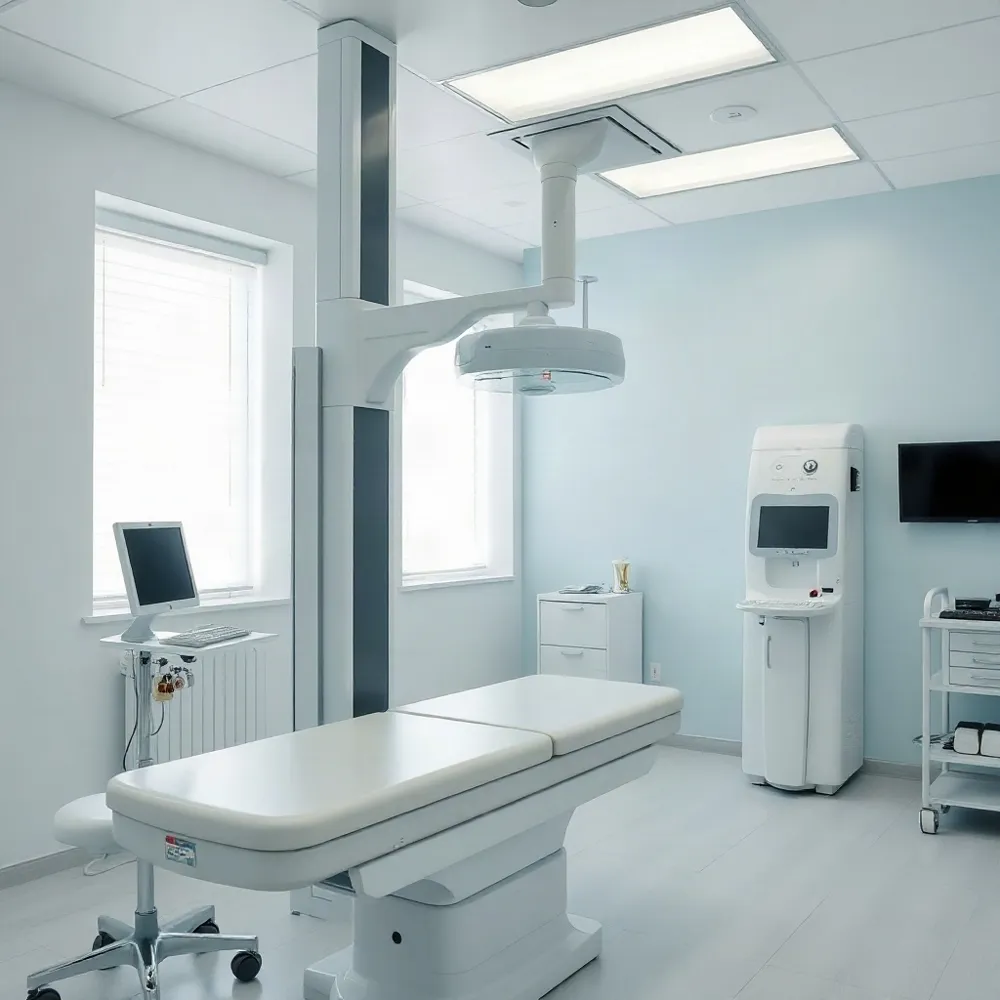
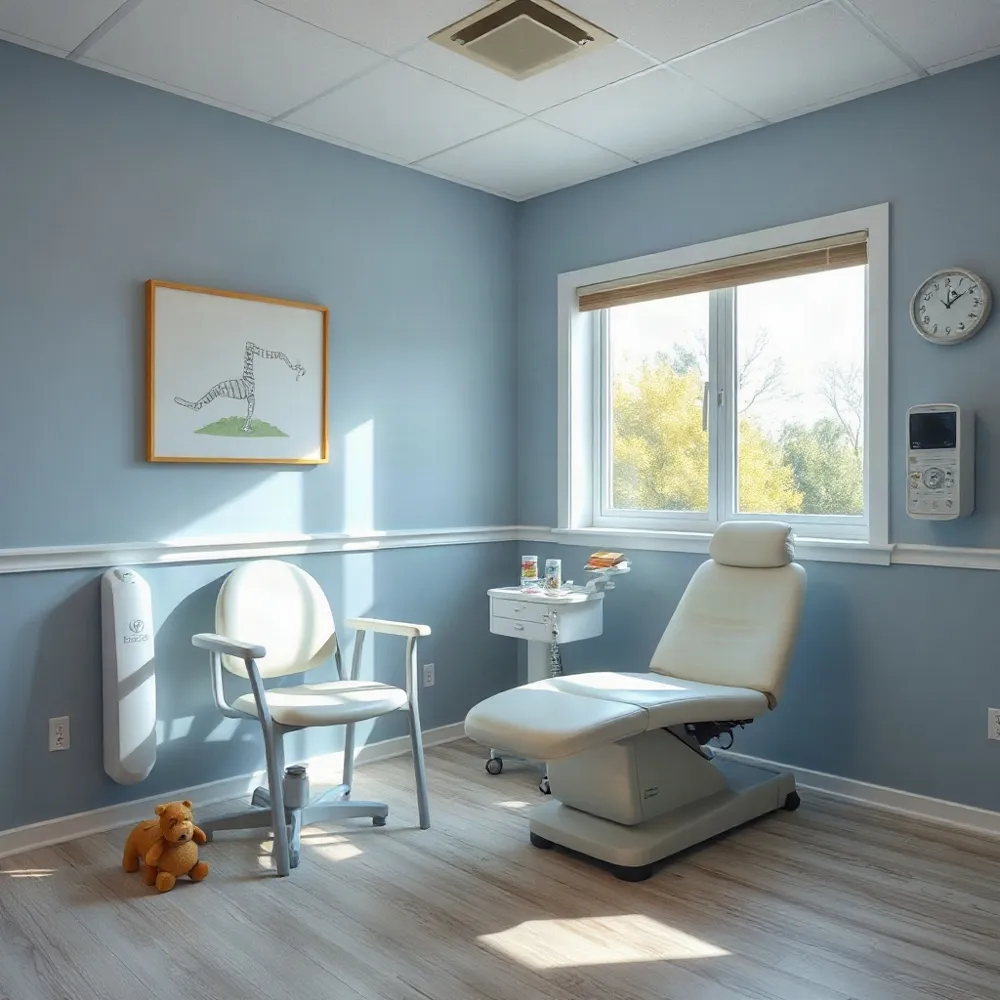
Yes. Carpal tunnel release can be performed in a doctor’s office with local anesthesia, so you remain awake while the hand and wrist are numbed. Dr. Yu offers this option in her Berkeley practice for some people with carpal tunnel syndrome.
The operation eases pressure on the median nerve by dividing the ligament that forms the roof of the carpal tunnel. This gives the nerve more room. The goal is to address compression at the wrist, not to treat every possible cause of hand numbness or pain.
At Dr. Yu’s practice, carpal tunnel release is among the procedures that may be done in the office under local anesthesia, without preoperative laboratory tests. Larger operations take place at a surgery center or hospital. These are practice-specific arrangements, not a standard for every surgeon or setting.
The exact technique, procedure details, and recovery plan depend on your circumstances. During a consultation, the surgeon can review your symptoms and testing, explain the options, and discuss whether an office procedure is a suitable setting for you.
When Release May Be Considered
 Carpal tunnel syndrome can cause numbness, tingling, pain, or trouble using the hand. Symptoms often build gradually and may affect one or both hands. If these problems continue or interfere with daily activities, a hand specialist can assess whether carpal tunnel release is an appropriate option.
Nonsurgical care is often tried first. A clinician may consider release if symptoms persist despite treatment, tests support the diagnosis, or pressure on the median nerve is severe or has lasted long enough to cause weakness. The decision depends on your symptoms and examination, not on numbness alone.
During release, the surgeon divides the transverse carpal ligament, which forms the roof of the wrist tunnel. This creates more room for the median nerve and tendons passing through it. The goal is to relieve pressure, though the likely benefits and risks should be discussed for your individual situation.
Dr. Rebecca S. Yu is a fellowship-trained, board-certified orthopedic surgeon with a Certificate of Added Qualifications in Hand Surgery. In her Berkeley practice, she can review your symptoms, examination and test results with you and discuss whether release fits your circumstances.
What an Office Procedure Involves
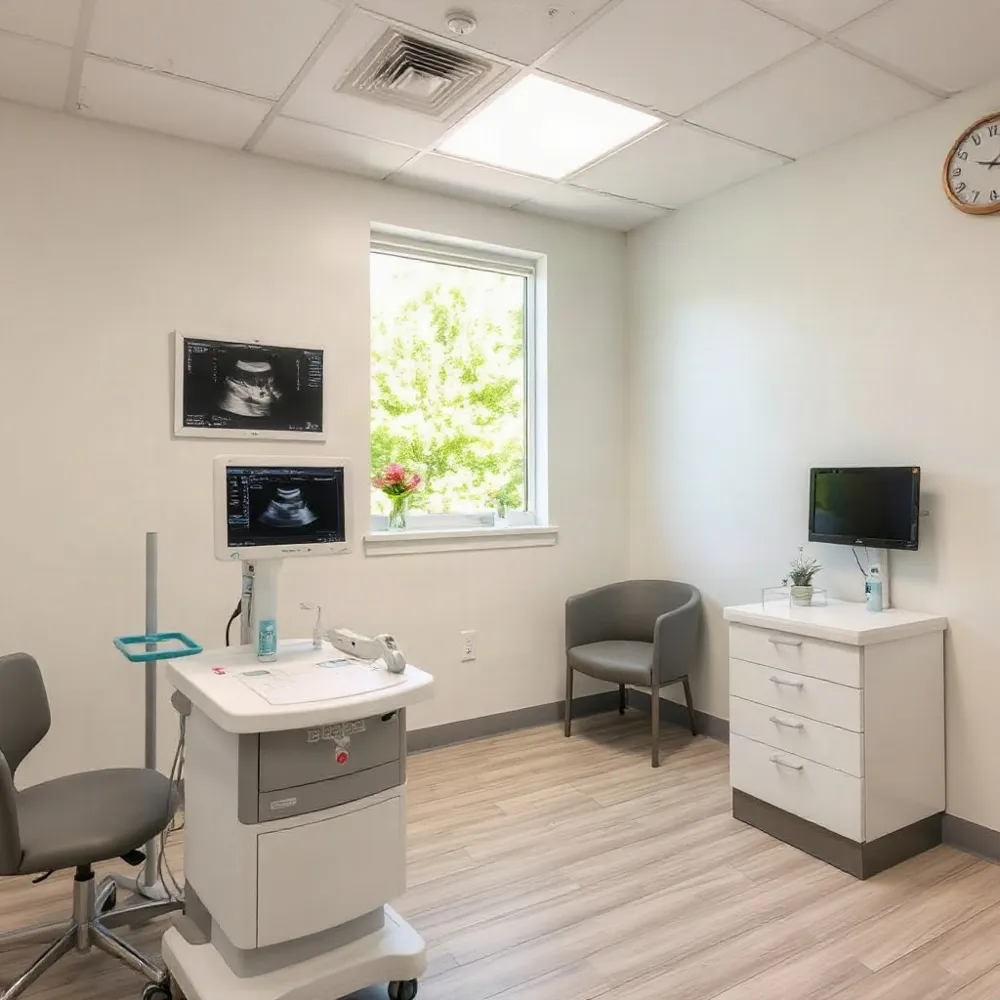 An office procedure is a surgery performed in the clinic under local anesthesia, without a hospital stay. Dr. Yu offers carpal tunnel release in her Berkeley office under local anesthesia. Whether an office procedure is right for you depends on your health, preferences, and the surgeon’s assessment.
Local anesthesia numbs the hand and wrist while you remain awake. Awake does not mean surgery without anesthesia: you may notice pressure or movement, but the area is numbed. Discuss any concerns about being awake, and the anesthesia plan for your situation, with Dr. Yu.
The general purpose of release is to divide the ligament forming the roof of the carpal tunnel, creating more room for the compressed median nerve. The operation may be performed using different approaches, and details such as incision, instruments, and closure depend on the planned technique.
Dr. Yu’s office offers selected procedures under local anesthesia; larger surgeries are performed at The Surgery Center of Alta Bates Summit Medical Center or Alta Bates Hospital. You can review the practice’s office procedures and ask which setting fits your care.
Common questions
Can carpal tunnel release be done in the office? Yes, it can often be performed there, but the appropriate setting depends on your circumstances and the surgeon’s assessment.
Will I be put to sleep or need sedation? The office procedure uses local anesthesia, so you remain awake while the area is numb. Ask Dr. Yu about your individual anesthesia plan.
What happens during the procedure? The surgeon releases the ligament pressing on the median nerve. Dr. Yu can explain the specific technique, preparation, and aftercare planned for you.
To discuss carpal tunnel release, book an appointment or call (510) 540-6800.
Recovery Depends on the Patient
 After carpal tunnel release, soreness, tenderness, swelling, or temporary weakness may occur. The procedure relieves pressure on the median nerve by dividing the ligament over the carpal tunnel, but numbness may take longer to improve, especially when compression has been present for a long time. For more information on carpal tunnel syndrome, see Dr. Yu's carpal tunnel syndrome page.
Recovery and return to work depend on how the hand heals, which hand was treated, and the demands of your job. Rebecca S. Yu, MD’s practice performs carpal tunnel release in the office under local anesthesia, but the setting does not determine an individual recovery schedule.
Follow your care team’s instructions for incision care, hand movement, lifting, exercise, driving, and follow-up. Gentle movement may be encouraged, while gripping or heavier activities may need to wait. Do not drive if medication makes you drowsy or if you cannot safely control the vehicle.
Contact your surgeon about new or worsening numbness, weakness, or pain, or concerning changes such as increasing redness, swelling, drainage, or bleeding at the incision. Dr. Yu’s Berkeley practice can give instructions tailored to your procedure and healing.
Common Questions
How painful is the procedure? The hand and wrist are numbed, though you may notice pressure or movement. Soreness afterward is possible, and symptoms may take time to improve.
When can I return to work or drive? Timing varies with healing and job demands. Ask your surgeon when it is safe for you.
When can I exercise again? Follow your surgeon’s guidance on movement, lifting, gripping, and returning to exercise.
To discuss your recovery plan, book an appointment or call (510) 540-6800.
Common Questions About Ongoing Symptoms
Numbness, weakness, or pain may not disappear immediately after carpal tunnel release. When the median nerve has been compressed for a long time, it can take longer to recover, and the pace of improvement varies from person to person. Johns Hopkins’ carpal tunnel release guidance notes that recovery can range from days to months.
If symptoms worsen, new symptoms appear, or improvement stalls and you remain concerned, contact your surgeon rather than trying to guess the cause. An examination can help assess the hand and guide next steps. Dr. Yu’s hand and wrist care includes evaluation of hand and wrist conditions in her Berkeley practice.
Common questions
What if numbness, weakness, or pain continues or worsens after surgery? Some symptoms take time to improve, but worsening, new, or persistent concerns should be discussed with your surgeon. Seek prompt advice for a concerning change around the incision, such as increasing redness, swelling, drainage, or pain.
To discuss ongoing symptoms or arrange an evaluation, book an appointment or call (510) 540-6800.
Discuss the Setting and Your Plan
An office-based release under local anesthesia is one option, not the right choice for everyone. Your hand surgeon can discuss whether release is appropriate, which setting and anesthesia fit your situation, and what risks and recovery may involve.
At her Berkeley practice, Dr. Rebecca S. Yu performs carpal tunnel release and other selected procedures in the office under local anesthesia. Larger operations are performed at a surgery center or hospital. The practice serves patients in Berkeley and across the East Bay, and a consultation gives you time to raise concerns and understand the plan before deciding.
To discuss your options, book an appointment or call (510) 540-6800.