Understanding the Intersection of Body and Mind
Trauma to hand and upper‑extremity injuries is common—studies report PTSD rates of 8‑24 % and depression in up to one‑third of patients. Emotional support matters: patients who receive consistent psychological reassurance experience lower pain scores, faster grip‑strength recovery, and higher satisfaction, while compassionate bedside manner cuts postoperative opioid use. Trauma‑informed orthopedic care builds on these findings by integrating mental‑health screening, active listening, and clear, empathetic communication into every visit. Multidisciplinary teams that include psychologists, occupational therapists, and social workers address anxiety, depression, and PTSD early, improving adherence to rehab protocols and accelerating return to daily activities. This compassionate, patient‑centered approach transforms surgical outcomes from merely physical to truly holistic.
Managing Chronic Injuries Mentally
 How to mentally deal with a chronic injury?
Living with a chronic hand or upper‑extremity injury often triggers anxiety, depression, and a sense of lost control. Addressing both the physical and emotional components of pain is essential for recovery.
How to mentally deal with a chronic injury?
Living with a chronic hand or upper‑extremity injury often triggers anxiety, depression, and a sense of lost control. Addressing both the physical and emotional components of pain is essential for recovery.
Mindfulness and meditation to calm the nervous system Regular mindfulness practice—such as guided breathing, body‑scan meditation, or brief mindfulness‑based stress‑reduction (MBSR) sessions—activates the parasympathetic nervous system, lowers cortisol, and interrupts the pain‑stress cycle. Incorporating these techniques before or after therapy sessions can improve pain tolerance and sleep quality.
Cognitive‑behavioral techniques for pain‑stress cycles CBT strategies like challenging catastrophic thoughts, setting realistic functional goals, and keeping a daily thought‑record help reframe the injury experience. Gradual exposure to feared movements, combined with positive self‑talk, reduces fear‑avoidance and promotes adherence to rehabilitation.
Multidisciplinary programs that include pain specialists and therapists Coordinated care that brings together orthopedic surgeons, pain medicine physicians, rehabilitation psychologists, occupational therapists, and social‑work support yields higher satisfaction, faster return to work, and lower opioid use. Early screening with tools such as PHQ‑9 and GAD‑7 ensures timely referrals.
Lifestyle factors: sleep hygiene, nutrition, social connection Prioritizing 7‑9 hours of restorative sleep, a balanced diet rich in omega‑3 fatty acids, and regular gentle activity (e.g., walking, stretching) supports mood regulation. Maintaining strong social ties—through family, peer‑support groups, or virtual counseling—buffers stress and fosters resilience.
By integrating mindfulness, CBT, collaborative care, and healthy lifestyle habits, patients can break the vicious pain‑stress loop, regain confidence in their abilities, and achieve a higher quality of life despite chronic injury.
Psychological Impact of Hand Injuries
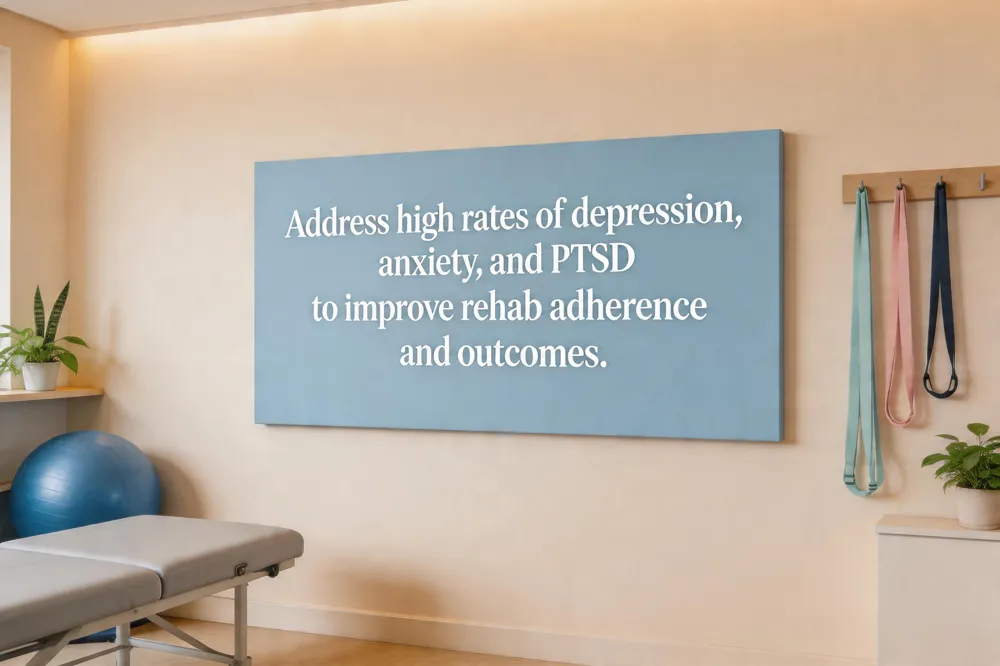 Hand and upper‑extremity trauma consistently trigger significant mental‑health sequelae. Systematic reviews report depression in roughly 8‑24 % of patients, anxiety in 20‑40 %, and PTSD symptoms in 8‑24 % (with some studies noting up to 52 % prevalence). These conditions manifest as sadness, fear of re‑injury, flashbacks, sleep disturbance, and a loss of independence, which together can diminish motivation and prolong recovery.
Psychological distress directly interferes with rehabilitation. Heightened anxiety and depressive rumination increase cortisol, impairing wound healing and reducing grip‑strength gains. Patients with untreated PTSD or depression are less likely to attend hand‑therapy sessions, report higher pain scores, and consume more opioids, leading to slower functional return and lower satisfaction.
Early counseling and support services break this cycle. Integrated care models that embed mental‑health screening, CBT, trauma‑focused therapy, and mindfulness within orthopedic clinics have shown lower anxiety/depression scores, faster adherence to rehab protocols, and earlier return to work. Compassionate communication, family involvement, and telehealth counseling further bolster emotional resilience, translating into measurable improvements in hand function and overall quality of life.
Recognizing Trauma Reactions
 Patients who have experienced hand or upper‑extremity trauma often display a mixture of behavioral and emotional signals that signal an ongoing trauma response. Common signs include persistent feelings of hopelessness or a bleak outlook for the future, emotional numbness or detachment from self and others, difficulty concentrating, making decisions, or remembering details, an exaggerated startle response with constant hyper‑vigilance to potential threats, and intrusive recollections or flashbacks that replay the traumatic event. These reactions can be amplified by the stress of surgery, pain, or the uncertainty of functional recovery. When such symptoms linger beyond a few weeks, interfere with daily activities, or are accompanied by sleep disturbances, nightmares, or avoidance of rehabilitation exercises, a professional evaluation is warranted. Early screening using tools like the PHQ‑9 or GAD‑7, followed by referral to a psychologist or rehabilitation therapist, can prevent chronic PTSD, depression, or anxiety and improve adherence to postoperative protocols, ultimately supporting faster functional recovery.
Psychosocial Challenges After Hand Trauma
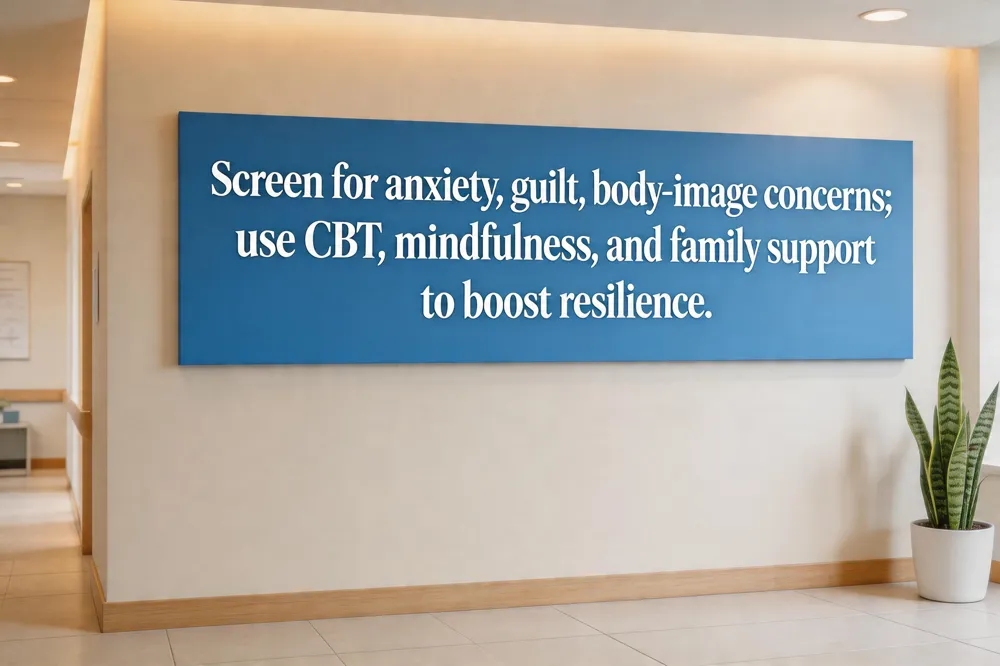 Patients recovering from a traumatic hand injury often grapple with a cluster of psychosocial issues that can hinder adjustment. Common emotional responses include anxiety about re‑injury or loss of function, guilt for being a burden, fear of pain or surgery, sadness over altered body image, and anger toward the injury or the recovery process. These feelings can amplify perceived pain, elevate cortisol levels, and delay wound healing, leading to poorer surgical outcomes and reduced adherence to prescribed hand‑therapy regimens. Persistent distress may also increase the risk of depression, post‑traumatic stress disorder, and chronic opioid use.
To promote resilience, clinicians should incorporate early screening for anxiety, depression, and PTSD using tools such as the PHQ‑9 or GAD‑7, and refer patients to mental‑health professionals for evidence‑based interventions (e.g., CBT, trauma‑focused CBT, EMDR). Mindfulness‑based stress reduction, guided imagery, and self‑compassion exercises can lower physiological stress and improve pain tolerance. Family involvement, clear communication about treatment plans, and patient education that normalizes emotional reactions further empower patients to engage actively in rehabilitation, accelerate functional recovery, and enhance overall quality of life.
The Toughest Traumas to Heal From
 The most challenging traumas to heal from often include the death of a loved one, chronic illness or persistent pain, and post‑traumatic stress disorder (PTSD). Emotional support and compassionate care are especially critical for these high‑impact stressors. Studies of hand and upper‑extremity trauma show that persistent pain and elevated cortisol can delay tissue repair, while PTSD symptoms—nightmares, flashbacks, hyper‑vigilance—impair functional recovery and increase the risk of chronic pain. Integrating mental‑health screening, CBT, EMDR, and self‑compassion practices into orthopedic and rehabilitation plans improves outcomes, reduces opioid use, and accelerates return to daily activities. Social support, clear communication, and validation from providers lower anxiety, improve adherence to therapy, and foster a sense of safety that mitigates the physiological stress response. Early identification of PTSD and timely referral to trauma‑focused therapy, combined with mindfulness‑based stress reduction, can prevent long‑term disability and promote post‑traumatic growth. In short, the hardest traumas—loss, ongoing pain, and PTSD—require a coordinated, compassionate, and trauma‑informed approach to achieve optimal healing.
Compassionate Care as a Healing Catalyst
A growing body of U.S. research shows that patients who receive consistent emotional support after hand or upper‑extremity trauma recover functional abilities 20‑30 % faster, report lower pain scores, and use fewer opioids. Compassionate communication lowers cortisol, improves wound healing, and boosts adherence to hand‑therapy protocols. Because psychological distress can linger for months, it is essential for patients to seek integrated care that pairs surgical treatment with mental‑health screening, counseling, and education. Tele‑health counseling services are offered through partner clinics, and Samaritan Orthopedics provides hand‑therapy videos on its website to reinforce exercises at home. To schedule an appointment with Dr. Rebecca S. Yu, call 1‑800‑555‑0199, use the online booking form on the Pacific Crest Orthopedics portal, or request a tele‑visit during your next follow‑up.