Why Elbow Pain is a Growing Concern for Swimmers
A Hidden Epidemic in the Pool: Why Elbow Pain Matters More Than You Think
For decades, the dominant narrative in swimming has been that the shoulder is the area most vulnerable to injury. While it's true that swimmer's shoulder affects a staggering 40% to 91% of athletes at some point, a frequently overlooked issue is gaining attention: elbow pain. Research indicates that over 58% of elite swimmers experience elbow discomfort, yet it often remains underdiagnosed and undertreated because the sport is traditionally viewed as putting strain only on the shoulders, knees, and back. This oversight means many swimmers are unknowingly training through a problem that, if left unaddressed, can lead to chronic pain, reduced performance, and extended time away from the pool.
The Overhead Sport Connection: Elbow Pain Isn't Just for Throwers
Swimming is, in fact, an overhead sport. The repetitive overhead motion of freestyle, butterfly, and backstroke subjects the elbow joint to significant forces. During each stroke cycle, the muscles and tendons on the inner and outer aspects of the elbow—the same structures affected in golfer's elbow (medial epicondylitis) and tennis elbow (lateral epicondylitis)—are repeatedly stressed. A study of competitive swimmers found that the specific mechanism of elbow pain often mirrors these conditions, linking swimming-related elbow pain directly to well-known overuse tendinopathies. This is not a minor issue; it’s a structural response to the repetitive, high-volume nature of training.
The Stroke Mechanics: Where the Risk Lies
Understanding precisely where and how the elbow is placed under duress is essential for preventing overuse injuries. The problem isn't simply that you are moving your arm; it's how you are moving it. The risk resides in two critical phases of the stroke: the recovery and the pull.
The Recovery Phase: A Delicate Balancing Act
During the recovery of the freestyle stroke, the arm moves through the air. While this might seem like a restful moment, incorrect technique can be a primary cause of injury. The common mistake is leading the recovery with the hand rather than the elbow. When the hand leads, the arm stretches forward, placing the shoulder and elbow under undue stress. The correct technique involves a high elbow recovery, where the elbow is the highest point of the arm. However, an exaggerated high elbow recovery (like the fingertip drag) can be equally harmful, placing tremendous stress on the shoulder. The ideal position forms a scalene obtuse triangle between the shoulder, elbow, and wrist, with the elbow only slightly higher (2–3 inches) than the wrist and shoulder. The mantra, “The elbow leads the recovery and the fingertips lead the hand entry,” is a simple yet powerful guide to reducing injury risk.
The Pull Phase: The True Test of Position
The true value of a high elbow is realized under the water during the ‘catch’ and ‘pull-through’ phase. Here, the goal is for the elbow to remain above the wrist. When the elbow drops below the wrist, the hand pushes backward instead of backward and downward, dramatically reducing propulsion and increasing strain on the shoulder and elbow tendons. The correct position is confirmed when the fingertips point directly toward the bottom of the pool; if they point even slightly to the side, the elbow has dropped. This “dropped elbow” during the early pull-through is a common flaw that can engage the wrong muscles and set the stage for overuse. Mastering this underwater position is not about building more strength, but about using your body’s mechanics more efficiently to protect your joints.
By recognizing that elbow pain is a significant problem and understanding the biomechanics that cause it, swimmers can move from being reactive to proactive, addressing the root cause of pain before it becomes a chronic issue.
| Overlooked Risk Factor | Scientific Evidence | Implication for Swimmers |
|---|---|---|
| Elbow pain in swimming | 58.84% of elite swimmers report elbow pain (n=311 Tianjin study) | Not just a shoulder sport; requires active elbow monitoring |
| Tiger-top of repetitive motion | Swimmer's elbow (medial epicondylitis) linked to swim mechanics | Similar risk profile to golfers and tennis players |
| Faulty recovery mechanics | Hand-leading recovery stresses elbow and shoulder; correct form: elbow leads | A high elbow should be subtle, not exaggerated, to prevent injury |
| The “Dropped Elbow” in pull phase | Elbow below wrist reduces propulsion and increases tendon strain | Fingertips should point to pool bottom; drill this position with knuckle paddles |
What Is Swimmer's Elbow? Understanding the Pain Inside Your Joint
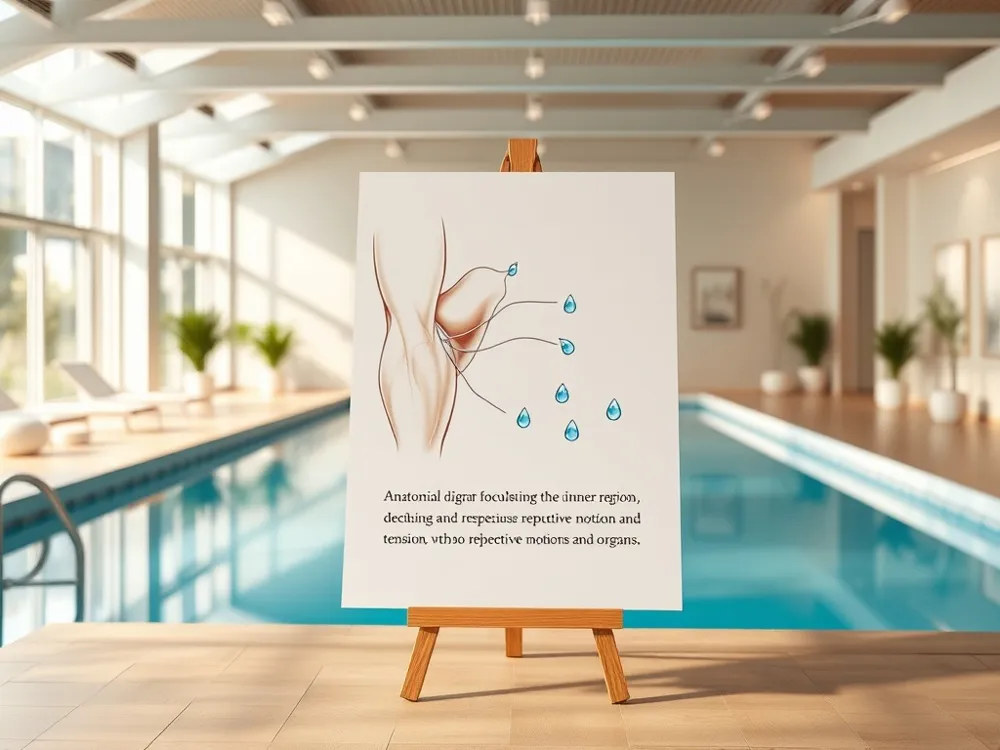
Defining Swimmer's Elbow: Medial Epicondylitis (or Golfer's Elbow)
Swimmer's elbow is often used as a catch-all term for inner elbow pain in swimmers, but it specifically refers to medial epicondylitis, also known as golfer's elbow. This overuse injury involves inflammation of the tendons that connect the forearm muscles to the bony bump (medial epicondyle) on the inside of the elbow. The repetitive, forceful motion of pulling through the water, especially during strokes like freestyle and butterfly, places constant strain on these wrist and finger flexor tendons. This repeated stress can lead to microtears, inflammation, and pain, potentially reducing grip strength and making it difficult to continue training.
Distinguishing Swimmer's Elbow from Tennis Elbow
It is important to distinguish swimmer's elbow from tennis elbow (lateral epicondylitis). While the terms sound similar, they affect opposite sides of the joint. Tennis elbow causes pain on the outside of the elbow and typically results from repetitive wrist extension, which is more common in racket sports. In swimmers, tennis elbow can also develop if the pull technique, particularly a high elbow catch, creates excessive rotational forces at the elbow joint. Understanding this difference is crucial for accurate treatment; for example, rest and ice are common for both, but the specific strengthening exercises will target the affected tendon group.
A Broader Definition: Which Elbow Tendinopathy?
The term 'swimmer's elbow' can be ambiguous. It may refer to either medial or lateral tendinopathy depending on the swimmer's stroke mechanics and injury patterns. In practice, elbow pain in swimmers is not always neatly categorized. A study of 311 elite freestyle swimmers found that 58.84% experienced elbow pain, but only three participants had formal medical diagnoses: one for golfer's elbow and two for tennis elbow. This suggests that the clinical use of the term can vary, and a precise diagnosis is essential for guided treatment.
Common Symptoms of Swimmer's Elbow
Symptoms of swimmer's elbow typically develop gradually. Common signs include:
- Pain and tenderness on the inner side of the elbow, which may worsen with swimming, gripping, or lifting.
- Swelling, warmth, or redness around the joint.
- Stiffness in the elbow.
- Weakness in grip or wrist movement.
- Discomfort when fully extending or flexing the wrist.
In more severe cases, pain can persist even at rest. These symptoms are hallmarks of overuse tendinopathy affecting the wrist flexor tendons.
The Most Common Overuse Injuries of the Elbow in Athletes
Beyond swimmer's elbow, athletes in overhead sports frequently encounter other overuse injuries:
| Injury Type | Description | Common in | Key Cause |
|---|---|---|---|
| Tennis Elbow (Lateral Epicondylitis) | Tendonitis on the outside of the elbow. | Throwers, racquet sport players, weightlifters. | Repetitive gripping or wrist extension. |
| Golfer's Elbow (Medial Epicondylitis) | Tendonitis on the inside of the elbow. | Golfers, swimmers, baseball pitchers. | Repetitive wrist flexion or forearm rotation. |
| Ulnar Collateral Ligament (UCL) Injury | Sprain or tear of the inner elbow ligament. | Overhead throwing athletes (e.g., baseball pitchers). | Repeated stress on the inner elbow from throwing. |
| Olecranon Bursitis | Inflammation of the bursa at the tip of the elbow. | Athletes with repeated elbow pressure or friction. | Inflammation of the fluid-filled sac cushioning the joint. |
Understanding these categories helps swimmers, coaches, and clinicians identify the specific problem and design an effective, targeted treatment plan.
Table: Comparing Common Elbow Overuse Injuries in Athletes
The table below provides a quick reference for distinguishing the most common elbow issues:
| Condition | Location of Pain | Typical Cause | Sport Examples |
|---|---|---|---|
| Tennis Elbow | Outside of elbow | Repetitive wrist extension | Tennis, badminton, squash, weightlifting |
| Golfer's Elbow | Inside of elbow | Repetitive wrist flexion | Golf, swimming, baseball |
| UCL Injury | Inside of elbow | Overhead throwing | Baseball, javelin, football (quarterback) |
| Olecranon Bursitis | Tip of elbow (posterior) | Pressure or friction | Football (offensive linemen), wrestling |
| Biceps Tendinitis | Front of elbow (distal biceps) | Overuse from pulling motions | Swimming, weightlifting, rock climbing |
Why Freestyle Hurts: The Biomechanics of Elbow Strain
What causes elbow pain in swimmers, especially during freestyle?
Elbow pain in swimmers, particularly during freestyle, is primarily a result of repetitive microtrauma. The repetitive overhead motion of the stroke, combined with overuse and improper technique, places immense strain on the elbow joint and its surrounding tendons. This strain can lead to specific overuse conditions like swimmer's elbow (medial epicondylitis), where the tendons on the inside of the elbow become inflamed. The problem is widespread, with one study of 311 elite freestyle swimmers finding that 58.84% reported some degree of elbow pain.
Faulty High Elbow and Medial Tendon Overload
A common technical flaw contributing to this is a faulty "high elbow" position during the underwater pull phase. While a high elbow is beneficial for propulsion, an exaggerated version—often practiced in thumb-drag or fingertip-drag drills—can be detrimental. When the elbow is forced too high, it places tremendous stress on the shoulder and, by extension, the elbow tendons. This overload is a direct cause of the pain and inflammation associated with swimmer's elbow.
What contributes to elbow overuse?
Several factors increase a swimmer's risk of developing elbow overuse injuries. Research indicates that characteristics such as heavier body weight, taller height, and longer forearm length are associated with a higher occurrence of elbow pain. The amount of training is also a critical factor; swimmers with longer weekly training hours face a significantly greater risk. Furthermore, the study noted that male swimmers were approximately three times more prone to elbow pain than their female counterparts. These elements all contribute to the cumulative load on the elbow, making proper technique and load management essential for prevention.
Poor Fingertip Orientation: The Dropped Elbow Problem
The specific orientation of the hand during the pull phase is crucial. The correct underwater pull position requires the fingertips to point directly to the bottom of the pool. If the fingertips point even slightly to the side, it means the elbow has dropped. This dropped elbow not only slows propulsion but also significantly increases strain on the shoulder and elbow joints. This poor mechanics forces the tendons to work harder and under more stress, accelerating the microtrauma that leads to pain.
How can technique analysis prevent elbow pain?
Preventing these injuries hinges on identifying and correcting these biomechanical flaws. A simple but effective guideline is: during the recovery phase, the elbow should lead, while during hand entry, the fingertips should lead. A coach's analysis can pinpoint subtle issues like an excessive arm recovery or a hand crossing the body's midline. By refining these mechanics, swimmers can dramatically reduce the stress on their elbows, allowing for more efficient, pain-free swimming.
| Risk Factor | Description | Impact on Elbow |
|---|---|---|
| Faulty High Elbow | An exaggerated elbow position during the underwater pull, or a poor recovery technique. | Overloads the medial tendons of the elbow, leading to epicondylitis. |
| Increased Body Weight | Heavier swimmers place more force through the upper limbs during each stroke. | Increases the repetitive load on the elbow joint and tendons. |
| Longer Forearm Length | Acts as a longer lever arm during the pull phase. | Increases the torque and strain on the elbow tendons. |
| High Weekly Training Volume | More hours in the water mean more repetitions of the damaging motion. | Increases cumulative microtrauma and reduces recovery time for tissues. |
| Poor Fingertip Orientation | Fingertips pointing sideways instead of downwards, causing a dropped elbow. | Reduces propulsion and increases strain on the shoulder and elbow. |
| Inadequate Body Rotation | Relying solely on the arm to pull instead of engaging the core and hip rotation. | Places excessive stress on the shoulder and elbow structures. |
How to Prevent Swimmer's Elbow: Technique and Training Tips
Comprehensive Prevention Strategies: Warming Up and Building Up
Preventing swimmer's elbow starts before you even enter the water. A dynamic warm-up is crucial to prepare your muscles and joints for the repetitive motion ahead. Include exercises like shoulder rolls, arm circles, neck stretches, and leg swings. These movements increase blood flow and flexibility, reducing the risk of injury.
Equally important is managing your training load. A common and effective guideline is to increase your total weekly training volume by no more than 10% per week. This gradual progression allows your body's tendons and connective tissues time to adapt to the increased stress, preventing the microtrauma that leads to overuse injuries. Always listen to your body and schedule rest days for recovery.
For some athletes, a counterforce brace worn just below the elbow on the forearm can be beneficial. This brace works by altering the angle of the muscle and tendon pull, effectively reducing the stress transmitted to the tendon's attachment point on the elbow bone. It is a tool to manage symptoms during activity, not a substitute for addressing the underlying causes of the injury.
The High Elbow Catch and Recovery: The Foundation of Safe Technique
Proper stroke technique is your single most powerful tool against elbow overuse. The fundamental principle for freestyle can be summarized as: the elbow leads the recovery, and the fingertips lead the hand entry.
During the recovery phase (when your arm is out of the water), your elbow should be the highest point of your arm and the first part to exit the water. It should stay outside the line of your shoulder. A common mistake is to let the hand lead the recovery, which forces the arm into a straight, tense position and increases shoulder and elbow strain. Think of swinging your forearm loosely from a high, bent elbow, forming a loose scalene triangle between your shoulder, elbow, and wrist. Your elbow should only be about 2-3 inches higher than your wrist and shoulder.
The true value of the 'high elbow' is realized during the underwater pull. After your hand enters the water (fingertips first, just in front of the shoulder), you must avoid a 'dropped elbow.' A dropped elbow occurs when the elbow sinks below the hand during the pull, causing you to push against the water with your forearm instead of your hand. The correct position is to have your fingers pointing straight down toward the bottom of the pool, with your elbow clearly above your wrist. This position, often described as grabbing onto a barrel, engages your powerful back and core muscles (latissimus dorsi) and keeps the stress off your elbow and shoulder.
Essential Dryland Exercises: Building a Resilient Arm
To protect your elbows, you must build strength and stability in the entire kinetic chain, from your shoulder blades down to your grip. A balanced dryland program is essential.
- Rotator Cuff and Scapular Stability: Exercises that strengthen the muscles around your shoulder blade, like 'T-Y-I' exercises and prone rows, provide a stable base for your arm. A stable shoulder removes excessive stress from the elbow. The rotator cuff (internal/external rotation with a band) is also critical.
- Targeted Elbow and Grip Work: Swimmer's elbow (medial epicondylitis) involves the wrist flexor tendons. Eccentric wrist curls are a gold standard for treatment and prevention. With your forearm resting on a table and your hand hanging off, use your good hand to curl the weight up, then slowly (over 3-5 seconds) lower it using only your affected wrist. Grip strengthening exercises, such as squeezing a tennis ball or stress ball, also build muscular endurance in the forearm.
- Core Strength: A strong, stable core helps maintain proper body position in the water, allowing you to rotate your torso instead of over-stressing your arm to generate power.
Cross-Training, Recovery, and Nutrition
Preventing overuse requires variety. Cross-training is not optional—it is a core component of the prevention strategy. Strength training for the shoulders, core, and upper back builds the stabilizing muscles that support your stroke. Flexibility work, such as daily stretching for the chest, shoulders, and forearms, counteracts the tightness developed from repetitive motion. Active recovery sessions using low-impact activities like walking, gentle cycling, or yoga on your rest days promote blood flow and tissue repair without adding joint stress.
Finally, support your training with proper nutrition. Adequate protein intake provides the building blocks for muscle and tendon repair. Staying well-hydrated before, during, and after practice is crucial for tissue health and function. Include anti-inflammatory nutrients like omega-3 fatty acids (found in fish, flaxseeds, and walnuts) and antioxidants (from colorful fruits and vegetables) in your diet to help manage the low-level inflammation that can accumulate from training. By combining technical refinement with a comprehensive physical and nutritional program, you can swim efficiently and injury-free for years to come. For persistent pain, always consult a coach, physical therapist, or sports medicine specialist.
| Prevention Strategy | Core Action | Key Benefit |
|---|---|---|
| Warm-up & Progression | Dynamic stretches; 10% weekly volume increase | Prepares tissues; allows adaptation |
| Stroke Technique | Elbow leads recovery; high elbow catch underwater | Shifts load from elbow to larger back/core muscles |
| Dryland Exercises | Eccentric wrist curls; scapular & rotator cuff work | Strengthens tendons; stabilizes shoulder joint |
| Cross-Training | Strength, flexibility, & low-impact aerobic work | Prevents overuse; promotes balanced muscle development |
| Nutrition & Hydration | Protein, hydration, omega-3s, antioxidants | Supports tissue repair; manages inflammation |
Bursitis vs. Tendonitis: Spotting the Difference and When to Worry
Olecranon Bursitis vs. Swimmer’s Elbow: Understanding the Difference
Elbow pain in swimmers is often incorrectly self-diagnosed as tendinitis, but bursitis is a distinct condition with different symptoms. Olecranon bursitis, also known as “water on the elbow,” involves inflammation of the fluid-filled sac (bursa) that cushions the tip of the elbow. This causes a visible, often soft swelling over the pointy bone at the back of the elbow, and the pain is typically localized to that spot, not along the inner or outer tendons. In contrast, swimmer’s elbow (medial epicondylitis) is a tendon overuse injury causing pain and tenderness on the inner side of the joint, where the forearm muscles attach. Swimmer’s elbow is driven by repetitive wrist flexion and forearm rotation, whereas simple bursitis more often results from direct pressure or repetitive friction against the elbow.
Red Flags: When Elbow Bursitis Is an Emergency
While most bursitis is non-infectious and resolves on its own, septic bursitis is a serious bacterial infection of the bursa that requires immediate medical attention. The red flags are clear: the presence of fever, chills, spreading redness up or down the arm, intense warmth over the joint, and worsening pain that does not improve with rest or ice. Unlike swimmer’s elbow, which lacks systemic signs, septic bursitis is a medical emergency. If you notice these symptoms, seek care promptly. The infection often requires drainage (aspiration), antibiotics, and in severe cases, surgical removal of the infected bursa. Do not put heat on the area or try to drain the swelling yourself, as this can worsen the infection.
How Long Does Bursitis Take to Heal?
For non-infectious olecranon bursitis—the type caused by minor trauma or repetitive pressure—the healing timeline is usually three to six weeks with conservative care. This includes resting the elbow (avoiding direct pressure, such as leaning on it), applying ice for 10–15 minutes several times a day, and using over-the-counter anti-inflammatory medications like ibuprofen to reduce swelling. In many cases, a compressive wrap or elbow pad can help control the fluid and support healing. If the swelling is significant but pain is minimal, a healthcare provider may drain the fluid to relieve pressure. If symptoms do not improve or worsen after a few weeks, or if you have risk factors (e.g., diabetes, compromised immune system), an orthopedic evaluation is recommended to rule out infection.
Swimming with an Existing Elbow Injury: Yes or No?
Swimming, when performed with proper technique, is generally a low-impact activity that can be beneficial for existing elbow injuries. Gentle swimming can improve joint range of motion, strengthen surrounding muscles, and promote circulation without the high-impact forces of running or repetitive throwing. However, the answer depends entirely on the specific injury and the swimmer’s stroke mechanics. For instance, a swimmer with mild medial epicondylitis may improve with freestyle and backstroke, but butterfly and breaststroke place significant demand on the elbow tendons and can worsen tendinopathy. Similarly, using hand paddles or pull buoys can increase stress on the elbow. The critical factor is form: a stroke with a dropped elbow during the pull phase, leading the recovery with the hand instead of the elbow, or crossing the midline can all aggravate the injury. A swimmer with bursitis may find that the pressure of the water against the swollen bursa is uncomfortable, but gentle swimming in a neutral arm position is usually fine. The general rule: if pain persists or worsens during or after swimming, stop and consult a healthcare professional or coach for a technique analysis. Swimming with good mechanics can help repair, but poor form will always worsen the problem.
Your Recovery Timeline: Healing and Returning to the Pool
How Long Does Swimmer's Elbow Usually Take to Heal?
The recovery time for swimmer's elbow varies significantly based on the injury's severity. For mild to moderate cases, which respond well to rest and conservative care, you can expect improvement within 2 to 6 weeks. However, severe or chronic cases, often involving significant tendon degeneration, may require a much longer recovery period of 3 to 6 months.
A structured return to activity is critical. A typical timeline involves:
- First 2 Weeks: Focus on relative rest. Avoid swimming and other activities that cause pain to allow initial healing.
- Weeks 2-4: Begin gentle swimming at no more than 50% of your normal distance and intensity. Focus on perfecting technique with drills.
- Weeks 4-6: Gradually increase your swimming volume, aiming for 75% of your pre-injury load. Continue to monitor for any pain.
Returning to swimming too soon can prolong recovery or worsen the injury. Physical therapy and the use of a counterforce brace can support healing and prevent re-injury. Your individual response will depend on your adherence to treatment, the correction of underlying technique flaws, and the initial severity of the condition. For more on treatment and prevention, see swimmer's elbow symptoms and treatment.
How Do I Reset an Overused Elbow When Home Remedies Fail?
If home remedies like rest, ice, and over-the-counter anti-inflammatories fail to resolve your symptoms, it is time to consult a specialist, such as a sports medicine physician or physical therapist. Early professional intervention expands your treatment options and significantly improves outcomes.
When conservative care is not enough, your specialist may recommend:
- Physical Therapy: This focuses on eccentric strengthening exercises to remodel the damaged tendon and restore function.
- Corticosteroid Injection: Provides short-term pain relief, often used to facilitate participation in physical therapy.
- Platelet-Rich Plasma (PRP) Injection: An advanced, regenerative therapy that uses your own blood platelets to promote natural healing in the tendon. Learn more about non-surgical elbow injury treatments.
- Minimally Invasive Procedures: For persistent cases, procedures like F.A.S.T. (Fasciotomy and Surgical Tenotomy) or arthroscopic release can provide lasting relief by removing damaged tissue.
What is the General Approach to Treating Overuse Injuries?
For any elbow overuse injury, initial treatment follows the RICE protocol: Rest, Ice, Compression, and Elevation. Rest from the painful activity is essential. Non-steroidal anti-inflammatory drugs (NSAIDs) can help manage pain and inflammation. If symptoms persist, a counterforce brace can be used to offload the tendon during activity. For more on preventing swimming overuse injuries and general strategies, see the linked resource.
| Injury Type | Description | Common Treatment Pathway |
|---|---|---|
| Mild/Moderate | Recent onset, minor pain | RICE, activity modification, NSAIDs, 2-6 week recovery |
| Chronic | Long-standing pain, dysfunction | Physical therapy, bracing, PRP injections, 3-6 month recovery |
| Refractory | Fails all non-surgical care | Arthroscopic or open surgery, 3-9 weeks for return to activity |
When is Surgery Necessary for Elbow Overuse Injuries?
Surgery is generally a last resort, reserved for severe cases where significant structural damage exists or when all non-surgical treatments have failed. The most common surgical options are:
- Arthroscopic Surgery: A minimally invasive procedure where a tiny camera and instruments are inserted through small incisions to debride (clean up) damaged tissue. This approach typically offers faster recovery, smaller scars, and less post-operative pain.
- Open Surgery: Involves a larger incision to directly access and repair the damaged tendons or ligaments.
Post-surgery, patients can usually return to daily activity within 3 to 9 weeks, with full recovery expected in 3 to 6 months. Physical therapy is critical for restoring range of motion, strength, and function. Consulting a sports medicine specialist early on provides the best opportunity for a successful, non-surgical recovery. For more on overuse elbow injuries prevention and treatment, see the linked resource.
Take the Plunge with Confidence
Swimmer's elbow, while common, is largely preventable. The single most effective tool is mastering proper technique. Efficient stroke mechanics—a high elbow during the underwater pull and a relaxed, elbow-led recovery—distribute forces evenly, protecting the joint from repetitive strain. When combined with a gradual increase in training volume (no more than 10% per week), the body has time to adapt and strengthen, significantly reducing injury risk.
Listen to Your Body's Early Warnings
Pay close attention to early signs of overuse. Persistent pain or soreness that doesn't fade after a warm-up is a clear warning. Other signals include swelling, reduced strength, or a nagging ache at rest. Ignoring these symptoms can turn a minor irritation into a serious injury requiring extended rest or even surgery. The moment you notice persistent discomfort, it is time to stop, assess, and seek professional help.
Seek Expert Guidance Without Delay
Consulting a coach for a stroke analysis is one of the most effective prevention strategies. A qualified coach can identify subtle flaws—a hand crossing the midline, a dropped elbow, or improper body roll—that place undue stress on the elbow. For persistent pain, a sports medicine specialist or physical therapist can provide a tailored assessment, diagnose specific issues like medial epicondylitis, and guide your recovery. Early intervention is the best path to staying in the water.
Build Strength Beyond the Pool
Balanced muscle development is your best defense against overuse. A comprehensive dry-land program should strengthen the rotator cuff, scapular stabilizers, and core. Exercises like internal and external rotation with a band, upright rows for the shoulder blades, and planks for core stability create a strong foundation that supports efficient swimming. Strong muscles protect vulnerable joints.
Embrace Cross-Training and Active Recovery
Swimming is a high-repetition sport that stresses the same structures endlessly. Cross-training with strength work, flexibility exercises like yoga, and low-impact activities such as cycling or walking provides active recovery. These activities promote blood flow, reduce muscle imbalances, and give your elbows a much-needed break from repetitive motion. Rest days are not a setback; they are an essential part of progress.
A Summary of Prevention for the Lifelong Swimmer
Preventing elbow overuse injuries is about a holistic approach where balanced training, smart technique, and adequate recovery are just as important as the hours spent in the water. The table below summarizes the core strategies for a confident, injury-free swim journey.
| Prevention Strategy | Action | Why It Works |
|---|---|---|
| Master Technique | High elbow pull, elbow-led recovery, avoid crossing midline. | Distributes forces evenly, reduces repetitive stress on tendons. |
| Build Strength | Target rotator cuff, scapula, and core with dry-land exercises. | Creates a stable foundation to protect the shoulder and elbow. |
| Train Gradually | Increase yardage by no more than 10% per week. | Allows tendons and muscles to adapt, preventing microtears. |
| Cross-Train & Rest | Include yoga, cycling, and strength work; take rest days. | Prevents overuse, reduces muscle imbalances, and promotes recovery. |
| Seek Guidance | Get a coach to analyze your stroke; see a doctor for pain. | Early detection and correction of flaws prevent serious injury. |