Understanding Congenital Hand Differences
Congenital hand deformities affect roughly 1 in 1,000 to 2,000 live births in the United States, making them among the most common pediatric musculoskeletal anomalies. The three conditions frequently encountered are syndactyly (fusion of two or more fingers), polydactyly (extra digits), and thumb hypoplasia (under‑developed or absent thumb). Syndactyly accounts for about 1 in 2,500 births, polydactyly for 1 in 1,000, and thumb hypoplasia appears in a smaller but clinically significant subset. Developmental disruptions occur during the 4th‑6th weeks of gestation and may be driven by genetic mutations—such as those seen in Holt‑Oram, Apert, or other syndromic patterns—or by environmental exposures (e.g., teratogenic drugs, maternal infection). In many cases the cause remains idiopathic. Early identification, ideally within the first weeks or months of life, enables timely referral to a pediatric hand specialist. A multidisciplinary team—including orthopedic hand surgeons, occupational and physical therapists, genetic counselors, and pediatricians—optimizes functional, aesthetic, and psychosocial outcomes. Early surgical or non‑operative interventions (splinting, therapy) before the child’s second birthday leverage rapid tissue growth and neural plasticity, reducing the need for secondary procedures and supporting normal hand development.
Types, Appearance, and Frequency of Congenital Hand Deformities
 The most common congenital hand defect is syndactyly, a fusion of two or more fingers that occurs in roughly 1 in 2,000 newborns. Simple syndactyly involves only skin and soft tissue, most often affecting the middle‑ring fingers, and is usually treated with early surgical separation.
Congenital hand deformities fall into broad categories: polydactyly (extra digits), syndactyly (fused fingers), clinodactyly (curved fingers), camptodactyly (permanently bent fingers), ectrodactyly (cleft or split hand), and symbrachydactyly (under‑developed or missing digits). Visual characteristics include extra fingers in polydactyly, webbed fingers in syndactyly, short or absent fingers in symbrachydactyly, and a V‑shaped gap in cleft/ectrodactyly hands.
Symbrachydactyly is rare (≈1 in 32,000 births) and presents with short, webbed, or absent fingers, often on one hand. Management ranges from observation to soft‑tissue releases, bone or toe transfers, or prosthetic fitting.
Cleft hand (ectrodactyly) shows a central V‑shaped gap, occurring in 1 in 50,000–100,000 births, and is treated with early reconstruction, splinting, and therapy.
Ectrodactyly (split‑hand) also creates a lobster‑claw appearance, may be bilateral, and is linked to genetic mutations such as TP63. Staged surgery and multidisciplinary care aim to restore function and appearance.
Why Early Referral and Multidisciplinary Teams Matter
 Early referral to a pediatric hand specialist is crucial because many hand‑related red flags—persistent limping, favoring a limb, swelling that does not resolve, visible bruising or stiffness after play, asymmetry such as uneven limb lengths, bow‑legs, in‑toeing past toddler years, or a curved spine—can indicate underlying orthopedic problems that need prompt evaluation. Common pediatric orthopedic conditions seen in clinics include sprains, strains, fractures, joint dislocations, growth‑plate injuries, overuse syndromes like tendonitis, Osgood‑Schlatter disease, juvenile arthritis, and congenital hand differences such as syndactyly, polydactyly, and radial club hand.
Hand orthopedic specialist – Dr. Rebecca S. Yu, MD, is a board‑certified orthopedic surgeon in Berkeley, CA, fellowship‑trained in hand and upper‑extremity surgery, who treats a wide range of hand anomalies and injuries using both non‑operative (splinting, therapy) and operative (tendon transfer, microsurgical reconstruction) techniques.
Pediatric hand specialist near you – Dr. Yu’s clinic offers easy online booking and phone scheduling; she collaborates with occupational therapists, physical therapists, and genetic counselors to provide comprehensive care.
Top hand surgeons in Maryland – Dr. Joseph A. Shrout (Walter Reed) Curtis National Edward J. (B NIH ( Bethesda) are leading hand surgeons offering multidisciplinary services.
Orthopedic hand specialist Los Angeles – UCLA Health and Cedars‑Sinai host fellowship‑trained hand surgeons who work with hand therapists and provide same‑day care.
A hand surgeon, often called a hand specialist, is an orthopedic or plastic surgeon with additional fellowship training in hand and upper‑extremity surgery, and works within a multidisciplinary team to optimize functional outcomes and growth potential for children.
Surgical Options for Congenital Hand Deformities
 Early surgical intervention is a cornerstone of pediatric hand care. For infants and toddlers, most congenital anomalies are addressed between 6 months and 2 years of age, a window that leverages rapid tissue healing and neural plasticity while protecting growth plates.
Techniques – Syndactyly release is performed with Z‑plasty or Y‑V flaps to separate fused digits, often requiring full‑thickness skin grafts from the groin to prevent contracture. Polydactyly excision preserves neurovascular bundles and may involve the modified Bilhaut‑Cloquet technique for thumb duplication. Tendon transfers and microsurgical reconstructions restore function in thumb hypoplasia or radial club hand, with pollicization being the preferred option for absent thumbs.
Anomaly‑specific procedures –
- Syndactyly: zig‑zag incisions, skin grafting, and web‑space reconstruction.
- Polydactyly: removal of the supernumerary digit with reconstruction of the remaining digit’s soft‑tissue envelope.
- Thumb hypoplasia: tendon transfers, ligament reconstruction, or pollicization before age 2.
Staged reconstruction – Complex conditions such as symbrachydactyly or central ray deficiency often require multiple operations: initial soft‑tissue release, followed by bone grafting, osteotomies, or toe‑to‑hand transfers to build missing structures.
Post‑operative rehabilitation, including splinting, occupational therapy, and regular follow‑up, ensures functional hand use and monitors growth‑related changes.
Rehabilitation, Outcomes, and Accessing World‑Class Care
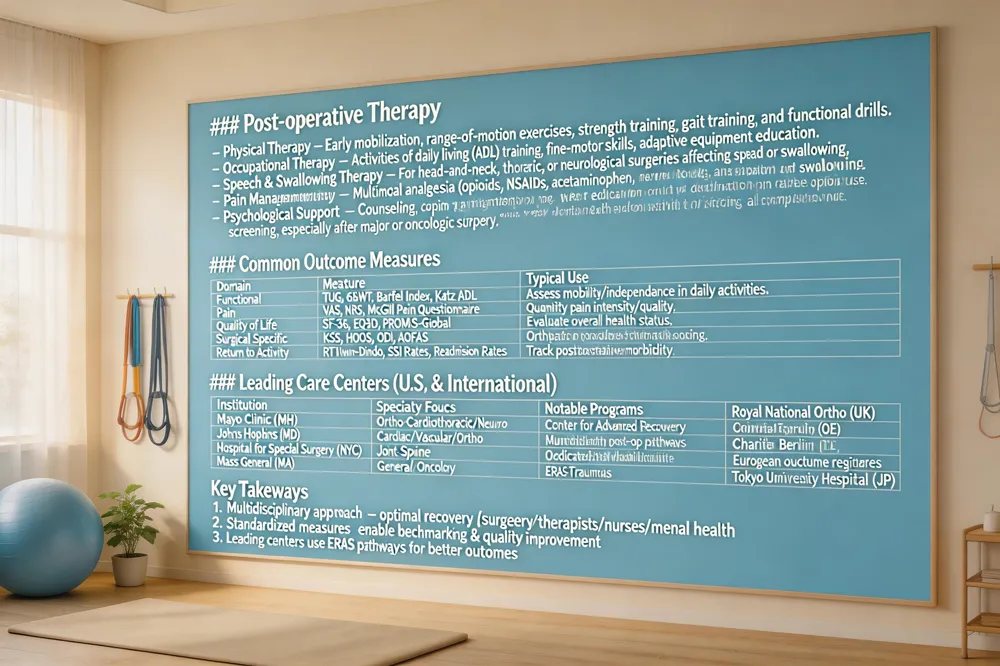 Post‑operative hand therapy for children with congenital hand deformities begins within the first week after surgery and combines splinting, gentle range‑of‑motion exercises, scar‑management techniques, and play‑based functional training. Age‑appropriate splint protocols protect repairs while allowing controlled motion, and occupational therapists focus on fine‑motor skill development to restore grip strength and dexterity. Outcome measures such as the Pediatric Outcomes Data Collection Instrument (PODCI) and the child‑adapted Disabilities of the Arm, Shoulder and Hand (DASH) questionnaire provide objective data on functional improvement, pain, and participation in daily activities, guiding rehabilitation adjustments. When structural loss is extensive or surgery is not feasible, custom prosthetic devices and adaptive hand tools offer both cosmetic appearance and functional assistance, enabling tasks such as feeding, writing, and self‑care. The top orthopedic hospital in the United States is Hospital for Special Surgery (HSS) in New York City, consistently ranked No. 1 by U.S. News & World Report for its pioneering pediatric hand program, multidisciplinary teams, advanced microsurgical techniques, and comprehensive post‑operative rehabilitation services. Families seeking world‑class care should prioritize early referral to a pediatric hand specialist, engage in coordinated therapy plans, and consider centers like HSS for the highest standards of surgical expertise and functional outcomes.
Convenient Access and Patient‑Centric Resources
 Families seeking care for congenital hand differences can quickly connect with pediatric hand specialists through multiple convenient channels. Both Dr. Rebecca S. Yu’s Berkeley practice and the Children’s National Hand Program provide easy‑to‑use online appointment‑booking forms on their websites, and direct phone lines (e.g., 1‑888‑884‑2327 for appointments at Children’s National and 202‑476‑2150 for general information) ensure prompt scheduling. Patient testimonials on these sites highlight compassionate care and successful outcomes, reinforcing confidence for new families. For those living far from a specialty center, telemedicine consultations have been expanded at institutions such as NYU Langone, UCLA Health, and Hospital for Special Surgery, allowing remote evaluation, counseling, and follow‑up without extensive travel. Educational resources—including condition‑specific fact sheets, videos on splinting and therapy, and guidance on genetic counseling—are freely available on each program’s portal, empowering parents with the knowledge needed to make informed decisions and support their child’s developmental milestones.
Putting It All Together for Your Child’s Hand Health
Early diagnosis of congenital hand differences—often made at birth by physical exam and confirmed with X‑ray, ultrasound or genetic testing—allows the team to design a treatment plan that matches the child’s age, anatomy and functional goals. Most programs recommend evaluation before 12 months and, when surgery is needed, intervention between 6 months and 2 years to protect growth plates and exploit neuroplasticity. A dedicated pediatric hand team—orthopedic hand surgeons, occupational and physical therapists, pediatric anesthesiologists, genetic counselors and hand‑life specialists—provides coordinated care that reduces scar contracture, preserves motion and supports psychosocial development. Long‑term monitoring through adolescence tracks growth‑related changes, identifies secondary deformities and schedules secondary procedures such as tendon transfers or bone lengthening if needed. Dr. Rebecca S. Yu’s Berkeley practice exemplifies this model: board‑certified, fellowship‑trained in pediatric hand surgery, she works with a multidisciplinary team, uses growth‑plate‑sparing techniques, 3‑D planning and microsurgical reconstruction, and initiates hand therapy within the first postoperative week. Her clinic offers early evaluation, customized splinting, and seamless transition to adult care, ensuring each child receives the comprehensive, growth‑aware treatment essential for optimal hand function and quality of life.