Playground Fun Without the Fractures
Playgrounds are a cherished part of childhood, but the statistics around playground injuries are sobering. Each year, more than 200,000 children in the United States are treated in emergency rooms for injuries related to playground equipment, according to the Consumer Product Safety Commission.
A significant number of these injuries involve the upper extremities. Falls from monkey bars and climbing structures frequently result in broken bones in the forearm, wrist, and elbow when a child instinctively reaches out to catch themselves. The Children's Hospital of Philadelphia notes that fractures account for about 10% of all playground-related injuries, with many affecting the hand or wrist.
A pediatric hand surgeon like Dr. Rebecca S. Yu can help families understand how these specific injuries occur — and more importantly, how to prevent them. The goal is not to keep children off the playground, but to ensure the time they spend there is as safe as it is fun.
Common Causes and Injuries
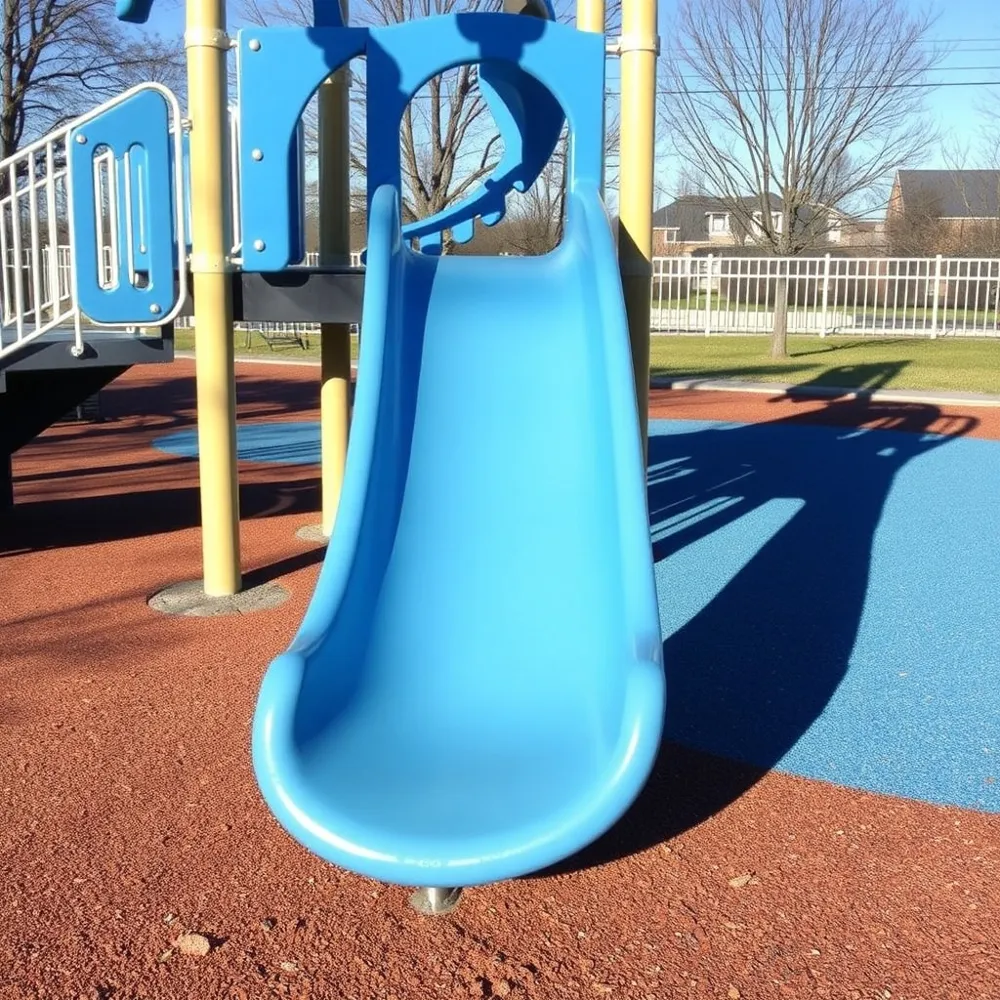 Each year, more than 200,000 children in the U.S. are treated in emergency departments for playground-related injuries, according to the Consumer Product Safety Commission. Falls account for nearly 80% of these incidents, often from monkey bars, slides, and swings.
Falls. When a child falls from equipment like monkey bars, they instinctively reach out an arm to break the fall, frequently resulting in fractures of the wrist, forearm, or elbow.
Equipment-related incidents. About 23% of injuries involve broken equipment, pinch points, or tip-overs. Common hazards include open S-hooks on swings and protruding bolts that can catch clothing.
Children under 10 are especially prone to greenstick fractures — an incomplete break on one side of the bone, similar to a bent young tree branch. Because their bones are softer and more flexible than adult bones, falls that might cause a sprain in an adult can produce this type of fracture in a child.
Johns Hopkins Medicine notes that younger children lack the upper body strength to safely navigate overhead equipment. A fall from monkey bars onto an outstretched hand is one of the most common mechanisms for forearm and elbow breaks.
National Safety Standards
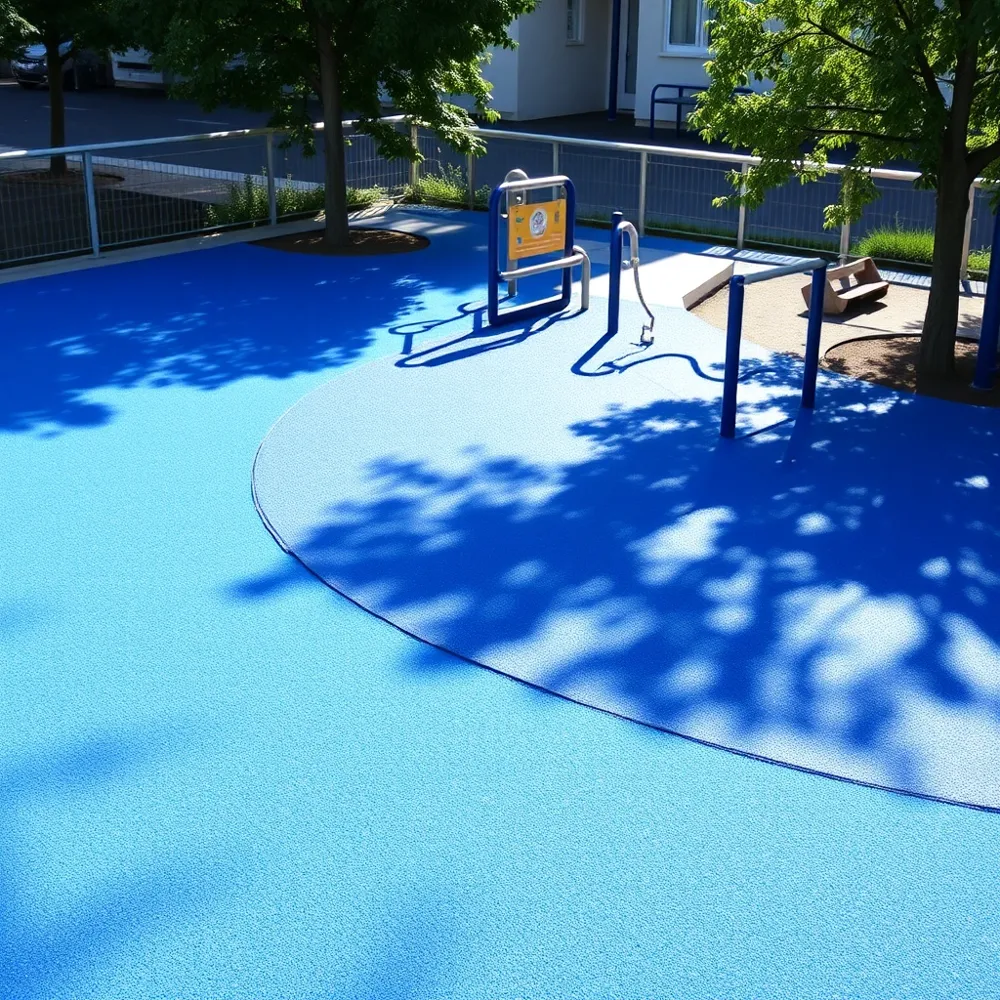 The U.S. Consumer Product Safety Commission (CPSC) publishes the Public Playground Safety Handbook, which provides detailed guidelines to reduce the nearly 200,000 playground-related injuries treated in emergency rooms each year. The handbook addresses equipment design, layout, surfacing, and maintenance to prevent falls, the most common injury cause.
Alongside the CPSC handbook, ASTM F1487 sets performance requirements for public playground equipment used by children ages 2 to 12. This standard specifies tests for head entrapment, protrusions, sharp edges, and structural integrity. Together, these voluntary standards have been widely adopted into state and local building codes.
Key Requirements for Safer Playgrounds
Protective Surfacing. Falls to the surface account for about 70% of injuries. The CPSC recommends a minimum of 12 inches of loose-fill material (wood chips, mulch, sand, pea gravel) or safety-tested rubber mats under and around equipment. This surfacing must extend at least 6 feet in all directions from stationary equipment, and twice the height of the suspending bar in front of and behind swings.
Age-Appropriate Equipment. Separate areas should be designated for children ages 6–23 months, 2–5 years, and 5–12 years. For toddlers, climbing structures should be under 32 inches high; preschool-age children can use step ladders and small slides; school-age children may use overhead rings higher climbing bars.
Guardrails and Barriers. Play structures more than 30 inches high require guardrails or barriers on elevated platforms and ramps to prevent falls. Guardrails must have a top edge at least 29 inches high for preschool equipment and at least 38 inches for school-age equipment.
Entrapment & Protrusions. "S" hooks must be closed to form a figure eight with a gap no greater than the thickness of a dime. Openings between rails or rungs that can trap a child's head must be less than 3.5 inches or more than 9 inches wide (the narrow range is safest). All bolts should expose no more than two threads beyond the nut.
Prevention Through Design and Supervision
Nearly 80% of playground injuries result from falls, many of which lead to the hand and arm fractures that pediatric orthopedic surgeons treat regularly. The most effective countermeasure is consistent adult supervision. Researchers link lack of supervision to roughly 40% of playground injuries, making an attentive caregiver the single best safety tool.
Age-Appropriate Equipment Reduces Risk
The U.S. Consumer Product Safety Commission advises matching equipment to a child's developmental stage. Toddlers (ages 2-5) should use low climbing structures and slides under five feet high, while school-age children (5-12) can handle overhead rings, arch climbers, and climbing bars up to eight feet. Using age-appropriate equipment helps prevent the overreach and loss of grip that often cause wrist fractures.
Daily Safety Checks for Child Care Centers
Child care centers should perform daily visual inspections for broken hardware, loose bolts, rusted surfaces, displaced surfacing material, and tripping hazards like exposed concrete footings or tree stumps. A periodic inspection by a Certified Playground Safety Inspector helps confirm compliance with CPSC standards. Protective surfacing at least 12 inches deep must extend six feet in all directions around stationary equipment — double that distance in front of and behind swings.
Teaching Children Safe Grip and Climbing Techniques
Monkey bars are notoriously dangerous: younger children lack upper body strength, often slip, and instinctively land on an outstretched hand that can fracture the forearm or elbow. Teach children to maintain a two-handed grip at all times on climbing apparatus, climb down rather than jump off equipment, and keep their weight centered over their feet on elevated platforms.
“Low Risk” Activity Choices That Protect Little Hands
Slides and swings are statistically safer than monkey bars or rock walls. Swings should have soft rubber or plastic seats with S-hooks closed into a figure-8 shape; slides need a platform with guardrails at top and a clear exit zone twice the height of the slide platform in length. A structured choice toward these activities measurably reduces hand and upper extremity injuries.
Slide Safety and Daily Checks
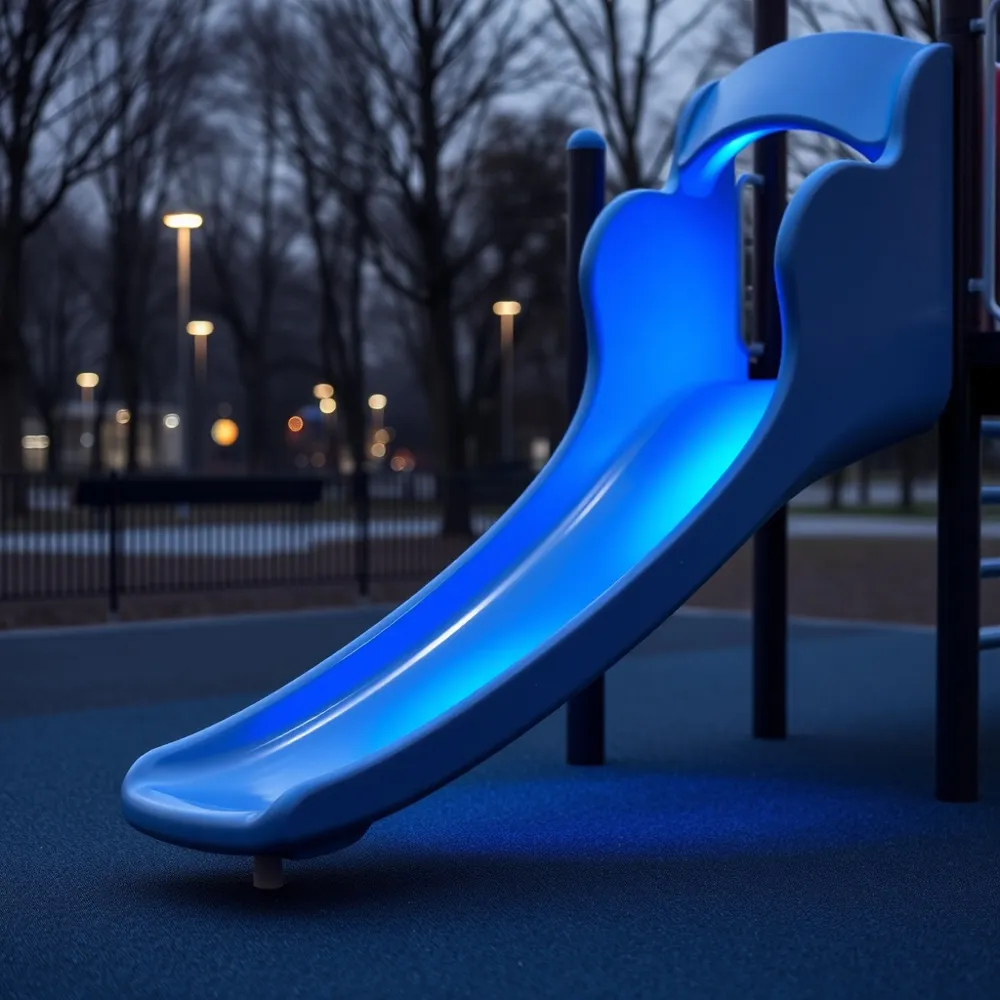 Slides are a favorite piece of playground equipment, but improper use sends many children to the emergency room each year. The most critical rule is to always slide feet first, one child at a time. Pushing, climbing up the slide, or going head first increases the risk of hitting the head or landing on an outstretched hand — a common cause of wrist and forearm fractures.
One of the most dangerous practices is riding down the slide with a child on your lap. An adult's greater weight drives both bodies forward, and the child's leg or foot can catch on the edge of the slide. This twisting force often causes a spiral fracture of the tibia, known as a toddler fracture. To avoid this injury, let children ride down alone with legs straight and away from the sides.
Before each use, check that the slide surface is not too hot. Bare metal or dark plastic can burn small hands in direct sunlight; look for shaded slides or test with the back of your hand first. The landing area must be clear of rocks, glass, sticks, toys, or standing water.
A Simple Daily Safety Checklist
The CPSC Public Playground Safety Handbook recommends daily inspections before children play. Every adult who supervises a playground should run through these items:
- [Surfacing depth and integrity.] Loose-fill materials (wood chips, pea gravel) should be at least 12 inches deep and evenly distributed — displaced surfacing under slides and swings offers no cushion.
- [Equipment condition.] Look for sharp edges, protruding bolts (bolts exposing more than two threads), rusted parts, cracked plastic, splintered wood, or loose swings that could pinch fingers or catch clothing.
- [Fall‑zone clearance.] Remove tripping hazards such as exposed concrete footings, rocks, tree stumps, toys, trash bags — anything in the 6-foot safety zone around stationary equipment.
- [Hardware checks.] Open S-hooks must be closed to form a figure 8 (gap no larger than 0.04 inches). Guardrails should be secure; openings between rails must be smaller than 3.5 inches or larger than 9 inches to prevent entrapment.
- [Sun and weather hazards.] On hot days note whether metal surfaces are too hot to touch; on wet days check for slippery surfaces; shade structures reduce burn risk from sun-exposed slides.
When Injuries Happen: Treatment and Recovery
Despite the best prevention efforts, playground injuries do happen. Knowing how to respond in the first minutes after an accident can significantly improve outcomes for a child's hand or arm.
Signs That Warrant Emergency Care
Playground injuries send more than 200,000 children to U.S. emergency departments each year. Certain signs demand immediate medical attention: a bone visible through the skin, uncontrolled bleeding, the child unable to wiggle fingers or toes, or severe pain that does not subside. Head injuries — marked by dizziness, nausea, or loss of consciousness — also require an urgent evaluation.
First Aid for Common Playground Injuries
Cleveland Clinic recommends pressing firmly on a cut until bleeding stops (usually within a few minutes), then rinsing gently with warm soapy water — avoid hydrogen peroxide or rubbing alcohol because they slow healing. Apply antibiotic ointment and cover with a bandage until a scab forms; covered wounds heal up to 40 percent faster.
How To Treat 12 Common Playground Injuries For suspected sprains and fractures, follow the RICE method: Rest, Ice (20-minute cycles wrapped in a towel), Compression (elastic bandage not too tight), and Elevation. A cracking sound at the time of injury, noticeable deformity, or constant severe pain strongly suggests a fracture rather than a simple sprain.
When to See a Hand Surgeon
Tips for Keeping Your Kids Safe from Hand and Arm Injuries this ... Most hand and arm injuries can be treated at home initially, but certain conditions require evaluation by an orthopedic hand surgeon: open wounds near joints, dislocations that do not reduce easily after gentle traction, jammed fingers that remain swollen after several days of home care, and any loss of motion in the wrist or fingers. Prompt evaluation reduces the risk of permanent damage.
Empowering Parents to Keep Little Hands Safe
Active supervision, age-appropriate equipment, and proper surfacing form the foundation of playground injury prevention. Falls from monkey bars remain the leading cause of hand and arm fractures in children, but these injuries are largely avoidable with consistent safety habits.
When an injury does occur, prompt evaluation by a specialist can make the difference in long-term recovery. Most fractures heal well with casting, but displaced breaks may require reduction or surgery to protect growing bones. A pediatric hand surgeon can assess growth plate involvement and guide treatment.
Parents who inspect equipment before play, teach children to slide feet-first and swing seated, and choose playgrounds with at least 12 inches of impact-absorbing surfacing reduce the risk of emergency visits significantly. Dr. Rebecca S. Yu offers expert evaluation for hand, wrist, and elbow injuries in Berkeley — schedule a consultation if your child's symptoms persist after a fall.