Why Wearables Matter in Hand Rehabilitation
Wearable sensors such as inertial measurement units, smart gloves, and pressure‑sensing bands provide objective, quantitative data on finger flexion, extension, grip strength, and joint angles. This precision surpasses subjective journal entries and matches laboratory‑grade motion capture when calibrated, allowing clinicians to track range of motion, speed, smoothness, and compensatory patterns in time. Immediate visual or haptic feedback from the devices boosts patient engagement, turning repetitive exercises into gamified tasks that increase adherence and motivation. Because data are streamed securely to cloud platforms or mobile apps, therapists and surgeons can monitor progress remotely, detect plateaus or complications early, and adjust therapy without requiring in‑clinic visits.
Wearable Sensors and Their Clinical Impact
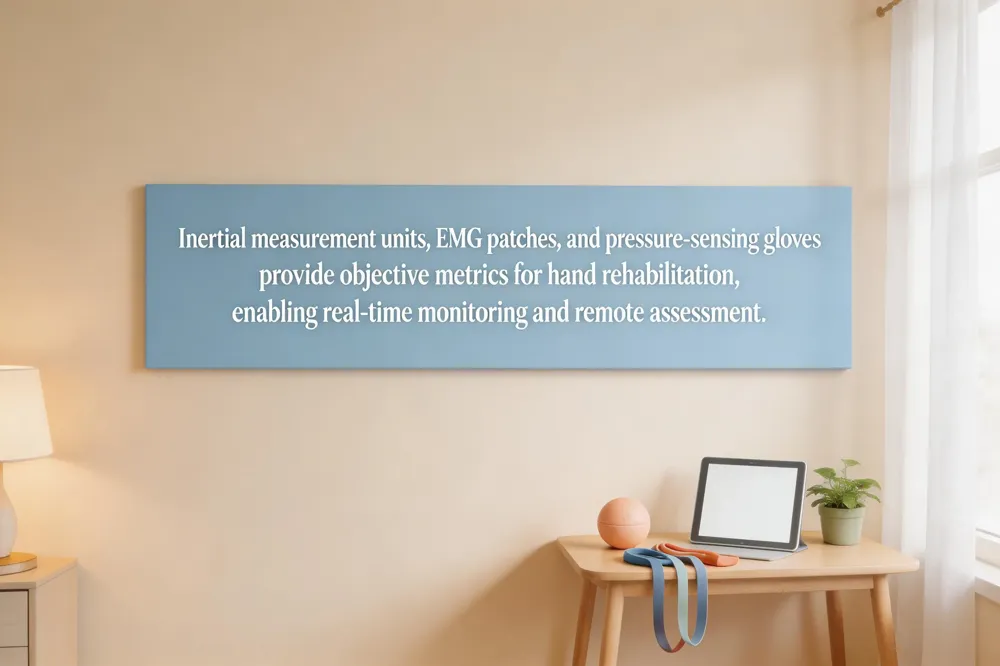 Wearable sensors such as inertial measurement units (IMUs), EMG patches, and pressure‑sensing gloves are reshaping hand rehabilitation. IMUs capture joint angles and movement smoothness with laboratory‑grade accuracy, enabling therapists to quantify range of motion, speed, and compensatory patterns in real time. EMG patches record muscle activation, helping differentiate voluntary from spastic activity and guiding intensity adjustments. Pressure‑sensing gloves provide objective grip‑force data, turning subjective effort into measurable metrics. All sensor streams can be integrated into tele‑rehab platforms, where secure cloud storage transmits daily trends to surgeons like Dr. Rebecca S. Yu for remote assessment and early intervention.
Hand rehabilitation device: A wearable therapeutic tool—e.g., robotic gloves like the SaeboC12 or soft‑inflatable Imago Rehab glove—assists patients in regaining strength, range of motion, and fine‑motor control, pairing sensor data with tele‑rehab for personalized, at‑home therapy.
Wearable sensors for rehabilitation: By capturing precise joint angles, muscle activity, and grip force, these sensors allow objective tracking, early detection of maladaptive patterns, and data‑driven therapy adjustments, reducing clinic visits and accelerating functional recovery.
Wearable devices: Small, sensor‑filled gadgets continuously monitor movement, muscle signals, and vital signs, providing real‑time feedback that improves adherence, detects complications early, and supports personalized treatment plans.
Hand Rehabilitation Glove: Therapeutic gloves deliver adjustable low‑force assistance to fingers and wrist, promoting repetitive grasp‑and‑release exercises that stimulate cortical plasticity and prevent stiffness, thereby accelerating functional recovery in postoperative hand patients.
Optimizing Physical Therapy with Technology
 Wearable technology in physiotherapy – Wearable devices such as smartwatches, IMU‑enabled gloves, and pressure‑sensing bands continuously record hand range of motion, grip force, and wrist angles. Real‑time data are synced to secure cloud platforms, allowing therapists to monitor progress between visits and adjust prescriptions promptly. Integrated visual or haptic feedback, gamified goals, and nudges keep patients engaged and improve adherence, especially after hand surgery. Dr. Rebecca S. Yu can leverage these objective metrics to personalize postoperative protocols and reduce in‑person visits.
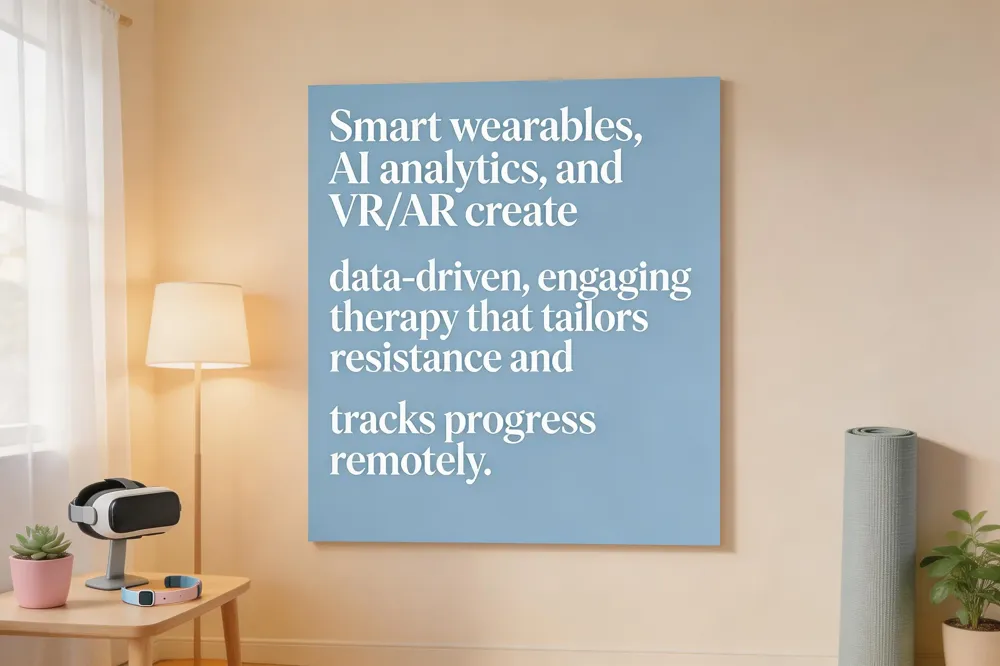
Technology in physical therapy – Smart wearables provide precise kinematic and biometric data that feed tele‑rehabilitation platforms for remote video sessions and home‑exercise monitoring. AI‑driven analytics identify compensatory patterns, predict recovery trajectories, and suggest individualized resistance levels. Virtual‑reality and augmented‑reality environments create immersive, task‑specific drills that accelerate motor relearning while maintaining patient motivation.
High tech physical therapy – In Dr. Yu’s clinic, 3‑D biomechanical analysis combines with sensor‑guided exercises that adapt resistance in real time. Robotic exoskeletons and neuromuscular electrical stimulation complement wearable feedback, shortening scar formation and improving tendon gliding after repairs.
Innovations in physical therapy – Cloud‑based EMR integration, AI‑powered rehab apps, and telehealth platforms enable seamless communication between surgeon and therapist, delivering personalized, data‑driven care that enhances functional outcomes.
Do hand rehabilitation gloves work? – Soft‑robotic gloves and mirror‑therapy interventions have shown superior improvements in hand dexterity for stroke survivors, with robotic‑glove users achieving greater gains than mirror‑therapy alone.
Monitoring Progress and Ensuring Safety
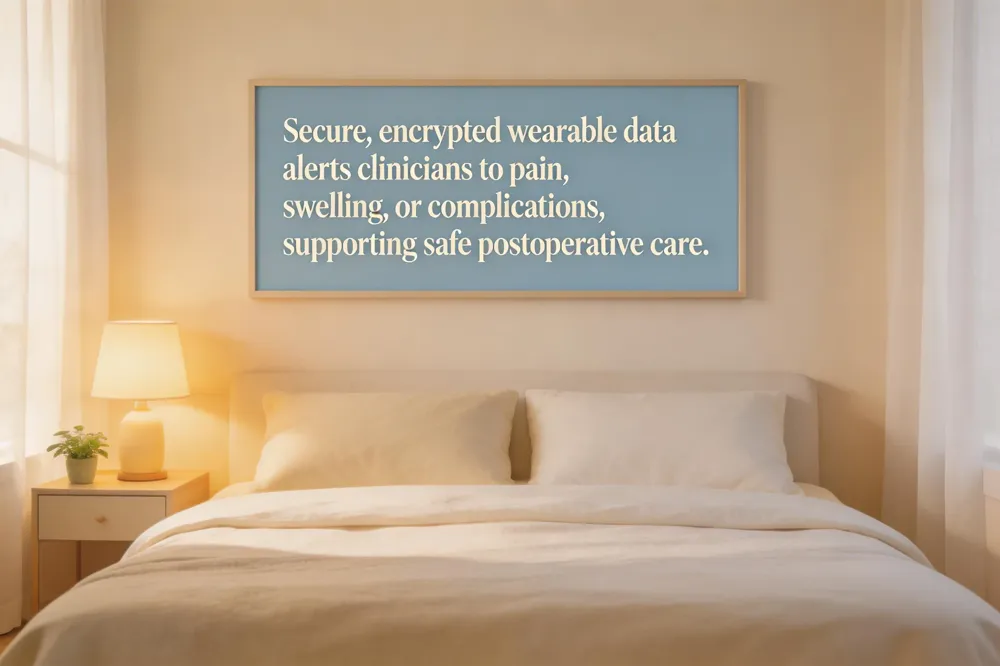 A major drawback of wearable technology is privacy risk; continuous collection of motion, heart‑rate, and location data can expose sensitive health information if encryption or transmission safeguards fail. To mitigate this, all wearable data should be encrypted end‑to‑end and transmitted over HIPAA‑compliant channels, meeting FDA 510(k) safety standards and ensuring that only authorized clinicians can view the information.
Post‑operative monitoring focuses on pain, swelling, wound appearance, and early mobility (range of motion, grip strength). Wearables can capture heart‑rate, activity, and local temperature, flagging complications before the next clinic visit.
Patients must avoid bumping the hand, keeping dressings dry, and ignoring signs of infection or neurovascular compromise. Loose, easy‑to‑remove clothing, no jewelry, and a clean, dry surgical site are essential for a safe hand‑surgery experience.
Assistive Devices and Recovery Timelines
 Recovery time varies by tissue type and injury severity. Soft‑tissue injuries (sprains, strains, minor tendon damage) typically heal in 2‑4 weeks, whereas more extensive soft‑tissue trauma may require 6‑8 weeks or longer. Wrist or hand fractures (e.g., distal radius) need about 4 weeks of immobilization, followed by a rehabilitation phase that often extends to 8‑12 weeks before full strength and function return. If pain, swelling, or limited motion persist beyond these windows, a follow‑up with a hand specialist is advised.
Hand therapy after surgery generally lasts 4‑6 weeks for minor procedures such as carpal tunnel release, 6‑12 weeks for moderate tendon or ligament repairs, and 8 weeks up to 6 months for complex cases like fracture fixation or joint replacement. Early phases focus on pain and swelling control, progressing to range‑of‑motion, scar‑tissue management, and finally strengthening. Most patients can resume light work within 6‑14 weeks, but full functional recovery may take several months for extensive surgeries.
After a trapeziectomy, if a supplemental tendon sling is used, a plaster cast is typically worn for six weeks to stabilize the thumb base and support internal stitches.
Patient Engagement and Post‑Operative Care
 Effective recovery after hand surgery begins with a clear focus on resting the hand during the first few days, keeping it elevated above heart level to reduce swelling and pain. Early home exercise adherence is essential; setting small, measurable goals and logging pain, stiffness, and functional abilities helps patients stay motivated. Wearable‑guided motivation, such as smart gloves, IMUs, or consumer‑grade fitness trackers, provides objective, real‑time feedback on range of motion, grip strength, and usage frequency, turning subjective journal entries into visual trends that patients can share with their surgeon (e.g., Dr. Rebecca S. Yu) and therapist. This data‑driven feedback, often gamified, improves adherence by up to 30 % and allows clinicians to detect early signs of non‑compliance or complications, prompting timely interventions. Pain and swelling control are reinforced by elevation, gentle shoulder‑elbow motion, and appropriate analgesics, while wearable devices can monitor activity levels and flag deviations that may indicate increased discomfort. Comprehensive patient education—delivered through wearable apps, video modules, and in‑clinic instruction—teaches proper hand positioning, exercise techniques, and the importance of consistent wearablesuse, empowering patients to take an active role in their rehabilitation.
Future Directions and Emerging Technologies

Soft‑Robotic Gloves
Wearable soft‑robotic gloves, such as the Imago Rehab and NeoMano devices, use inflatable textile chambers and lightweight servos to provide low‑pressure finger stretching and assisted opposition, allowing at‑home therapy with real‑time sensor feedback.
AI‑Driven Analytics
Machine‑learning algorithms applied to IMU and actigraphy streams can predict recovery trajectories, flag compensatory patterns, and personalize exercise prescriptions, as demonstrated in NIH‑funded studies and IEEE Pulse reports.
AR/VR Rehabilitation
Integrating motion‑tracking IMUs with AR/VR environments creates immersive, task‑specific training that enhances motor learning and patient engagement, a trend highlighted in recent U.S. rehabilitation research.
IoT and Cloud Integration
IoT‑enabled hand orthotics transmit position, current, and grip data via Bluetooth to cloud platforms (MQTT/HTTPS), enabling secure, HIPAA‑compliant remote monitoring, therapist‑adjusted protocols, and large‑scale outcome analytics.
Bringing Data‑Driven Care to Every Hand Patient
Smart wearables such as IMUs, pressure‑sensing gloves and smartwatches capture finger angles, grip force and activity patterns. By syncing this objective data to a secure cloud, clinicians can tailor each exercise set to the patient’s current range of motion and strength, creating a personalized therapy plan. Real‑time transmission enables remote monitoring, so surgeons like Dr. Rebecca S. Yu can spot early signs of stiffness or non‑compliance and adjust protocols without an in‑person visit. Studies repeatedly show that data‑driven feedback improves adherence, accelerates functional recovery and leads to higher patient‑reported outcome scores across hand surgery populations.