Transforming Hand Trauma Diagnostics Through Portable Mobile Imaging
Modern orthopedic care for hand and upper extremity injuries is experiencing a marked transition from centralized hospital radiology to point-of-care mobile imaging. By utilizing portable imaging devices directly within the clinical environment, surgeons can bypass the logistical delays associated with transporting patients to diagnostic suites. For professionals like Dr. Rebecca S. Yu in Berkeley, CA, these advancements allow for immediate assessment of fracture alignment and ligament integrity during a routine office visit.
The integration of mini C-arm technology and compact fluoroscopy units simplifies the treatment algorithm by providing real-time radiographic feedback. This capability not only reduces patient transit time but also improves diagnostic accuracy for complex pediatric carpal injuries. Furthermore, Point of Care Ultrasound serves as a vital, radiation-free tool for evaluating soft tissue lacerations or localizing radiolucent foreign bodies.
These tools enhance workflow efficiency and treatment speed by enabling clinicians to finalize care plans without external referrals. As hand surgery moves toward more agile, office-based diagnostics, the adoption of high-resolution mobile imaging ensures that patient comfort and precise surgical outcomes remain the top priority.
Essential Radiological Techniques and Point of Care Diagnostics
 Orthopedic practice relies on a standard suite of imaging to map complex trauma. X-rays remain the primary tool for initial bony evaluations, while CT scans provide high-resolution, three-dimensional datasets for complex fractures. For soft tissue concerns like ligament integrity, MRI remains the gold standard for diagnostic breadth, even as portable alternatives emerge.
What are point-of-care (POC) diagnostic devices?
Point-of-care (POC) diagnostic devices are mobile tools designed to deliver immediate clinical information at the patient's bedside. Unlike centralized radiology suites that require patient transport and scheduling, these systems enable real-time visualization and decision-making. Technologies such as portable fluoroscopy and handled Point of Care Ultrasound (POCUS) allow surgeons to assess injuries without radiation-heavy traditional imaging setups.
The integration of these devices helps streamline the clinical workflow, a necessity for specialty care environments. For instance, Dr. Rebecca S. Yu utilizes specialized diagnostic approaches that allow for rapid evaluation of hand and upper extremity injuries. This shift toward mobile diagnostics reduces the need for patient transfers and minimizes the waiting periods associated with conventional imaging technicians. By providing immediate answers, these platforms assist in determining whether a patient requires surgery or can be managed with conservative, office-based treatments.
| Technique | Clinical Goal | Key Advantage |
|---|---|---|
| X-ray | Bone evaluation | Cost-effective |
| CBCT | 3D bone detail | Implant accuracy |
| POCUS | Soft tissue | Radiation-free |
Real-Time Visualization with C-arm Technology
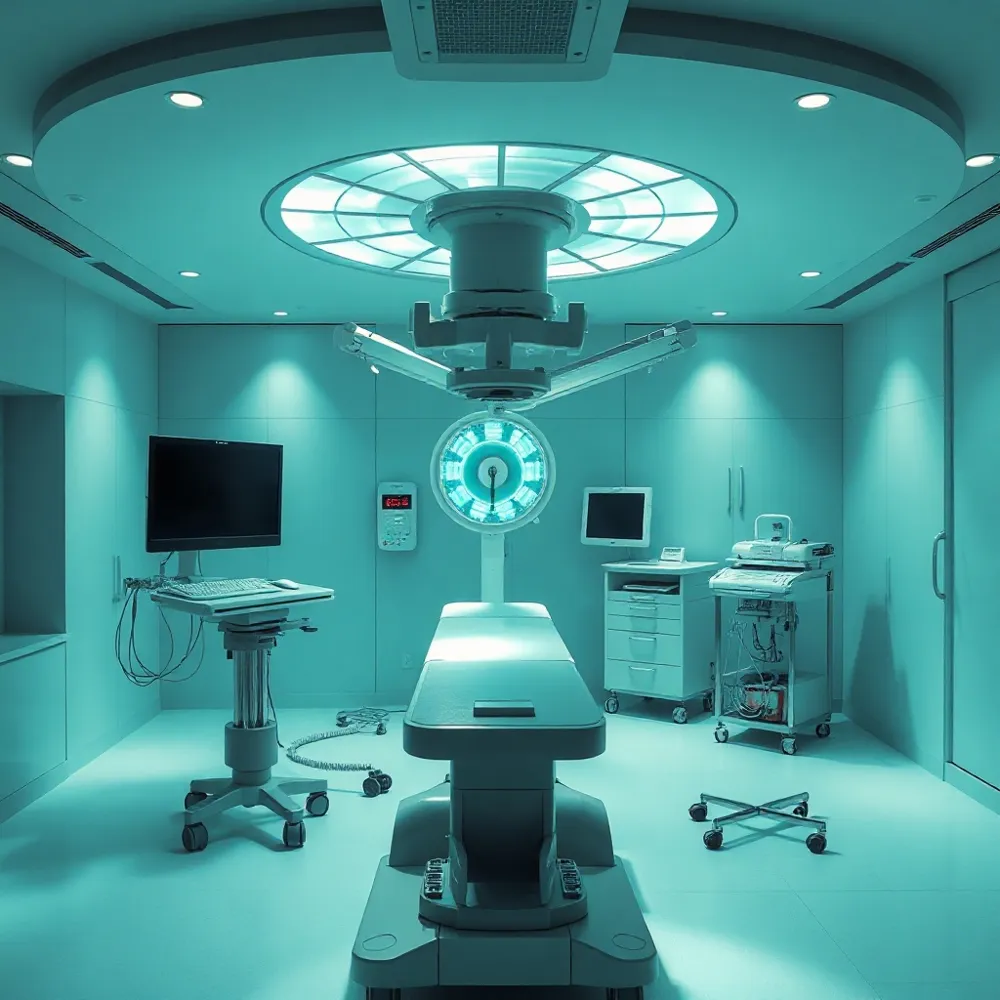 A C-arm is a specialized radiographic imaging device named for its C-shaped arm that connects an X-ray source and detector, allowing it to maneuver around a patient to capture real-time, high-resolution images from multiple angles without the need for patient repositioning. In orthopedic surgery, this technology is indispensable for providing precise anatomical detail during complex procedures. It enables surgeons to guide instruments accurately, assist in the proper placement of implants, and perform minimally invasive interventions. Furthermore, the device supports superior surgical planning by allowing doctors to utilize measurement tools and digital annotations directly on the images, which ultimately helps improve patient outcomes and reduces surgical morbidity.
Advancements in mobile imaging have moved beyond heavy traditional equipment. Modern mobile flat-panel detectors provide an increased workspace for the surgeon, offering a wider dynamic range and higher spatial resolution than older image intensifiers. Innovations like cone-beam CT now allow for intra-operative 3D datasets, which help ensure precise fracture reduction and implant positioning. Portable mini C-arm devices offer similar real-time radiographic assessment in outpatient clinics, bypassing the need for traditional operating room scheduling.
For board-certified specialists like Dr. Rebecca S. Yu, this technology transforms hand and wrist care. Unlike large-scale hospital suites that require patient transport, portable mini C-arms allow for faster decision-making and immediate verification of hardware placement during surgery. These compact units are particularly effective for performing closed reductions or removing foreign bodies with smaller incisions and reduced radiation exposure. By integrating these tools into the office environment, surgeons provide more efficient, patient-centered care that reduces treatment wait times.
Point-of-Care Ultrasound for Soft Tissue Assessment
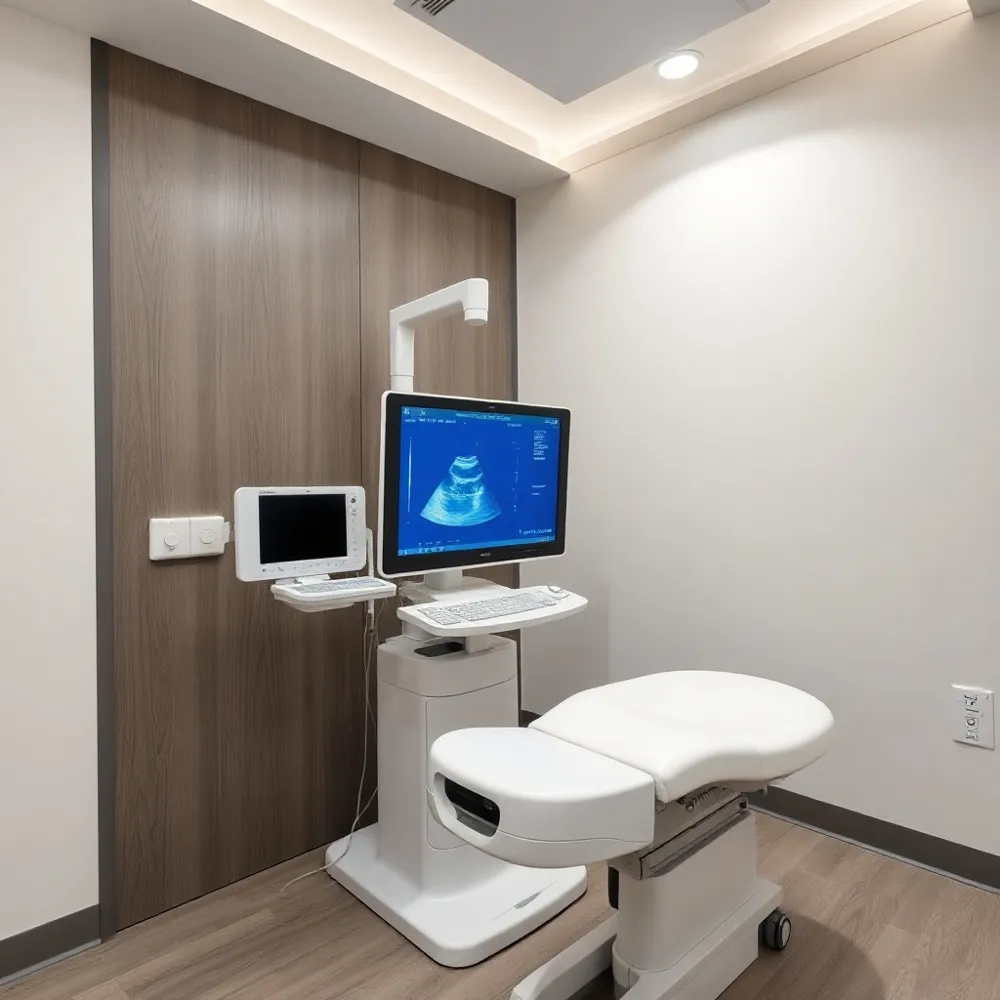 The Point of Care Ultrasound (POCUS) modality serves as a non-invasive, radiation-free diagnostic extension of the physical exam, providing real-time visualization critical for soft tissue assessment. While centralized radiology suites are often required for complex bone fractures, POCUS allows clinicians to immediately investigate tendon lacerations, joint effusions, and ligamentous injuries directly at the bedside.
What is the role of ultrasound in evaluating hand and wrist conditions?
In the hands of an experienced clinician, POCUS provides high-resolution imaging of the musculoskeletal system, aiding in the diagnosis of nerve compression syndromes like carpal tunnel and tendinopathies like de Quervain tenosynovitis. Per the Journal of Hand Surgery, this technology is highly effective for localizing radiolucent foreign bodies, such as wood or plastic, that remain invisible under standard X-ray. At sites like rebeccasyumd.com, practitioners integrate these real-time tools to bypass the delays of formal radiology, directly improving diagnostic accuracy for subtle soft tissue pathology.
How is point-of-care ultrasound (POCUS) used in trauma assessments?
For acute trauma, POCUS offers immediate triage capabilities without the logistical burden of patient transport. A common challenge in scanning fingers or toes is the geometry of the anatomy, which this specialized guidance addresses through the water bath technique. By immersing the injured digit in a lukewarm water bath, surgeons can achieve improved visualization of superficial structures without applying direct pressure through the transducer. This method enhances diagnostic sensitivity while significantly reducing patient discomfort.
- Enhanced procedure precision for corticosteroid injections in trigger finger cases.
- Superior motor and sensory outcomes for forearm regional nerve blocks compared to traditional landmark-based approaches.
- Confirmation of soft tissue collections and guidance for targeted drainage in cases of suspected abscess or pyogenic tenosynovitis.
- Increased diagnostic confidence for radiologists and surgeons alike when documentation is archived directly in the electronic medical record for future audit or continuity.
Efficiency and Artificial Intelligence in Emergency Trauma Response
Rapid imaging is a decisive factor in trauma care, serving as the essential foundation for immediate medical decision-making. By providing high-quality insights into complex skeletal and soft-tissue injuries, clinicians can bypass administrative delays, directly improving patient treatment paths. For specialists such as Dr. Rebecca S. Yu, whose practice on rebeccasyumd.com emphasizes precision in hand and upper extremity recovery, this speed is vital for stabilizing acute injuries.
Why is rapid imaging so critical in trauma care?
Traditional radiology departments often create transport bottlenecks that jeopardize patient stability. Portable imaging devices, such as hand-held mini C-arm units, allow for real-time radiographic assessment directly at the point of care PMC5994635. Unlike waiting for centralized equipment access, these tools enable surgeons to perform immediate fracture verification, which can simplify the treatment algorithm and facilitate faster healing Hospital News.
What role does artificial intelligence play in modern diagnostic imaging?
Artificial intelligence acts as a sophisticated decision-support tool, using algorithms to isolate specific bone or soft tissue structures through image segmentation PeekMed. By identifying subtle abnormalities that may elude the human eye, these systems augment clinical judgment rather than replace it Diagnostic Imaging. Furthermore, new spectral imaging technologies now generate conventional, bone-selective, and soft-tissue images from one exposure, maintaining standard radiation doses while enhancing diagnostic clarity for complex trauma patients KA Imaging.
- Use lead aprons, thyroid collars, and real-time dosimeters to monitor staff exposure PMC5994635.
- Implement dedicated credentialing and quality assurance protocols for all point-of-care equipment Diagnostic Imaging.
- Store all images and interpretations in secure electronic records to ensure continuity of care J Hand Surg.
Integrating Advanced Technology for Better Patient Outcomes
The adoption of point-of-care imaging represents a meaningful improvement for specialized practices. For board-certified surgeons like Dr. Rebecca S. Yu, these tools allow for immediate surgical assessment and precise fracture reduction in the office, effectively shifting the diagnostic process closer to the patient in Berkeley.
Achieving these outcomes requires a commitment to clinical rigor. As noted by the AIUM, formal training in anatomy and pathology identification remains foundational to accuracy. Practitioners must also implement institutional safety protocols, including radiation monitoring and documented quality assurance, to maintain high standards of patient care.
Modern technology continues to shorten the time between injury and intervention. By combining real-time visualization with a focus on non-invasive assessments like POCUS, surgeons are better equipped to deliver efficient, personalized trauma care. This evolution ensures that patients receive accurate, timely solutions tailored to their specific injury profiles.