
Understanding the Scar Concern
For many people considering carpal tunnel release, the question is not only whether surgery can ease numbness, tingling, or pain, but also what mark it may leave on the palm or wrist. The concern is understandable, especially when hand use is central to work and daily routines.
Less-invasive approaches use smaller incisions than traditional open release, but they still require an incision and a cut in the ligament to relieve pressure on the median nerve. A smaller opening may mean a smaller scar, but no approach can promise scar-free healing. Johns Hopkins Medicine’s overview of carpal tunnel release describes the procedure and its possible risks, including scar sensitivity.
This section explains what the release changes, when surgery may be considered, how the approaches differ, and what recovery can involve. At her Berkeley practice, Rebecca S. Yu, MD evaluates hand and wrist conditions and discusses treatment options with patients, including whether carpal tunnel release fits their symptoms and circumstances.
What Release Surgery Changes
 Carpal tunnel release treats pressure on the median nerve, rather than changing the nerve itself. The carpal tunnel is a narrow passage at the wrist, formed by the wrist bones and the transverse carpal ligament. The median nerve and finger-flexor tendons travel through it.
When pressure builds in this passage, it can cause numbness, tingling, pain, and reduced hand function, often on the thumb side. Symptoms may develop gradually, worsen over time, and affect both hands. Release surgery cuts the ligament that forms the tunnel’s roof, giving the nerve and tendons more room and often improving pain and function. Johns Hopkins Medicine explains carpal tunnel release.
The procedure is usually outpatient, and patients can generally go home the same day if there are no complications. Local anesthesia is typical, though general anesthesia may be used in some cases. The ligament can be released through an open incision or a smaller incision with endoscopic or ultrasound guidance.
Surgery may be considered when symptoms persist despite nonsurgical care, diagnostic testing supports the diagnosis, or severe compression is associated with weakening or shrinking hand or wrist muscles. Options tried first may include wrist splinting, over-the-counter pain medicine, physical therapy, workplace equipment changes, and steroid injections.
There is no single point at which it is automatically too late for surgery. However, prolonged nerve compression can make recovery take longer, and longstanding damage may limit how fully sensation or strength returns. Dr. Rebecca S. Yu, a board-certified orthopedic surgeon specializing in hand and upper-extremity care in Berkeley, can assess symptoms and discuss whether surgery or continued nonsurgical care fits the individual situation.
Comparing Incisions and Approaches
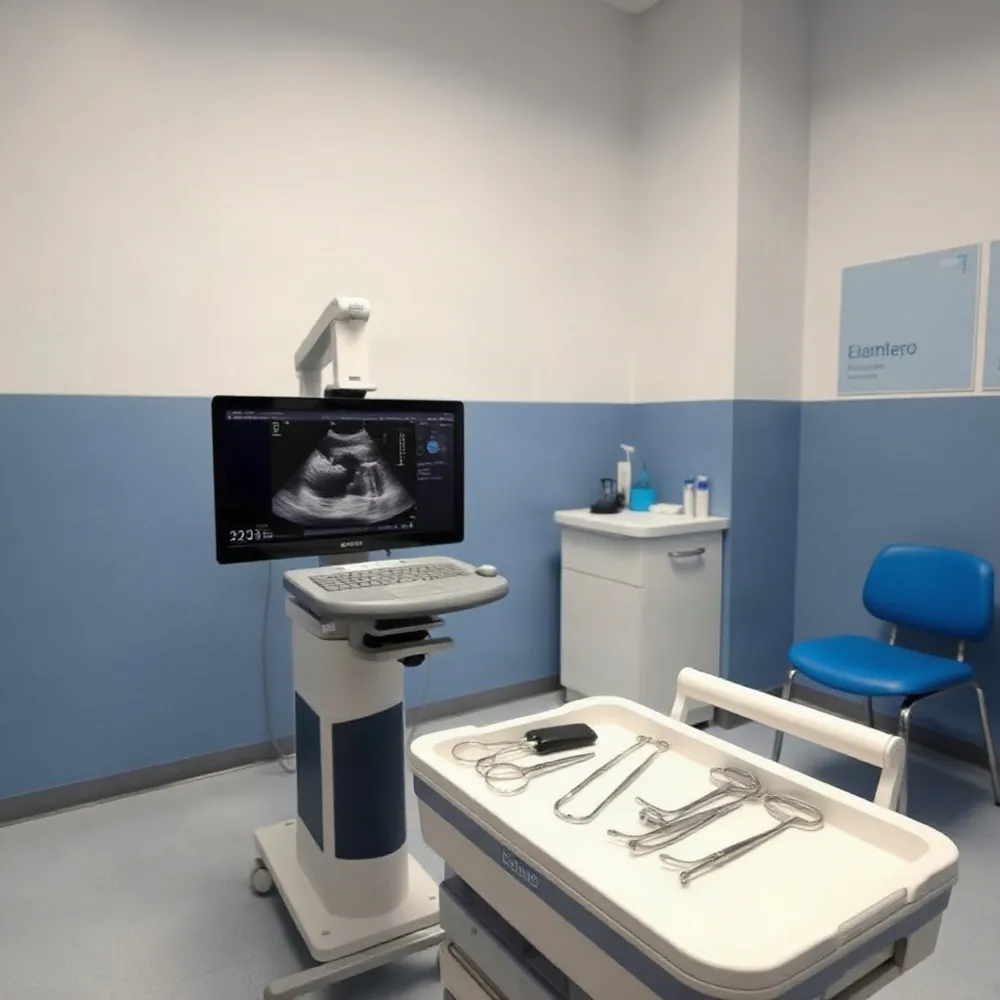 The main difference between open, endoscopic, and ultrasound-guided carpal tunnel release is how the surgeon reaches the ligament. All three approaches aim to relieve pressure on the median nerve by cutting the transverse carpal ligament.
In the open approach described by Johns Hopkins Medicine, the surgeon makes an incision of about 2 inches at the wrist. Endoscopic and ultrasound-guided approaches use a smaller incision of roughly half an inch, although incision details can vary with the specific technique.
Endoscopic release uses a camera attached to a thin, flexible tube to guide the instruments that cut the ligament. In ultrasound-guided release, ultrasound helps position a probe in the carpal tunnel near the median nerve. Neither approach avoids the ligament cut or the incision.
A smaller incision may leave a smaller scar than the larger incision used for open release, but it does not mean scar-free surgery. Scarring and scar sensitivity remain possible, and appearance varies from person to person. Rebecca S. Yu, MD's carpal tunnel treatment information describes release as a procedure to relieve pressure on the median nerve, not as a guarantee of a particular cosmetic result.
No approach is established as the right choice for everyone. Individual anatomy and symptoms, along with the treating surgeon’s experience, inform the decision. Each method also carries risks, including bleeding, infection, injury to the median nerve or nearby blood vessels, a sensitive scar, and possible additional surgery. Discuss the expected benefits and risks with your surgeon rather than assuming a smaller incision guarantees less pain or faster recovery.
Outcomes, Risks, and Pain
Carpal tunnel release usually improves pain and hand function by relieving pressure on the median nerve, but the degree and timing of improvement vary. Recovery may take longer when the nerve has been compressed for a long time, and the available evidence does not establish that endoscopic release produces better long-term outcomes than open release. Johns Hopkins Medicine describes the expected purpose and risks of the procedure.
There is no single success rate that applies to everyone. During a consultation, Dr. Rebecca S. Yu, MD, can assess the diagnosis and discuss realistic expectations, alternatives, and what may happen without surgery. The choice of approach should reflect the individual case, rather than an assumption that a smaller incision guarantees a better result.
Local anesthesia is typically used to numb the hand and wrist during surgery. Pain and some swelling are common afterward, and oral pain medicine is often used for discomfort. Elevating the hand above heart level while sleeping may help reduce swelling. The duration of postoperative pain varies, so follow the treating clinician’s care instructions.
Possible complications include bleeding, infection, injury to the median nerve or its branches, injury to nearby blood vessels, a sensitive scar, anesthesia-related risks, and the need for another operation. New or worsening symptoms should be discussed with the treating clinician, since the available sources do not identify a specific symptom list that confirms nerve injury.
Contact the healthcare provider about fever, redness, swelling, bleeding or drainage from the incision, or increasing pain around it. These signs may need medical attention.
A discussion with Dr. Yu should cover personal risk factors, expected results, nonsurgical alternatives, and the possible effects of not having surgery. The HSS overview of carpal tunnel surgery also outlines approach-specific considerations and recovery variability.
Recovery and Planning Ahead
 Recovery after carpal tunnel release differs from person to person. The hand and wrist are commonly protected with a splint or heavy bandage for 1 to 2 weeks, and gentle finger movement may be encouraged to help prevent stiffness. Follow the surgeon’s instructions for incision care and daily activity rather than assuming the same schedule applies to every technique. Johns Hopkins Medicine’s carpal tunnel release guidance describes typical postoperative care.
After the splint comes off, physical therapy may help restore hand and wrist motion and build strength. Some patients continue to use a splint or brace intermittently for about a month. Recovery can take anywhere from a few days to several months, and may be slower when the median nerve was compressed for a long time. Work duties may need to change temporarily, or time away from work may be necessary.
Ask the care team when to resume driving, work, and heavier tasks, since those decisions depend on the procedure, symptoms, and ability to use the hand safely. Dr. Rebecca S. Yu, MD, provides information about carpal tunnel syndrome treatment for patients considering their care options; personal instructions should come from the treating clinician.
Before surgery, disclose all medicines and supplements. Some medicines that affect clotting may need to be paused, but only under the provider’s direction. Smoking cessation may be advised, and any tests or fasting instructions depend on the individual. The available sources do not establish a dependable price range. Ask the care team for an itemized estimate, then check with the insurer about coverage and out-of-pocket costs.
A Personalized Surgical Decision
Smaller-incision approaches can mean a smaller wound than the roughly 2-inch incision described for open release, but they do not guarantee no scar or a particular recovery. As Johns Hopkins Medicine explains, each approach still involves cutting the ligament, and scar sensitivity is possible.
A qualified hand surgeon can weigh your symptoms and diagnostic findings alongside nonsurgical alternatives, approach-specific risks, expected recovery, and costs. Dr. Rebecca S. Yu, MD, provides information about carpal tunnel treatment in Berkeley; the right surgical plan depends on your individual circumstances and a discussion with your clinician.