
A Growing Hand After Injury
A hand fracture is a break in one or more bones. It may affect the metacarpals, the long bones in the hand, or the phalanges, the smaller bones in the fingers and thumb. Injuries near the wrist can also involve the carpal bones. For an overview of children’s hand fractures, see how location and fracture pattern help guide care.
A child’s hand is still developing, so an injury does not always behave like the same fracture in an adult. Children’s bones are softer and may bend or break in different patterns. Some fractures involve a growth plate, the area where a bone grows; this can affect assessment, treatment, and the need for follow-up as the child heals.
Falls, sports injuries, twisting, crushing, and direct blows can all fracture a child’s hand. A fingertip caught in a closing door is another common cause, especially among toddlers and young children. Dr. Rebecca S. Yu, MD, is a board-certified orthopedic surgeon specializing in hand and upper-extremity surgery in Berkeley, with information for families on pediatric care and treatment options at rebeccasyumd.com.
Recognizing Possible Fracture Signs
 A child with a hand fracture may have pain or tenderness, swelling, bruising, or skin discoloration. Pain may increase when the child moves a finger or tries to use the hand, but symptoms alone cannot confirm whether a bone is broken.
Look for changes in finger position or shape, such as a crooked finger, a depressed knuckle, or weakness. A child may struggle to move a finger or use part of the hand for ordinary tasks. Numbness or tingling can also occur and should be reported during medical assessment.
Children do not always describe an injury clearly. They may have trouble pointing to the painful area or explaining how much it hurts, so watch for reluctance to grasp, hold objects, or use the hand as usual, even when visible changes are slight.
These signs can overlap with a sprain or another injury. A clinician can examine the hand and use X-rays when needed to identify the location and extent of a fracture, as outlined in the Children’s Hospital of Philadelphia hand fracture guidance. Dr. Rebecca S. Yu, MD, is a board-certified orthopedic surgeon specializing in hand and upper-extremity care in Berkeley; her practice information describes evaluation and treatment options for hand conditions.
Fracture Or Sprain
 A hand fracture and a sprain can both cause pain, swelling, bruising, tenderness, and difficulty moving the fingers or hand. These symptoms overlap, so they cannot reliably identify which injury has occurred.
A sprain affects ligaments, the tissues that connect bones at a joint; a fracture is a break in a bone. Severe pain when gripping or moving, strong tenderness over a bone, deformity, or numbness may raise concern about a fracture, but no single symptom confirms it. A sprain may hurt and swell around a joint without changing the hand’s shape, yet appearance alone is not enough to rule out a break.
A clinician can assess the hand and use an X-ray to identify a fracture and its location. The Children’s Hospital of Philadelphia’s guidance on hand fractures describes examination and imaging as part of diagnosis. Dr. Rebecca S. Yu, MD, a board-certified orthopedic surgeon specializing in hand and upper extremity surgery in Berkeley, evaluates hand injuries and treatment options.
Keep the hand still and seek prompt medical assessment rather than waiting several days to see whether symptoms improve. Get urgent care for a visible deformity, an open wound, numbness or tingling, or severe pain. These signs need timely attention, whether the injury proves to be a fracture or another kind of injury.
Fracture Locations And Patterns
A hand fracture may affect the phalanges, the bones in the fingers and thumb; the metacarpals, which form the palm; or the carpal bones near the wrist. Knowing which bone is involved helps describe the injury, but location alone does not determine how it should be treated.
Clinicians also describe fractures by their pattern and position. A break may be complete or partial, open or closed, and may extend into a joint (intra-articular) or remain outside it (extra-articular). A physeal fracture involves a growth plate, the area where a child’s bone grows. These terms can be combined to describe an injury more precisely. Children’s Hospital of Philadelphia’s hand fracture guide outlines these categories.
The fifth metacarpal connects the palm to the little finger. A break near its knuckle is commonly called a boxer’s fracture and is often linked to punching or striking a hard object. The name describes both the bone’s location and the injury pattern; a fall or another impact can also fracture this bone.
Stability and alignment matter alongside the fracture’s location. A break that crosses a joint or affects a growth plate may call for different assessment and follow-up than one that does not. Dr. Rebecca S. Yu, MD, specializes in hand and upper-extremity surgery and pediatric care; her practice’s overview of specialized pediatric hand care discusses why a child’s growth can shape fracture care.
Examination And Treatment Choices
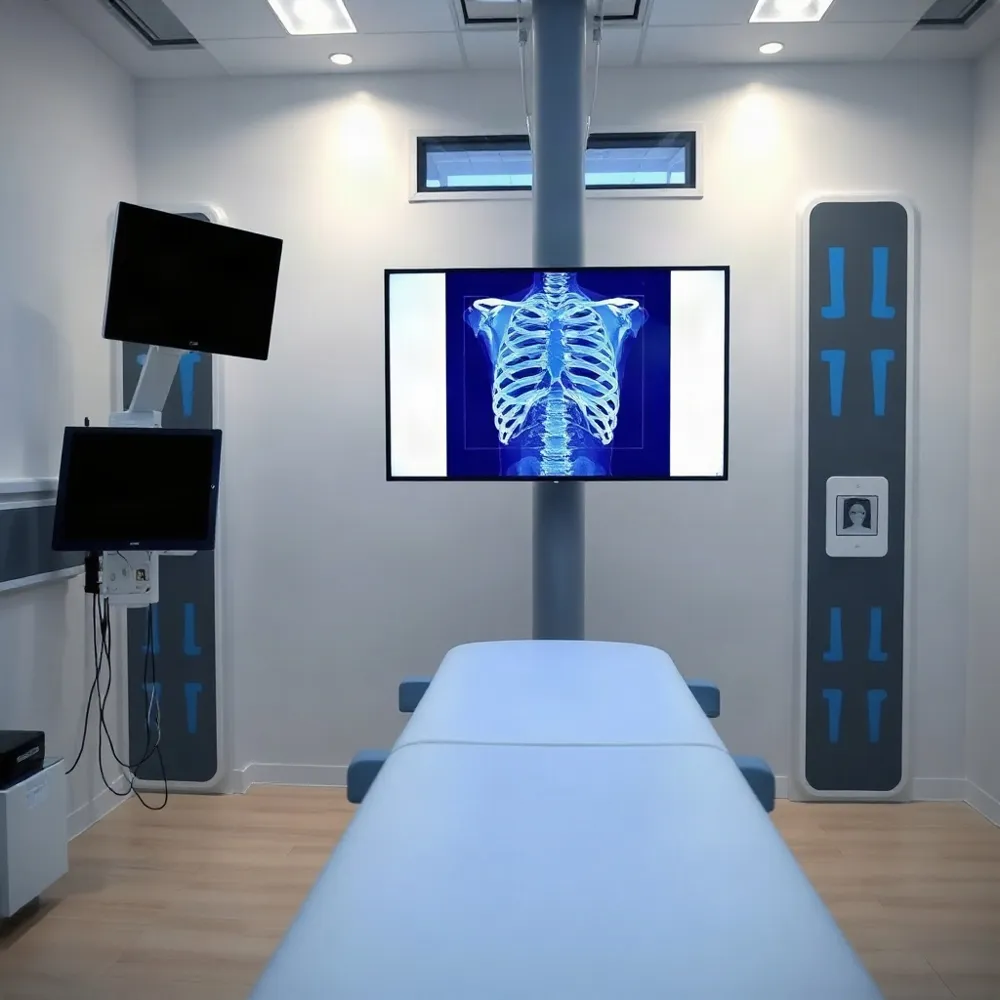 Assessment starts with how the injury happened and a careful examination of the hand and fingers. The clinician checks skin condition, finger position and alignment, movement, and sensation, and may look for injuries to nearby tendons or joints.
X-rays commonly show where a fracture is and how far it extends. If the images do not provide enough detail or an associated injury is suspected, the clinician may consider additional imaging. The Children’s Hospital of Philadelphia hand fracture guidance describes examination and X-rays as common parts of evaluation.
Treatment depends on the fracture’s location and pattern, whether the bone is aligned and stable, and the child’s age and development. Many simple fractures heal with a splint or cast. Buddy taping, which secures an injured finger to a neighboring finger, may be suitable for some breaks.
If a bone is displaced, a clinician may first move it back into position, then immobilize it. Open, unstable, or complex fractures, or breaks that change finger alignment, may need assessment by an orthopedic surgeon and sometimes surgery. Pins, screws, or plates can hold the bones in place while they heal.
Follow-up helps confirm that the fracture is healing in the intended position. Once it is stable enough, guided motion can help restore movement and limit stiffness. Dr. Rebecca S. Yu, MD, is a board-certified orthopedic surgeon specializing in hand and upper-extremity surgery in Berkeley, and her practice provides information about treatment options and appointment booking.
Protecting The Hand Before Assessment
While arranging care for a suspected fracture, keep the hand still and supported. If you already have a splint, use it as directed. Do not try to straighten a visible deformity or push bone back under the skin. Remove rings or tight jewelry before swelling makes them difficult to remove.
A cloth-wrapped ice pack and elevation above the heart may help limit swelling. Keep the ice pack from touching skin directly, and avoid using the injured hand to grip, lift, or carry items. Follow the treating clinician’s instructions for any pain medicine, and ask a clinician or pharmacist which over-the-counter option is suitable.
Arrange prompt professional assessment. Seek emergency care for an open wound, obvious deformity, worsening pain, numbness or tingling, weakness, or fingers that become pale, blue, or cold. These signs can indicate an injury that needs urgent attention. General children’s hand-fracture guidance also notes that evaluation and treatment depend on the fracture and the child’s development.
Dr. Rebecca S. Yu is a board-certified orthopedic surgeon specializing in hand and upper-extremity care in Berkeley, California. Families can review pediatric hand care guidance when considering why a child’s growing bones may need assessment suited to their development.
Why Small Breaks Still Need Assessment
A hand injury that seems mild can still involve a fracture, and pain alone cannot show whether the bone is properly aligned. An examination and often an X-ray help identify the break and guide care, as described in the Children’s Hospital of Philadelphia’s hand fracture guidance.
A small, nondisplaced fracture may need only simple support, such as a splint or buddy taping, rather than a cast or surgery. But without assessment, a break may heal out of position and leave lasting pain, stiffness, weaker grip, or difficulty using the hand. Dr. Rebecca S. Yu, MD, specializes in hand and upper extremity surgery, including care for pediatric hand injuries.
Until the hand is assessed, keep it supported and elevated, and avoid activities that increase pain. Seek urgent care for an open wound or visible deformity, or if the child has numbness or pale or blue fingers. These signs may indicate an injury that needs prompt attention.
Healing And Return To Activity
Many broken hands take about four to eight weeks for the bone to heal, but timing varies with the bone involved, fracture severity and alignment, and whether surgery is needed. Healing estimates are only a guide, so follow-up with a clinician helps track progress and inform the next steps.
Bone healing does not always mean the hand feels or functions completely normal. Swelling, sensitivity, pain, or stiffness can continue after the bone has healed, and rebuilding strength may take longer. Care instructions should specify when to begin moving the hand and fingers and when to resume normal use. General guidance on broken-hand care for children also emphasizes following the treating clinician’s instructions.
Children with simple fractures treated with a splint or cast generally return to regular activities sooner than those who need surgery, according to the Children’s Hospital of Philadelphia’s hand fracture guidance. Still, a child should return to sports, play, and other demanding activities only when the treating clinician says it is safe.
Once a fracture is stable enough, gentle motion exercises can help reduce stiffness and restore movement. Physical therapy may be recommended when the fracture is more complex. Dr. Rebecca S. Yu, MD, a board-certified orthopedic surgeon specializing in hand and upper extremity surgery, provides information on pediatric care and treatment options through rebeccasyumd.com; families should follow their own clinician’s plan for recovery.
Clues In A Child’s Hand
After a hand injury, a child may have pain or tenderness, swelling, bruising, or a change in skin color. They may avoid using the hand or have trouble moving a finger. A finger that looks crooked or out of line also deserves prompt assessment. These signs can help guide an examination, but they cannot show on their own whether a bone is broken.
Some children report hearing or feeling a crack or pop when the injury happens. That detail is useful to share with the clinician, but it does not confirm a fracture. Bruises and sprains can cause similar pain and swelling, and a child may find it difficult to describe exactly what hurts.
A healthcare professional can examine the hand and finger alignment and decide whether imaging is needed. X-rays are commonly used to locate a fracture and assess its extent, as described in the Children’s Hospital of Philadelphia’s hand fracture guidance. Seek prompt care if the hand looks deformed or the child cannot move their fingers.
Dr. Rebecca S. Yu, MD, is a board-certified orthopedic surgeon specializing in hand and upper-extremity surgery in Berkeley, including pediatric care. An in-person assessment helps distinguish a possible fracture from injuries with similar symptoms and determine what evaluation is appropriate.
Care For Growing Bones
Children’s bones are softer than adult bones, so a hand injury may bend a bone rather than break it completely. A bent bone can gradually straighten as it heals, but the right care still depends on the fracture’s location, alignment, and the child’s stage of growth. Children’s Hospital of Philadelphia’s guidance on hand fractures describes how these differences affect treatment.
Many stable fractures can heal with a splint or cast. For some finger fractures, buddy taping, which secures an injured finger to a neighboring one, may provide support. If a bone is displaced or rotated, a clinician may first move it back into position, then immobilize it. Surgery is not needed for every misaligned fracture, but an unstable break may need pins or other fixation to hold the bone in place.
Open fractures and breaks that involve a joint or growth plate may need assessment by an orthopedic specialist. Follow-up visits, and sometimes X-rays, help check that the bone remains aligned and is healing as expected. A growth-plate injury may also need monitoring as the child grows.
Care instructions should specify whether the child can move the fingers, how to manage bathing and keep a cast or splint in good condition, and when normal hand use can resume. Dr. Rebecca S. Yu, MD, is a board-certified orthopedic surgeon specializing in hand and upper-extremity surgery in Berkeley; her practice provides information on pediatric care and treatment options through rebeccasyumd.com. Follow the treating clinician’s instructions rather than adjusting immobilization or activity on your own.
Fractures Near The Wrist
An injury close to the wrist may involve a carpal bone in the hand, or the distal radius, the larger forearm bone beside the wrist. Many childhood wrist fractures affect the distal radius rather than the small carpal bones. A common cause is falling onto an outstretched hand.
Two patterns seen in children are buckle and greenstick fractures. In a buckle, or torus, fracture, compression makes the bone bulge without breaking all the way through. In a greenstick fracture, one side of the bone breaks while the other side bends. A fracture may also involve a growth plate near the end of a bone.
Because the location and alignment affect care, an examination and imaging can help distinguish an injury near the wrist from a hand fracture and show whether the bone is displaced. The Pediatric Orthopaedic Society of North America’s hand trauma guide describes how pediatric hand injuries are assessed; a clinician determines the appropriate evaluation and treatment for each suspected fracture.
Dr. Rebecca S. Yu, MD, is a board-certified orthopedic surgeon specializing in hand and upper-extremity surgery in Berkeley, California. Her practice provides information about pediatric care and treatment options, while assessment of a wrist-area injury should account for the specific bone and whether a growth plate is involved.
The Seymour Fracture
A Seymour fracture is an open break near the growth plate at the tip of a child’s finger, often with a tear in the nail bed. It can follow a crush injury, such as a fingertip caught in a closing door. The nail may sit above the skin fold at its base, and the fingertip may bend downward.
Because the fracture connects with an open wound and may involve trapped tissue, prompt medical assessment is important. An examination checks the nail and surrounding tissue, while X-rays help show the fracture’s position. The Pediatric Orthopaedic Society of North America’s hand-trauma guidance identifies Seymour fractures as open fractures requiring specific wound and fracture care.
Treatment is tailored to the injury. It may include removing the nail to access the wound, cleaning away contaminated or damaged tissue, repairing the nail bed when needed, and treating the fracture so it stays aligned. Antibiotics may also be part of care. A pin can help stabilize an injury that is unstable, while severe, contaminated, delayed, or difficult-to-align fractures may need surgery. Follow-up helps check healing and finger function.
Dr. Rebecca S. Yu, MD, is a board-certified orthopedic surgeon specializing in hand and upper-extremity surgery in Berkeley, California. Her practice provides care for hand trauma and pediatric conditions, with treatment decisions guided by the individual injury rather than a single routine for every Seymour fracture.
Protecting Function As Bones Heal
A suspected hand fracture deserves timely assessment because the right care depends on which bone is injured, whether it is aligned and stable, and whether the injury affects a growth plate, joint, or nearby soft tissue. An examination and X-rays can help clarify what treatment is appropriate, as described in the Children’s Hospital of Philadelphia’s hand fracture guidance.
Many simple fractures in children heal with a splint or cast. Once the fracture is stable, clinician-guided movement can help restore motion and limit stiffness. Follow-up lets the care team check healing and, when needed, monitor growth and alignment.
Follow the treating clinician’s instructions for immobilization, hand use, exercises, and follow-up. Seek urgent care for an open injury, marked deformity, inability to use the hand, or changes such as pale or cool fingers, numbness, or tingling. Individual assessment helps protect hand function as the child grows.