Why a Drooping Fingertip Needs Attention
A fingertip that suddenly droops and will not straighten after an injury may signal mallet finger. This happens when the tendon that straightens the fingertip is damaged, sometimes along with a small bone fracture. Swelling or bruising may also appear. Mallet finger symptoms and causes can vary, so appearance alone cannot show the full extent of the injury.
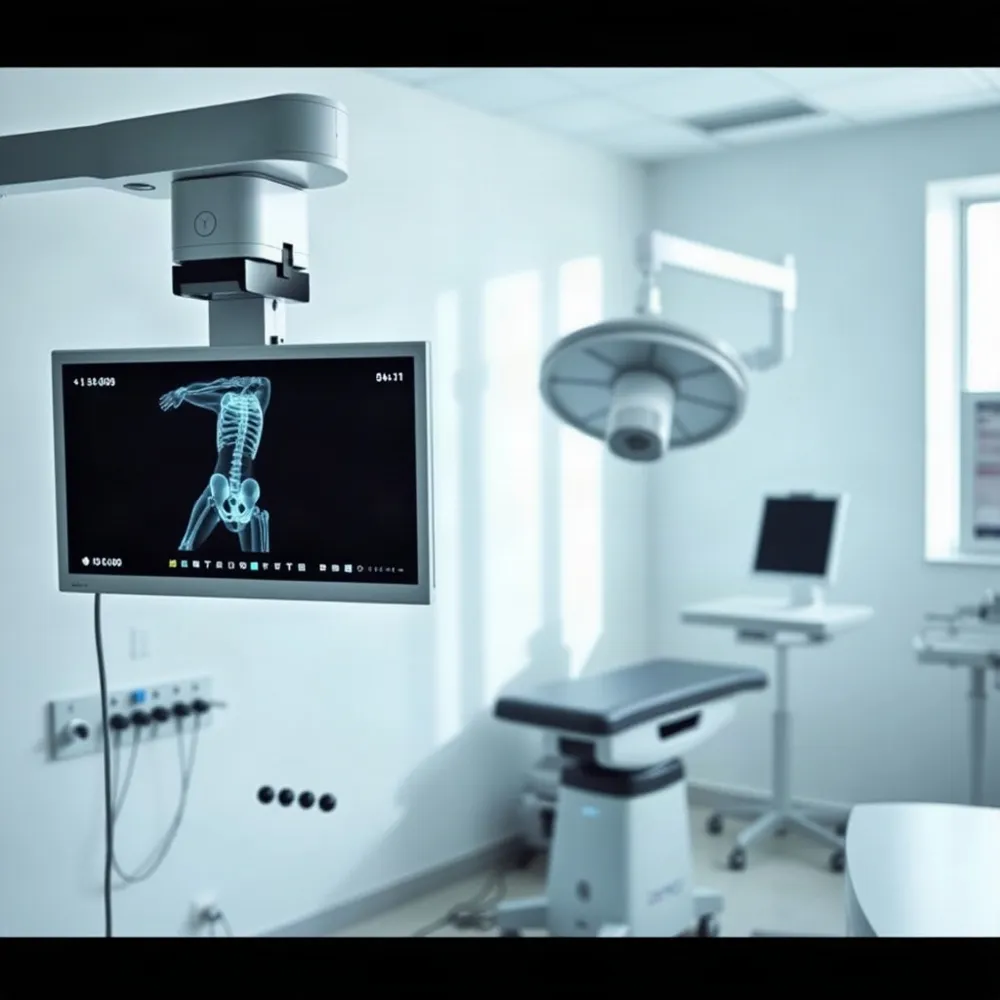
Many cases heal without surgery, but treatment depends on the damage. A clinician can examine the finger and use an X-ray to check for a fracture or joint alignment, then recommend a suitable plan. Dr. Rebecca S. Yu, MD, is a board-certified orthopedic surgeon specializing in hand and upper-extremity care in Berkeley, where assessment can help guide treatment for an injured finger.
When splinting is recommended, it must hold the fingertip in the prescribed position and be worn consistently. Even brief bending during treatment may interfere with healing. Seek medical assessment if an injured finger cannot move or straighten normally rather than waiting to see whether the droop resolves on its own.
Recognizing the Injury and Its Risks
 Mallet finger is damage to the tendon that straightens the fingertip. Sometimes the tendon pulls a small piece of bone away with it, so an examination and X-ray may be needed to clarify the injury.
A ball striking an outstretched finger is one familiar cause, but a jam, cut, fracture, or dislocation can also damage the tendon. The fingertip often droops and cannot be straightened actively; redness, swelling, and bruising may accompany it. A clinician can assess the injury and check for bone or joint damage. Cleveland Clinic’s overview of mallet finger describes these signs and causes.
Untreated damage can leave a lasting droop and alter forces across the finger, sometimes contributing to swan-neck deformity, where the middle joint bends backward. In children, an injury involving the growth plate may affect how the finger develops. Assessment helps establish the extent of the injury and an appropriate plan.
It is still worth seeking care if the injury happened some time ago. A longstanding problem may be harder to correct and may call for a different approach, but an orthopedic clinician can examine the finger and use imaging to assess it. Dr. Rebecca S. Yu is a board-certified orthopedic surgeon specializing in hand and upper-extremity care in Berkeley, California.
Splinting Without Surgery
 Can mallet finger be treated without surgery? Yes. Many injuries heal with a splint that holds the fingertip joint straight while the tendon or bone recovers. A clinician may examine the finger and take X-rays to check for a fracture or joint misalignment before recommending a plan. Most cases can be managed with splinting, but the appropriate treatment depends on the injury.
How long should a splint be worn for mallet finger? It is usually worn continuously for six to eight weeks, sometimes longer, with the schedule set by the treating clinician. Wear it day and night as directed, and do not stop or reduce use without guidance. After the initial period, the clinician may recommend a gradual transition, including continued use at night.
Keeping the fingertip straight is essential, including when the splint is removed for cleaning. Support the finger on a flat surface while washing and drying the skin and splint, then put the splint back on without letting the fingertip bend. An accidental bend can interfere with healing and may mean extending or restarting splint treatment. The NHS mallet finger guidance also advises keeping the splint dry and the fingertip straight during cleaning.
How can you care for mallet finger at home while wearing a splint? Keep it dry, protect it from water when showering, and check that it holds the fingertip straight without being too tight. Contact the clinician if it slips, feels tight or uncomfortable, or causes skin irritation. Elevating the hand and applying ice wrapped in a cloth may help with swelling. Use pain medicine only if it is appropriate for you and according to the label or clinician’s advice.
Seek medical advice if pain worsens, the finger changes color, numbness or tingling develops, or skin problems appear. Dr. Rebecca S. Yu, MD, is a board-certified orthopedic surgeon specializing in hand and upper extremity care in Berkeley, providing a clinical setting to assess the injury and guide treatment and follow-up.
Healing, Follow-Up, and Hand Exercises
 Follow-up lets a clinician check how the tendon and joint are healing, assess the fingertip’s position, and adjust the plan if needed. X-rays may be used to monitor a fracture or check alignment. Less pain and swelling, followed by a gradual return of active fingertip straightening, can signal improvement, but appearance alone cannot confirm that healing is complete. Cleveland Clinic’s mallet finger guidance describes clinical assessment and imaging as part of care.
Many injuries need about eight weeks of splinting; more severe cases may need longer, and full recovery can take additional weeks to months. A slight droop or a small bump may remain even when the finger works normally. If the fingertip still droops or starts drooping again, keep wearing the splint as prescribed and contact your clinician. They can assess healing and decide whether further splinting, therapy, or another treatment is appropriate.
Rehabilitation exercises usually begin only after the prescribed period of continuous splinting and with guidance from a clinician or hand therapist. Timing varies with the injury: a bony mallet injury may be ready for guided movement around six weeks, while a soft-tissue injury may need about eight weeks of protection. The Cambridge University Hospitals treatment programme sets out this distinction and emphasizes following the therapy team’s instructions.
While the fingertip remains supported straight, you may be advised to keep the middle joint and other unaffected joints moving. Once cleared, exercises can progress to gentle, guided fingertip bending and straightening, with the splint worn between sessions as directed. Hand use should increase gradually as the splint is weaned. If the fingertip droops during an exercise, stop, put the splint back on, and contact your care team rather than pushing through.
At rebeccasyumd.com, Dr. Rebecca S. Yu, MD provides hand and upper-extremity care, including evaluation of injuries and treatment planning. A clinician can help distinguish a harmless residual change from a sign that healing needs reassessment. Seek prompt advice for worsening pain or swelling, numbness, skin problems, or a pale or blue fingertip.
When Surgery and Cost Questions Arise
Splinting is the usual treatment for mallet finger, and most injuries do not require an operation. At Rebecca S. Yu, MD’s Berkeley hand practice, care focuses on evaluating the injury and discussing suitable treatment options; surgery is considered only when the findings call for it.
When is surgery recommended for mallet finger? A complicated fracture, a tendon that is completely severed, an open injury, or a joint that is displaced or needs stabilization may prompt a surgical discussion. Examination and X-rays help show the extent of tendon, bone, and joint damage. A review in the Journal of Hand Surgery found that evidence does not establish one approach for every injury, so treatment is individualized to the patient and injury surgical and nonsurgical management of mallet finger.
How much does mallet finger surgery cost? There is no single price, and the information available does not provide a reliable estimate. Ask the surgeon’s office and insurer for a treatment-specific estimate, including facility, anesthesia, follow-up visits, deductible, copay, and coinsurance. Rebecca S. Yu, MD’s practice provides hand and upper-extremity care in Berkeley, where the office can explain costs related to the recommended plan.
Protect the Finger Through Recovery
Early assessment, a properly fitted splint, and following the clinician’s instructions give many people a path to recovery without surgery. Mallet finger treatment guidance explains why the fingertip must stay in its prescribed position while it heals.
If your fingertip droops or you have concerns during treatment, seek individualized clinical guidance. Do not test the joint or change the splint on your own; Dr. Rebecca S. Yu, MD, provides hand and upper-extremity care in Berkeley.