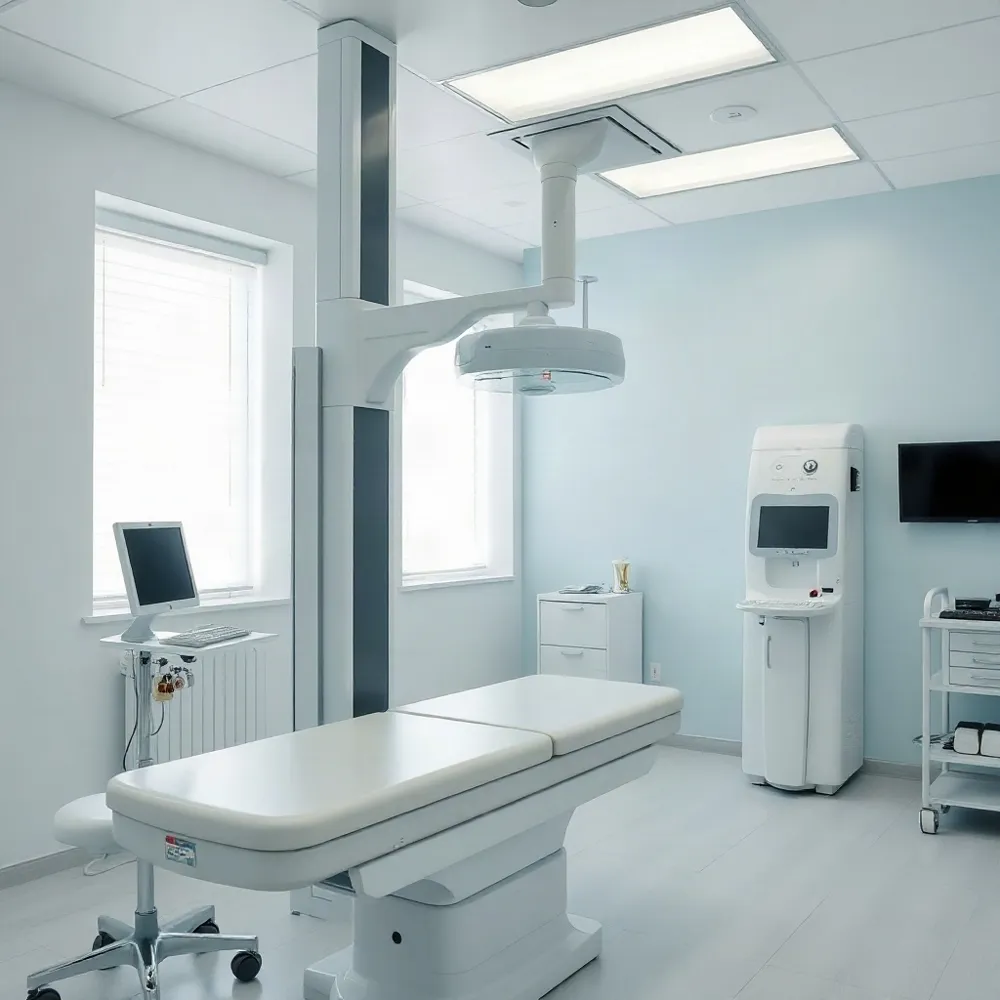
Severe Hand Injuries Need Individual Care
Overcoming a severe hand injury can involve urgent assessment, treatment matched to the damaged structures, and rehabilitation. No single patient story or recovery timeline can predict what another person will experience.
A published Denver Health story describes eight-year-old Olivia Doehler, whose hand was run over by a pickup truck in 2020. She was treated at Denver Health, not by Dr. Rebecca S. Yu. Her account is one family’s experience, not a forecast for other patients.
A serious crush injury may damage bones, nerves, blood vessels, tendons, and skin. Dr. Yu treats hand crush injuries in Berkeley, where on-site fluoroscopy and ultrasound can support evaluation. The British Society for Surgery of the Hand describes how hand injuries can involve several structures and sometimes need treatment beyond time to heal.
Olivia’s reported care is distinct from general guidance and from the services Dr. Yu offers. The details of an injury guide its treatment and recovery.
Frequently asked questions
Can a crush injury affect more than one part of the hand? Yes. When should a serious injury be assessed? Promptly. Does one patient’s recovery predict mine? No; each injury and recovery differs.
To schedule a visit, book an appointment or call (510) 540-6800.
A Crush Injury Can Damage Many Structures
 A crush injury can affect several parts of the hand at once, so the damage may be more extensive than it first appears. In one reported accident, a child fell behind a reversing pickup truck while riding a toy bike, and the truck ran over her right hand. Her treating surgeon described severe crushing through the middle of the hand, with displaced bones and nerve damage.
Severe crushing can also disrupt blood vessels. Hand injuries may involve the skin, tendons, nerves, blood vessels, bones, or joints, and some need treatment beyond time and protection, according to the British Society for Surgery of the Hand’s hand injury information. One person’s injury and treatment do not predict what another patient will need.
Pain, swelling, bruising, or difficulty moving can occur with different injuries, so symptoms alone may not show whether there is a sprain, fracture, or dislocation. Dr. Yu treats crush injuries and other hand trauma in Berkeley. Her office has on-site fluoroscopy and ultrasound, which can help with evaluation.
Common questions after a hand injury
- What should I do after a fall that causes hand or wrist pain? Protect the hand and arrange an assessment for severe or persistent pain, swelling, bruising, deformity, numbness, or difficulty moving your fingers or wrist.
- What can I do while waiting for care? Rest and raise the injured area. Apply a cold pack wrapped in cloth for short periods, and do not force movement or try to straighten a visible deformity.
- Can I tell whether it is a sprain or fracture? Not reliably from symptoms alone. An examination and imaging may be needed to distinguish an injury.
To arrange an appointment, book online or call (510) 540-6800.
Urgent Treatment Protects Injured Hand Structures
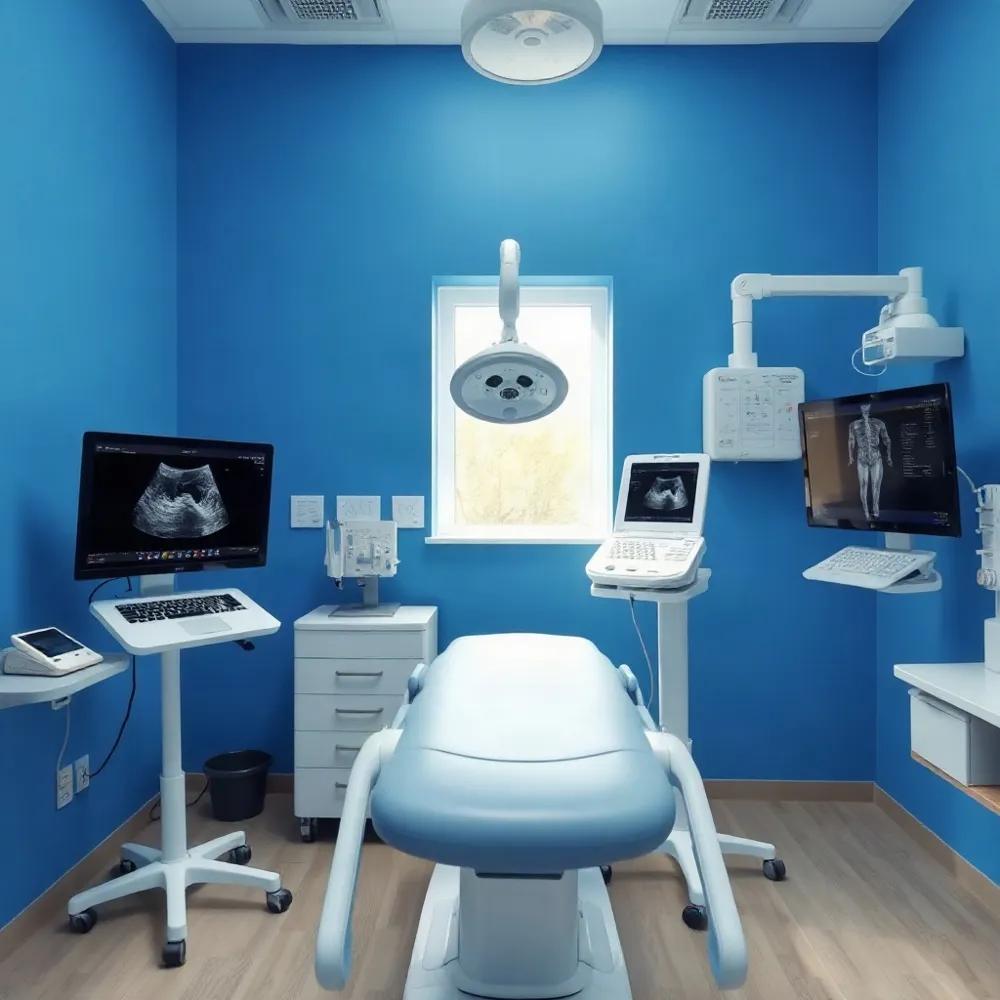 When a severe crush injury affects the hand, prompt assessment helps the care team identify damage and decide what treatment is needed. The right approach depends on which bones, tendons, nerves, blood vessels, and other tissues are injured.
Treatment for a hand or wrist soft-tissue injury depends on the tissue involved and the extent of damage. Some injuries call for temporary protection and activity changes; others may need a brace, splint, or cast. Significant tendon or ligament injuries need careful evaluation and sometimes surgery. Since soft-tissue injuries can resemble fractures, an examination and imaging may be needed.
Dr. Yu treats hand injuries in Berkeley, including crush injuries, fractures, and tendon and nerve injuries. Her office has on-site fluoroscopy and ultrasound to support evaluation. When larger surgery is needed, it is performed at The Surgery Center of Alta Bates Summit Medical Center or Alta Bates Hospital.
Frequently asked questions
How are soft-tissue injuries treated? Care is based on the injured tissue and severity, and may include protection, activity changes, imaging, or surgery. Can a soft-tissue injury be mistaken for a fracture? Yes. An examination and imaging can help distinguish them. Does every crush injury need surgery? No. The treatment plan depends on the specific damage and clinical needs.
To schedule an appointment, book online or call (510) 540-6800.
Rehabilitation Helps Restore Everyday Function
 Rehabilitation Helps Restore Everyday Function
Rehabilitation can help address stiffness, limited movement, weakness, and difficulty using the hand after a serious injury. The timing and exercises depend on the injury and treatment, so they should follow the treating team’s instructions.
Recovery varies with the injured tissue, severity, and treatment. A fracture, tendon injury, or dislocation may need protection followed by guided exercises. Stiffness or weakness can remain after pain improves. Dr. Yu treats hand crush injuries in her Berkeley practice, and on-site imaging includes ultrasound and fluoroscopy.
To discuss a hand injury, book an appointment or call (510) 540-6800.
Know When to Contact the Surgical Team
Contact a clinician promptly after a hand injury if you have significant pain or swelling, a visible deformity, numbness, or trouble moving your fingers. A crush injury can affect bones, tendons, nerves, and blood vessels, and symptoms that persist or worsen deserve assessment. The [American Society for Surgery of the Hand](https://handcare.org/conditions/hand-injuries) describes the range of structures that hand injuries can involve.
Dr. Yu treats hand injuries in her Berkeley practice and has on-site fluoroscopy and ultrasound to support evaluation. For more on hand and wrist care, see hand and wrist care. Whether you need imaging, a splint, or another treatment depends on the injury and examination.
Less pain does not always mean an injury is ready for full activity. Returning too soon can aggravate some injuries, so follow the activity guidance for your specific condition. The [AAOS OrthoInfo guide on hand injuries](https://orthoinfo.org/en/diseases--conditions/hand-injuries) recommends pacing activities and seeking clinical advice when concerned about recovery.
Questions patients often ask
- When should I have a hand or wrist injury checked? Seek assessment for significant pain or swelling, deformity, numbness, trouble moving your fingers, or symptoms that persist or worsen.
- Can I use my hand as soon as it hurts less? Not always. Follow guidance for your injury before returning to activity.
- What warning signs should I watch for after hand surgery? Contact the surgical team promptly for rapidly worsening pain or swelling, bleeding through the dressing, a persistently tight dressing, new numbness, unusually pale, blue, or cold fingers, spreading redness, drainage, or fever. Follow procedure-specific instructions, and seek urgent care for severe or rapidly worsening symptoms.
To arrange an appointment, book online or call (510) 540-6800.
Recovery Is Personal and Often Gradual
Recovery after a severe hand injury depends on the structures involved and the treatment needed. Olivia’s reported progress followed a serious injury, surgery, and months of rehabilitation, but her experience cannot predict another person’s outcome. The British Society for Surgery of the Hand’s guidance on hand injuries notes that injuries can affect bones, tendons, nerves, blood vessels, and joints.
For patients in Berkeley and the East Bay, Dr. Yu evaluates hand injuries, including crush injuries and damage to tendons or nerves. Her office has on-site fluoroscopy and ultrasound to support assessment and treatment planning.
Book an appointment at https://www.rebeccasyumd.com/book-your-appointment or call (510) 540-6800.