Understanding Two Common Forms of Elbow Tendonitis
Tennis elbow and golfer's elbow are among the most common overuse injuries affecting the elbow, together known as epicondylitis. Both involve irritation or degeneration of the forearm tendons, but they affect opposite sides of the joint: tennis elbow (lateral epicondylitis) causes pain on the outer elbow, while golfer's elbow (medial epicondylitis) produces pain on the inner side.
Distinguishing between the two is essential for effective treatment, because the exercises, braces, and activity modifications differ based on which tendons are involved. Despite their names, over 90% of cases are not related to sports — the same repetitive gripping and twisting motions in daily work or hobbies can cause either condition.
Tennis Elbow vs Golfer's Elbow: The Key Difference
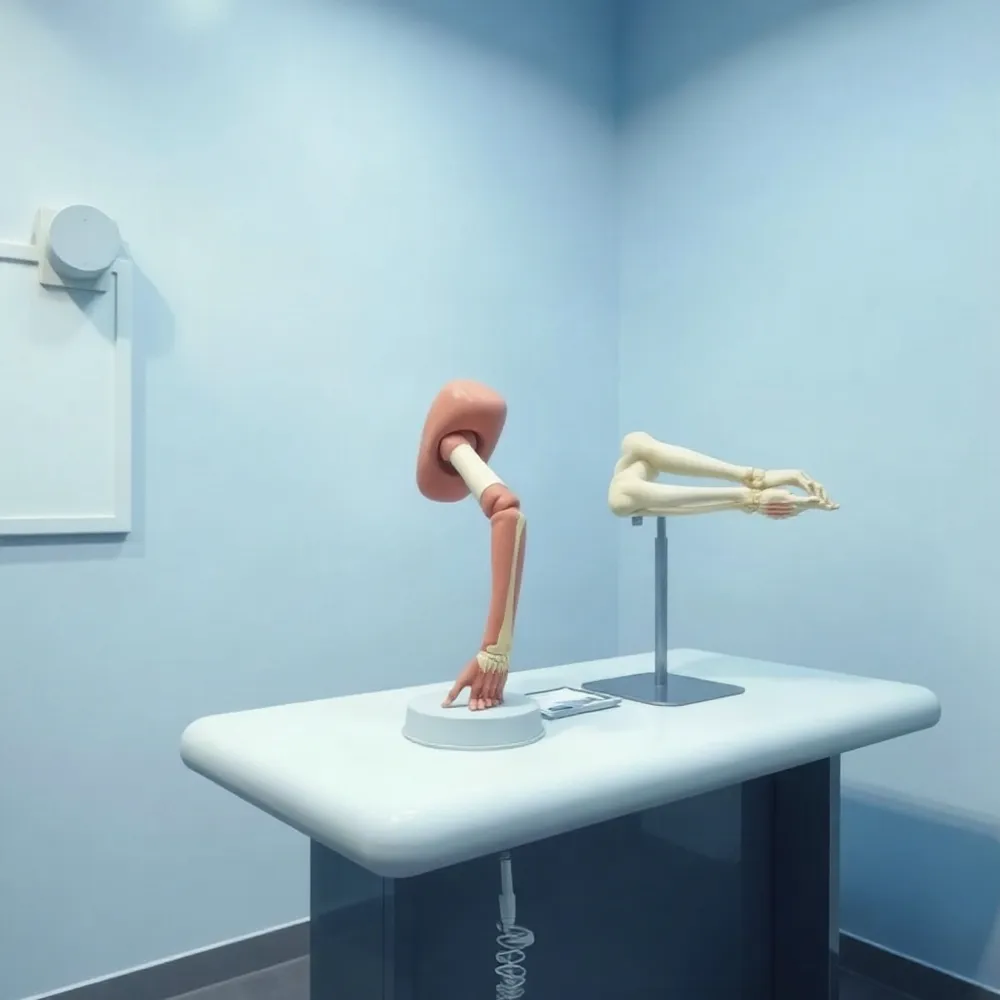 The main difference between tennis elbow and golfer's elbow comes down to location. Tennis elbow, or lateral epicondylitis, produces pain on the outer side of the elbow where the tendons that extend the wrist and fingers attach to the bone. Golfer's elbow, known medically as medial epicondylitis, causes pain on the inner side of the elbow, where the wrist flexor tendons attach.
Both are forms of elbow tendonitis (epicondylitis) caused by overuse of the forearm muscles, but they affect different tendon groups. Tennis elbow pain typically worsens when you grip an object or extend your wrist — think shaking hands or lifting a coffee cup. Golfer's elbow pain intensifies when you bend your wrist forward or grip something forcefully, such as swinging a club or twisting a doorknob.
Despite their names, over 90% of epicondylitis cases are not related to the namesake sports. Occupations like carpentry, painting, plumbing, and assembly-line work are far more common triggers. If you are unsure about the source of your elbow pain, an evaluation by a board-certified orthopedic specialist such as Dr. Rebecca S. Yu can pinpoint the condition through a physical exam and guide you toward the right treatment plan.
Treatment for both conditions follows a similar path: rest, physical therapy, bracing, and anti-inflammatory medications. Surgery is rarely needed, and the vast majority of cases improve significantly within 12 months of conservative care.
Causes and Risk Factors for Tennis Elbow
 Tennis elbow, also called lateral epicondylitis, develops when the forearm extensor tendons are overused from repetitive wrist and arm motions. Repeated gripping, twisting, or swinging actions cause tiny tears and inflammation where the tendon attaches to the bony bump on the outer elbow.
Despite its name, most people who develop tennis elbow do not play tennis. Common activities include using tools (screwdrivers, hammers), painting, carpentry, plumbing, and even typing or using a computer mouse for extended periods. Jobs that involve repeated arm movements — such as those of plumbers, painters, and carpenters — are frequent contributors.
Risk factors include age (most common in adults 30–60), smoking, and obesity. Smoking can affect tendon health and healing, while obesity adds extra load on the tendons. People who regularly lift more than 45 pounds or play racket sports for over two hours daily are also at higher risk. Some research has linked low vitamin D levels to worse tennis elbow symptoms, including higher pain scores and reduced grip strength, so adequate vitamin D is important for tendon integrity.
Causes and Risk Factors for Golfer's Elbow
 Golfer's elbow, or medial epicondylitis, develops when the tendons that attach your forearm muscles to the inner elbow (the medial epicondyle) are repeatedly strained. The primary cause is overuse from repetitive wrist flexion, forearm pronation (turning the palm down), and gripping motions. When these movements are performed without enough rest, the overloaded tendons fail to heal as they should.
Although the condition bears the name of a sport, it is far from limited to golfers. Anyone who repeatedly grips, twists, or flexes their wrist can develop it. Common activities include weightlifting, throwing sports, construction work, assembly line tasks, and any job that demands forceful or repetitive hand movements.
Experts note that golfer's elbow is less a simple inflammation and more a failed healing response to chronic tendon overload. As described by Hospital for Special Surgery, the chronic form is thought to result from a "failed healing response of the overloaded tendon" rather than an inflammatory process, which is why it is sometimes termed tendinopathy or tendinosis instead of tendonitis.
Primary causes. Overuse of the forearm flexor tendons from repetitive gripping, twisting, and wrist flexion. Specific triggers include swinging a golf club or tennis racquet, lifting weights, hammering, gripping tools, and assembly work.
Risk factors. Being over age 40, spending two or more hours daily on repetitive movements, smoking (which impairs tendon health and healing), having obesity, diabetes, or high cholesterol, and using improper technique or ill-fitting equipment (e.g., a too-small grip on a golf club).
Because the tendon damage accumulates over time, symptoms often develop gradually. Recognizing the early signs and addressing them with a board-certified orthopedic specialist like Dr. Rebecca S. Yu can prevent the injury from becoming chronic. Dr. Yu provides thorough evaluations to differentiate medial epicondylitis from other conditions that mimic inner elbow pain, such as ulnar nerve entrapment. For patients whose symptoms have not improved after six weeks of home care, a professional diagnosis is strongly recommended to confirm the underlying cause and start appropriate treatment.
Diagnosis: How Specialists Tell Them Apart
An accurate diagnosis begins with a thorough physical exam that pinpoints the location and nature of the pain. The doctor will apply pressure to the elbow's bony bumps — the lateral epicondyle (outside) and the medial epicondyle (inside) — and ask you to move your wrist and fingers in specific ways. Provocative maneuvers that reproduce your pain are the most reliable sign.
Special Tests for Tennis Elbow
For lateral epicondylitis, three tests are commonly used. The Cozen test involves resisted wrist extension with the elbow straight; pain at the lateral epicondyle is a positive sign. The Mill test passively stretches the wrist extensors by flexing the wrist while the elbow is extended. The Maudsley test asks you to resist extension of the middle finger, which recruits the extensor carpi radialis brevis tendon often affected in tennis elbow.
Special Tests for Golfer's Elbow
The Golfer's Elbow test for medial epicondylitis has passive and active components. The passive method supinates the forearm and extends the elbow, wrist, and fingers; the active method involves resisted wrist flexion and pronation. Reproducing pain on the inner elbow confirms the diagnosis. These tests help distinguish medial epicondylitis from lateral epicondylitis and other elbow conditions.
Imaging and Beyond
Imaging is not always needed but can rule out other sources of pain. An X-ray checks for arthritis or fractures, while ultrasound and MRI can reveal tendon degeneration or tears that might not show inflammation. It is important to distinguish epicondylitis from cubital tunnel syndrome (ulnar nerve compression), which causes tingling in the ring and little fingers, and from referred pain from the neck or shoulder. A proper diagnosis ensures you receive the correct treatment, not one meant for a different condition.
Conservative Treatments and Home Care
For both tennis elbow and golfer's elbow, the first and most effective step is to rest the affected arm and stop the activity causing the pain. This allows the irritated tendons to begin healing. Alongside rest, applying ice to the painful area for 15–20 minutes several times a day can reduce inflammation, and over-the-counter pain relievers like ibuprofen or naproxen help manage discomfort.
Braces can also provide meaningful relief. A counterforce brace, often called a tennis elbow or golfer's elbow brace, applies pressure to the forearm muscles to reduce strain on the tendon attachment at the elbow. By redistributing forces away from the injured tendon, it allows you to perform daily activities with less pain and supports the healing process.
Exercises for Rehabilitation
Physical therapy with specific exercises is essential for recovery. For tennis elbow, recommended stretches include wrist flexor and extensor stretches to improve range of motion, alongside strengthening exercises like wrist curls, reverse wrist curls, and towel crushes. Eccentric exercises, which involve slowly lowering a weight, are particularly effective for rehabilitating the extensor tendons.
For golfer's elbow, begin with gentle wrist flexor and extensor stretches, holding each for 15 to 30 seconds. As pain allows, progress to resisted exercises such as wrist flexion and extension using a light weight (1 to 2 pounds) with your forearm supported on a table. Squeezing a soft ball can also help strengthen hand and forearm muscles without aggravating the inner elbow.
The fastest way to treat both conditions is to immediately stop the causative activities and start conservative measures like icing and anti-inflammatory medication. While these steps provide relief, full healing can take several months, and incorporating targeted exercises and stretches helps speed recovery. For a personalized plan, it is wise to consult a specialist who can tailor rehabilitation to your specific condition.
Recovery, Prognosis, and When to Seek Help
Both tennis elbow and golfer's elbow generally improve with conservative care, and most cases resolve without surgery. Recovery times vary widely, but understanding what to expect can help you stay on track.
Typical Recovery Timelines
For most people, tennis elbow symptoms improve within a few weeks of nonsurgical treatment and rest. However, full healing of the tendon typically takes 6 to 12 months. Golfer's elbow follows a similar pattern: mild cases may resolve in 6 to 12 weeks, but many individuals require 6 months to 2 years for complete recovery. The condition often improves gradually with proper advice and activity modification.
Neither condition is inherently worse than the other; both can cause significant pain and impairment if untreated. The key is early intervention. Ignoring symptoms in either case can lead to chronic pain or loss of range of motion. With consistent conservative care including rest, ice, and appropriate exercises, most patients recover well.
When to Consult a Specialist
If elbow pain persists beyond a few weeks of home treatment, or if it prevents you from performing daily activities, it is time to see an orthopedic specialist. Early evaluation expands your treatment options and improves outcomes. An orthopedic hand and upper extremity specialist like Dr. Rebecca S. Yu, MD, in Berkeley, CA, can provide a precise diagnosis and a personalized rehabilitation plan to help you return to your activities sooner.
Even with proper care, some individuals may experience ongoing pain or intermittent flare-ups. Stopping the aggravating activities is essential to allow the tendons to heal. Persistence with a structured rehabilitation program including strengthening exercises is critical, as resting alone is often not enough to fully restore the tendon.
Advanced Treatments and When Surgery Is Needed
When rest, ice, and physical therapy fail to resolve symptoms, advanced treatments may help. Corticosteroid injections can provide short-term pain relief for both tennis elbow and golfer's elbow, but they may weaken the tendon and are typically not recommended beyond one or two doses.
Platelet-rich plasma (PRP) injections are a regenerative option that uses the patient's own concentrated platelets to promote healing in damaged tendons. Studies suggest PRP may benefit some patients, though research is ongoing. Other therapies include extracorporeal shock wave therapy, ultrasound-guided tenotomy, and topical nitroglycerin patches — all are considered investigational for epicondylitis.
- Corticosteroid injections: fast relief but can weaken tendon tissue
- PRP injections: may stimulate tissue repair with fewer risks
- Shockwave therapy / tenotomy / nitroglycerin patches: emerging options for persistent cases
Surgery is rarely needed. It is considered only after 6–12 months of failed conservative care. An HSS study found that among cases where injections did not provide relief, only about 3% required surgery. Risk factors such as smoking, diabetes, and vascular conditions increase the likelihood of needing an operation.
Prevention is the best long-term strategy. Strengthening the forearm muscles, using proper sports technique, and making ergonomic adjustments — such as increasing grip size on tools or rackets — can reduce the repetitive strain that leads to golfer's elbow and tennis elbow. For personalized guidance, Dr. Rebecca S. Yu can evaluate your mechanics and recommend targeted exercise programs to protect your elbows.
Get Expert Care for Lasting Relief
The difference between tennis elbow and golfer's elbow comes down to which side of the elbow hurts — outer for tennis elbow, inner for golfer's elbow. Both respond well to rest, physical therapy, and patience when caught early.
If elbow pain persists beyond a few weeks of home care, consulting an orthopedic specialist like Dr. Rebecca S. Yu in Berkeley, CA, can prevent the problem from becoming chronic.