Understanding Post-Surgical Elbow Pain
Elbow surgery can be painful because the joint is complex and packed with dense nerve endings. Pain typically peaks on the first or second day after surgery when swelling is greatest. Effective pain management is crucial for a smooth recovery and to prevent a pain-stiffness cycle, where pain causes guarding, which leads to stiffness and more pain.
This article outlines what to expect and how to manage discomfort, covering medication strategies, non-pharmacological techniques, and physical therapy. Dr. Rebecca S. Yu, MD, provides comprehensive post-operative pain management plans as part of her individualized care approach.
Why Elbow Surgery Hurts and When Pain Peaks
 The elbow is a compact, complex hinge joint where three bones, numerous ligaments, tendons, and dense nerve endings are packed into a small area. Because there is limited soft-tissue space for swelling to spread, post-surgical inflammation and fluid accumulation press directly on these sensitive structures, causing discomfort.
During surgery, local anesthetics are injected into the wound to numb the area. These agents typically wear off within 8 to 12 hours, at which point patients often notice a sharp increase in pain. Pain usually peaks on the first or second day after surgery, when swelling is highest. After this initial spike, significant pain normally resolves within two weeks, though some discomfort can persist for up to six weeks as tissues continue to heal.
Why the Elbow Is Especially Sensitive
Compared to larger joints like the hip or knee, the elbow's small size and the proximity of many tissues make nerve injuries and infections slightly more common with elbow surgery. An irritated or injured nerve may cause temporary symptoms such as numbness, tingling, or a pins-and-needles sensation. These symptoms usually resolve as the nerve heals, but it is important to report any persistent changes to the surgeon.
Rebecca S. Yu, MD, a board-certified orthopedic surgeon specializing in hand and upper extremity surgery, emphasizes careful pain management in the first 48 hours. Taking prescribed medications on schedule rather than waiting for pain to become severe, applying ice packs for 20 minutes every two hours, and elevating the elbow above heart level are all strategies that help control swelling and reduce pressure on nerve endings during the peak pain period.
Pain Management During the Peak
Because the first two days are the most uncomfortable, surgeons typically provide a short course of narcotic medication. Taking these with food can reduce side effects like nausea and constipation. Between narcotic doses, an over-the-counter anti-inflammatory such as ibuprofen or naproxen can be taken to smooth out pain peaks and minimize the total amount of narcotic needed. Ice therapy and elevation are equally important — they directly reduce swelling, which in turn lowers pressure on sensitive tissues.
By the end of the second week, most patients find that strong pain has subsided. Guided range-of-motion exercises and formal physical therapy, which typically begin after the first follow-up appointment (10 to 14 days post-surgery), gradually restore flexibility and help prevent the stiffness that can itself cause pain. The key is to stay ahead of discomfort in the early days so that recovery stays on track.
Medication Strategies for Pain Control
 After elbow surgery, pain is managed through a combination of medications, each targeting a different aspect of recovery. Most patients require narcotic pain medication for a short period, typically during the first few days when swelling peaks. These medications should be taken exactly as directed, and it is important to plan ahead for potential side effects.
Managing Side Effects
Common side effects of narcotic medication include nausea, drowsiness, and constipation. Taking the medication with food can help reduce nausea. For constipation, over-the-counter laxatives (such as prune juice, Senekot, or Miralax) are often effective. If nausea persists, anti-nausea medication like Zofran may be prescribed.
Supplementing with Over-the-Counter Options
If pain is not controlled by prescribed narcotics alone, an over-the-counter anti-inflammatory such as ibuprofen or naproxen can be taken between doses. This combination works on different pain pathways to provide more consistent relief while reducing the total amount of narcotic needed. However, NSAIDs should not be used routinely after ligament or tendon repair for the first six weeks, unless cleared by the surgeon.
Additional Medications and Precautions
For the first two weeks after surgery, patients are often instructed to take one aspirin daily to lower the risk of developing a blood clot. A short course of antibiotics may also be prescribed to prevent infection. Tramadol, a Schedule IV opioid, is another option for post-surgical pain; a Phase 3 trial of 251 patients found that intravenous tramadol 50 mg provided adequate pain control, with 95% of patients rating the medication as good, very good, or excellent for pain relief. No patients discontinued due to lack of efficacy.
During the initial recovery period, it is essential to avoid driving or operating machinery while taking narcotic medication. Patients should also remain aware of signs requiring medical attention, such as unrelenting pain, fever over 101°F, or significant swelling in the arm or hand.
For more detailed guidance on managing swelling and discomfort, including when to start physical therapy, see the Elbow Surgery Recovery: Managing Swelling and Pain Effectively article.
Non-Pharmacological Pain Relief Techniques
 After the first day or two of peak discomfort, non-pharmacological methods become the mainstay of pain control and are just as important as medication. These techniques help reduce swelling, protect the surgical repair, and keep you comfortable without relying solely on drugs.
Ice and Elevation
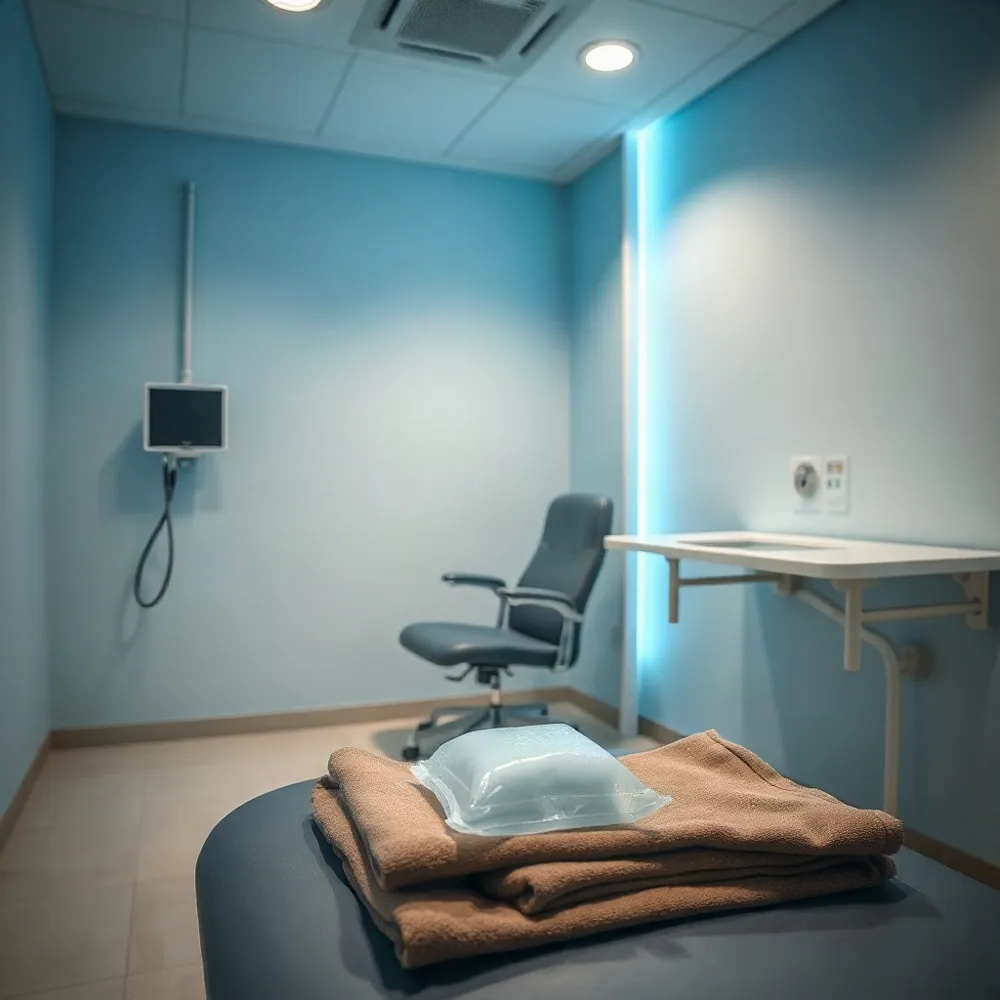
Applying ice packs to the elbow for 20 minutes every 2 hours (with a thin cloth between ice and skin) is one of the most effective ways to control swelling and numb pain in the first days after surgery. At the same time, keep the elbow elevated above heart level using pillows or a wedge pillow — this helps fluid drain away from the joint and reduces throbbing pain.
Gentle Movement and Positioning
Patients are often surprised to learn that controlled finger movements help decrease swelling: begin finger flexion and extension exercises on the first post-operative day. Early, surgeon-approved range-of-motion exercises for the wrist and hand also reduce stiffness, while avoiding activities that increase pain or swelling. For sleep, lie on your back with the arm propped on pillows to keep it elevated; create a barrier of pillows on your sides to prevent rolling onto the surgical site.
A balanced diet rich in protein and vitamins, adequate hydration, and quality sleep all support tissue repair and help the body manage inflammation naturally. Dr. Rebecca S. Yu's post-operative care plans emphasize these evidence-based techniques — advanced techniques in minimally invasive elbow care — guiding patients through each step to keep recovery on track.
Recovery Steps and What to Avoid
After elbow surgery, protecting the surgical repair is the top priority. The elbow is typically immobilized in a splint or sling for 7 to 14 days, and that splint must remain in place until the first postoperative appointment. During this period, patients should avoid lifting anything heavier than a coffee cup with the surgical arm and must not engage in any activity that increases pain or swelling.
Driving is prohibited while taking narcotic pain medication, and even after stopping narcotics, clearance from the surgeon is required before getting behind the wheel. Long periods of sitting or long-distance travel should be avoided for at least two weeks. Incisions must be kept dry — no baths, pools, or hot tubs until the surgeon says it is safe.
Return to Daily Activities
For patients with less invasive procedures, return to sedentary work or school may be possible after 3 to 4 days if pain is tolerable. Patients undergoing more extensive surgery, such as fracture repair or joint replacement, typically require 4 to 6 weeks or longer away from physically demanding jobs. The surgeon provides a specific timeline based on the individual procedure and healing progress, and rehabilitation plans are an important part of the recovery blueprint.
Physical therapy sessions should never be skipped. Consistent attendance helps break the pain-stiffness cycle and restores range of motion and strength. Patients at Rebecca S. Yu, MD receive a tailored therapy protocol that matches their procedure and recovery goals.
| Activity | Timeline / Restriction | Notes |
|---|---|---|
| Lifting with surgical arm | Nothing heavier than a coffee cup initially | Follow surgeon's specific weight limits |
| Driving | Prohibited on narcotics; surgeon clearance needed | Even after stopping narcotics, wait for approval |
| Showering / bathing | No soaking (baths, pools, hot tubs) until cleared | Cover incision with plastic; showering may be allowed day after |
| Sedentary work / school | Possible in 3-4 days if pain tolerable | Depends on procedure and pain level |
| Manual labor / sports | 4-6 weeks or longer for extensive surgery | Surgeon provides specific timeline |
| Long-distance travel | Avoid for at least 2 weeks | Sitting for long periods discouraged |
The Role of Physical Therapy in Healing
Physical therapy is an essential component of recovery after elbow surgery and typically begins after the first post-operative visit, usually 10 to 14 days after the procedure.
Rehabilitation follows a structured progression through several phases. During weeks 1 to 3, the focus is on passive range-of-motion exercises, where the therapist moves the joint without activating the muscles. From weeks 3 to 6, patients move into active-assisted exercises, gradually engaging the muscles. After week 6, strengthening exercises are introduced to rebuild flexibility, strength, and full joint function.
Gentle movement may begin even earlier. Many surgeons approve finger and wrist exercises within 24 to 48 hours of surgery to reduce swelling and prevent stiffness. Once cleared, forearm rotations and light elbow flexion and extension help maintain mobility. For more detailed guidance on recovery exercises and milestones, patients can refer to resources on elbow rehabilitation after surgery.
Formal physical therapy may continue for several months to a year, depending on the complexity of the procedure. Following a consistent rehabilitation plan is critical: post-surgical elbow stiffness can occur in up to 34% of cases when structured therapy is not followed.
Patients can improve their therapy outcomes by timing pain medication 30 to 45 minutes before a session. This approach allows for more comfortable movement and better participation, which in turn supports a steadier return to daily activities and long-term elbow health.
When to Call the Doctor and Long-Term Outlook
After elbow surgery, some swelling, bruising, and discomfort are normal. However, certain symptoms require immediate medical attention. Recognizing these warning signs is as important as following your daily post-operative routine.
Signs Requiring Immediate Attention
Contact your surgeon or go to the nearest emergency room if you develop a fever over 101°F, chills, or redness around the incision. These can indicate an infection. A color change in the arm or hand, continuous drainage or bleeding from the incision, or an inability to bear weight on the limb also warrant urgent care. According to the Cleveland Clinic, nerve injuries and infections are slightly more common with elbow surgery than with larger joint procedures due to the dense anatomy of the elbow.
Other red flags include unrelenting pain that is not relieved by prescribed medication, painful swelling or numbness that goes beyond expected post-operative changes, difficulty breathing, excessive nausea or vomiting, and calf pain. Some swelling and numbness is normal, but if it increases or becomes severe, call your provider. My Health Alberta advises seeking immediate care for more tingling or weakness in the hand or if you are unable to keep fluids down.
Long-Term Recovery Timeline
Full recovery of elbow use takes at least a few weeks for incision healing, but full functional recovery can take months to a year, depending on the procedure. Physical therapy, an essential part of recovery, may continue for several months. For complex procedures such as Tommy John surgery (UCL reconstruction), return to sport may require more than a year. The Cleveland Clinic notes that while incisions heal in a few weeks, the overall recovery of elbow function can extend for up to a year, with physical therapy continuing throughout that period.
For a broken elbow repaired with plates and screws (ORIF), the bone healing phase typically lasts about 6 weeks, during which a splint or sling is worn for protection. A structured physical therapy program, often starting around 2 weeks after surgery, is crucial to regain range of motion and strength. This rehabilitation can continue for 3 to 6 months, while full recovery for heavy lifting or sports may take 6 to 12 months. Individual results vary based on the severity of the fracture, your age, and how closely you follow your surgeon's plan.
Pain after elbow surgery is normal, but significant discomfort typically resolves within 2 weeks. Some degree of pain can last up to 6 weeks, with gradual improvement each day. Painkillers and anti-inflammatories help manage symptoms, and strong medications are usually tapered off over a few weeks. Following your surgeon's instructions and attending all follow-up appointments are the most critical factors for a successful outcome.
Your Path to a Successful Recovery
Pain after elbow surgery is normal and manageable with a combination of medication, ice, elevation, and rest. Following your surgeon's instructions closely is crucial.
Most patients experience significant improvement within weeks, but full recovery may take months to a year. Don't hesitate to reach out to your healthcare team with any concerns.