When Lifting Starts To Hurt
Elbow pain can interrupt a workout, make it harder to lift groceries, or turn simple tasks like opening a jar into a strain. Repeated lifting may irritate tendons, but elbow pain can also involve nerves, joints, or other tissues, so symptoms alone cannot confirm the cause. Elbow pain has several possible causes, and treatment depends on what is behind it.
Many lifting-related problems improve when the source is identified and aggravating activity is adjusted. At rebeccasyumd.com, Dr. Rebecca S. Yu provides care focused on elbow and upper-extremity conditions. The information here is general, not an individual assessment; persistent or concerning pain deserves evaluation by a healthcare professional.
What Lifting-Related Elbow Pain Can Mean
 Pain during or after lifting often reflects repeated stress on tendons around the elbow. Excessive weight, poor technique, a sudden jump in training intensity, or too little recovery can all contribute. Repeated gripping and wrist movements may also irritate forearm tendons, while repetitive strain injuries can affect tendons, bursae, or nerves.
Pressing exercises such as bench presses, dips, push-ups, and shoulder presses repeatedly load the triceps tendon at the back of the elbow. Pain there may worsen when bending or straightening the arm. At Rebecca S. Yu, MD’s Berkeley practice, elbow care is part of a broader focus on hand and upper-extremity conditions, where assessment can help distinguish tendon irritation from other causes.
“Lifter’s elbow” is an informal term, not one precise diagnosis. It may describe golfer’s elbow, which affects tendons on the inner elbow, or irritation of the triceps tendon at the back. Soreness or burning with lifting, stiffness, reduced grip strength, and pain when gripping or moving the arm are possible symptoms.
Pain on the inner side may involve golfer’s elbow; pain on the outer side may involve tennis elbow. Neither condition is limited to golfers or tennis players: repeated gripping, twisting, or wrist movements can stress these tendons. Tennis elbow can cause outer-elbow pain that travels into the forearm.
Location alone cannot confirm the cause. Nerve compression, bursitis, arthritis, strains, and other injuries can also produce elbow pain. A clinician can assess persistent or worsening symptoms rather than relying on a label; Dr. Yu’s practice includes elbow care within her upper-extremity specialty.
First Steps To Ease Pain
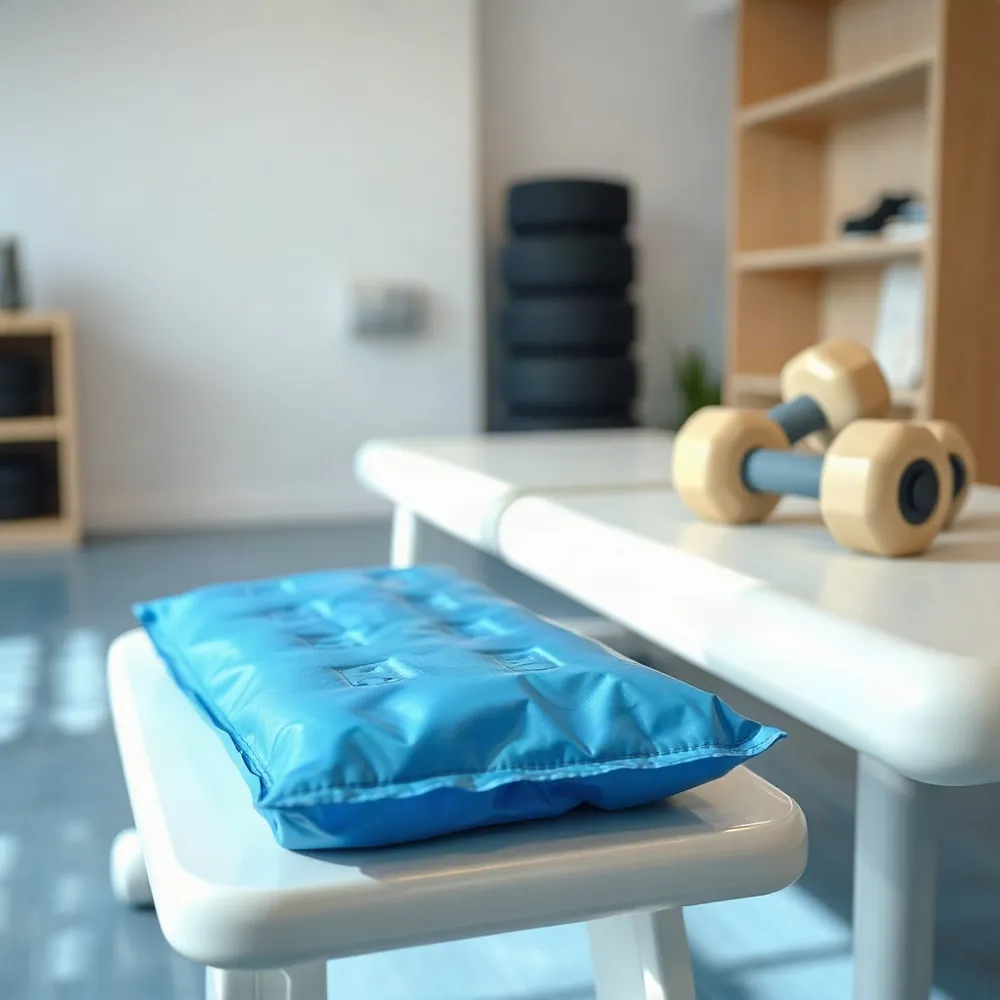 If a lift brings on elbow pain, stop that exercise rather than pushing through worsening symptoms. Rest from the movement that aggravates it, such as a painful press, dip, or repeated wrist exercise. You may continue other activities if they do not provoke pain.
For mild discomfort, rest the arm and apply ice wrapped in a cloth. A compression sleeve may feel supportive. An over-the-counter anti-inflammatory medicine may help some people, but check the product directions and whether it is suitable for your health circumstances. Cleveland Clinic’s elbow pain guidance also describes rest and ice as initial home-care options.
When symptoms improve, return to training gradually. Start with lighter weights, warm up, maintain controlled form, and increase the workload only as your elbow allows. If a movement brings pain back, pause it and give the arm more time to recover.
Pain can arise from different problems, including tendon irritation or another injury, so one home remedy will not suit every cause. Dr. Rebecca S. Yu is a board-certified orthopedic surgeon specializing in hand and upper-extremity surgery in Berkeley. A clinical examination can help identify the source and guide treatment. Seek assessment for persistent pain, weakness, swelling, numbness, or difficulty bending or straightening the elbow.
Reducing Strain During Training
To reduce elbow strain, warm up before lifting and gently stretch your shoulders, elbows, wrists, and forearms before and after training. Use controlled form, choose a weight you can manage without compensating, and increase the load gradually. Repeated gripping and twisting can irritate forearm tendons, including those involved in tennis elbow.
Balance training by strengthening the forearm muscles that flex and extend the wrist, while leaving time for recovery between workouts. Vary movements that repeatedly provoke discomfort, and pause painful exercises if soreness or stiffness lingers. At Rebecca S. Yu, MD’s Berkeley practice, care includes evaluation of elbow and upper-extremity conditions, helping identify when symptoms need more than a training adjustment.
A counterforce strap worn just below the elbow may ease strain on irritated forearm tendons during gripping or lifting. It can help some people with tennis elbow and may be appropriate for some cases of golfer’s elbow, but the right support depends on the cause of pain. A strap should feel snug without causing numbness, tingling, or changes in circulation.
Braces and straps may offer temporary relief, but they do not heal a tendon on their own. Reducing aggravating activity and following an appropriate rehabilitation plan remain important. If symptoms persist, worsen, or return whenever training resumes, seek professional advice; an evaluation can help confirm the cause and guide treatment. Rebecca S. Yu, MD specializes in hand and upper-extremity surgery, including elbow care.
Healing Timelines And Treatment Options
How long does elbow pain from weightlifting usually take to heal?
Mild pain may settle within a week or two when you reduce the strain, but tendon overuse injuries can take several weeks or longer. Tennis elbow recovery varies with the cause and degree of tendon damage, and may take months; Cleveland Clinic notes that some cases last up to 18 months (recovery and treatment for tennis elbow). Training through pain can prolong irritation. Avoid or modify movements that trigger symptoms, then return to lifting gradually as pain eases. If pain is severe, follows an injury, or does not begin improving, seek an evaluation.
Does elbow tendonitis go away, and how is it treated?
Many cases improve with nonsurgical care, though the time needed differs. Treatment may include changing aggravating activities, ice, appropriate over-the-counter pain relief, a brace, and therapist-guided exercises to restore strength and flexibility. Medication may not be safe for everyone, so follow product directions and ask a clinician if you are unsure. Dr. Rebecca S. Yu is a board-certified orthopedic surgeon specializing in hand and upper-extremity care in Berkeley, California, and evaluates elbow conditions as part of that practice.
When might elbow pain require surgery?
Surgery is uncommon for tennis elbow and may be considered when severe symptoms continue after several months of conservative treatment. It may also be needed for certain serious injuries, such as fractures or tendon or ligament tears, or when persistent pain and limited motion substantially affect daily function. An examination, and imaging when needed, helps determine the cause and appropriate treatment. Dr. Yu’s practice includes elbow care; patients can use the appointment-booking form on rebeccasyumd.com to request an evaluation.
When To Seek Medical Evaluation
 Mild elbow discomfort after a demanding workout may ease when you rest from painful movements. It should steadily improve, though. If pain persists, worsens, or returns when you resume normal activities, arrange an assessment rather than repeatedly training through it.
Contact a clinician if pain limits arm movement or everyday tasks, or if you notice numbness or tingling. These symptoms can have causes beyond tendon irritation, so an examination can help identify the problem. The Cleveland Clinic’s guidance on elbow pain also recommends medical attention when pain does not improve with home care or comes with nerve symptoms.
Seek prompt evaluation after a sudden injury, especially if you heard a snap or crack, or have severe pain, substantial swelling, bruising, sudden weakness, or difficulty moving the arm. An obvious deformity, exposed bone, or significant bleeding requires emergency care.
A clinician can review when the pain began, what movements trigger it, and how it affects your arm. Depending on the findings, an examination or imaging may help determine the cause and guide appropriate treatment. Dr. Rebecca S. Yu is a board-certified orthopedic surgeon specializing in hand and upper-extremity care in Berkeley.
A Gradual Return To Lifting
As elbow symptoms improve, restart with lighter loads and fewer repetitions, increasing gradually only when movement remains comfortable. Modify exercises that trigger pain and allow time for recovery; returning too quickly can aggravate an injury.
If pain persists, worsens, or comes with swelling, weakness, numbness, or trouble moving the arm, seek medical evaluation. At rebeccasyumd.com, Dr. Rebecca S. Yu, MD provides information on elbow care and treatment options.
A clinician can assess the cause and help guide a safe return to training. Cleveland Clinic’s guidance on elbow pain explains why ongoing or concerning symptoms warrant evaluation.