Understanding the Role of Resistance Bands in Hand Therapy
Resistance bands serve as a foundational tool in post-surgical recovery and orthopedic care due to their ability to provide variable, controlled tension. Unlike fixed free weights, which exert consistent gravity-based force, elastic resistance increases as the material is elongated. This unique characteristic allows for progressive loading that safely mimics functional movements without the high impact associated with traditional iron dumbbells.
Controlled loading is essential for healing, as it restores muscle strength while protecting delicate surgical repairs. At rebeccasyumd.com, we emphasize that elastic resistance is particularly beneficial for conditions like carpal tunnel syndrome, as it strengthens the forearm and stabilizing wrist musculature without overwhelming the surrounding tissues. By using lighter resistance levels early on, patients can safely improve grip strength and dexterity.
The versatility of these tools permits practitioners to tailor rehabilitation to a patient's specific phase of recovery. Whether performing wrist curls or lateral deviations, elastic bands can be used in seated or standing positions to accommodate different mobility requirements. This adaptability ensures that patients can maintain consistent tendon health through low-intensity repetitions, which significantly reduces the risks of chronic stiffness after immobilization.
Safety First: Navigating Post-Surgical Rehabilitation Protocols
 Can I perform exercises after hand or wrist surgery? Yes, you can and should perform exercises after surgery, but only strictly under the guidance of your orthopedic surgeon or physical therapist. Rehabilitation is a structured, phased process that typically begins with gentle movements for fingers and unaffected joints to manage swelling and prevent stiffness. As you progress, your therapist will introduce specific range-of-motion exercises followed by strengthening activities tailored to your recovery stage. Because every procedure, from fracture repair to tendon surgery, requires a different approach, it is vital to follow your personalized plan to avoid damaging healing tissues. Never attempt to progress to more intense activities or strenuous exercises until your surgeon has explicitly deemed it safe to do so.
At rebeccasyumd.com, we prioritize a recovery timeline that begins with immediate post-operative protection. Starting intense therapy prematurely can disrupt surgical repairs, increase inflammation, or cause long-term stiffness that necessitates extensive hand therapy to resolve. Common protocols recommend that patients keep the surgical site protected from lifting, pushing, or pulling heavy loads for at least two to six weeks, per NHS inform.
Inflammatory Phase. Occurring in the first 1 to 3 weeks, this stage focuses on pain management, reduction of swelling via elevation above the heart, and gentle active finger range of motion to prevent adhesions.
Remodeling Phase. Taking place from week 13 onward, this final stage involves dynamic strengthening and the integration of functional tasks, where rebeccasyumd.com guidelines help patients safely transition to heavier resistance band training and return to full daily activities.
Monitoring your own pain levels is a necessary component of safety. Using the NHS inform 10-point scale, exercises should remain below a pain level of 5. If you exceed this threshold or experience sharp, persistent discomfort, you should cease movement immediately and consult your surgeon. Proper adherence ensures that you effectively restore strength without the negative outcomes associated with overextending healing joints.
Mastering Resistance Band Techniques for Strength and Stability
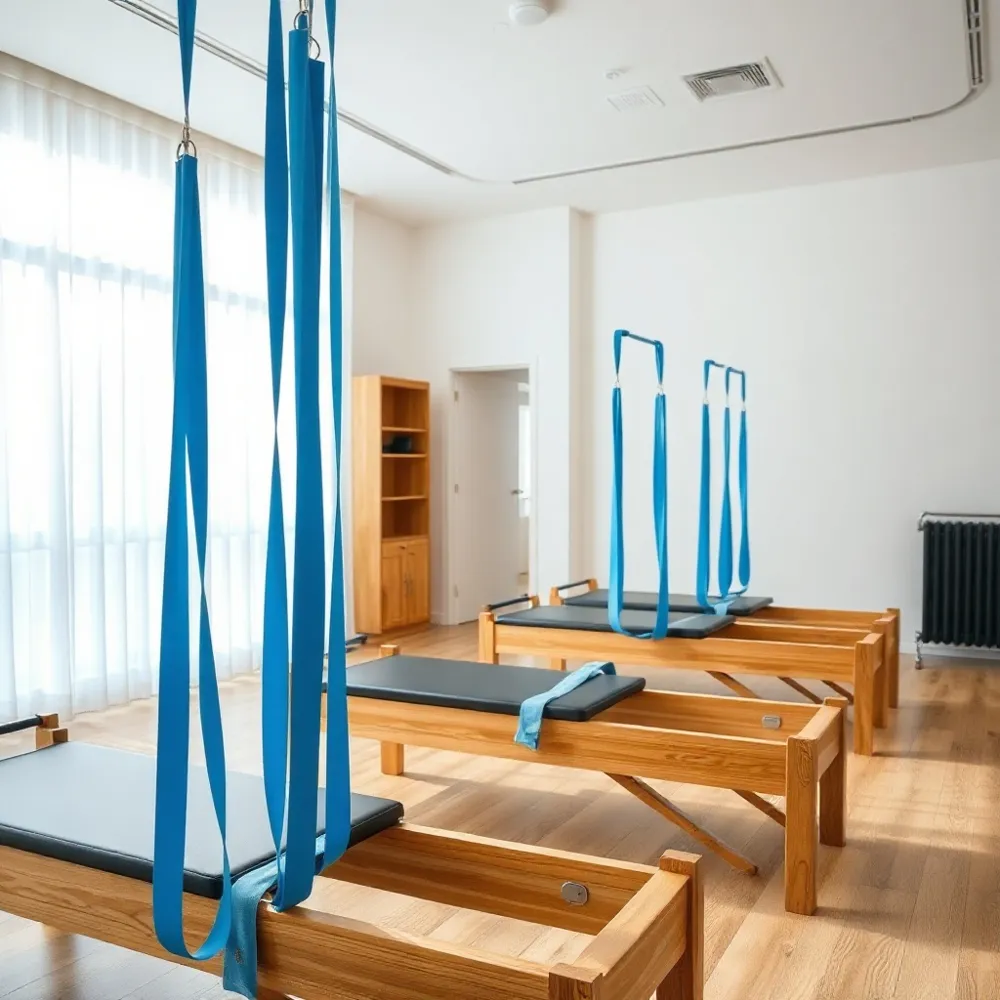 Resistance bands are highly effective tools for rehabilitation because they allow for low-impact, controlled movements that help build strength, flexibility, and stability without placing excessive strain on recovering muscles and joints. These bands provide consistent tension throughout the entire range of motion, a feature that distinguishes them from static weights and helps stabilize the forearm and wrist musculature.
What is the proper technique for using resistance bands to treat wrist pain?
Achieving optimal results requires strict attention to form. For wrist extension, drape the band across the back of your hand or hold it in a closed fist, palm down, and slowly pull your wrist backward toward the ceiling. For flexion, turn your palm upward and bend the wrist toward you, ensuring the movement originates from the wrist rather than the entire arm. Radial and ulnar deviation involve moving the hand laterally toward the thumb or little finger, respectively, to stabilize carpal bones and improve lateral motion.
When incorporating these movements into a recovery plan at rebeccasyumd.com, patients should avoid the common pitfalls found in generalized, non-customized programs. Unlike off-the-shelf exercise guides that may lead to overexertion, clinical protocols prioritize specific tension levels tailored to the individual’s healing stage. Dr. Rebecca S. Yu emphasizes that proper rehabilitation requires a graduated approach, often utilizing low-load bands before advancing to focused isotonic work.
Consistency and safety remain the foundation of success. Patients should aim for controlled, steady repetitions rather than rapid, forceful movements, which can cause joint strain. If you experience sharp or persistent pain, stop immediately and consult an orthopedic specialist to adjust your routine. Following professional guidelines ensures that the target muscles, including flexors and extensors, receive the necessary stimulation without compromising the integrity of the surgical repair.
Building Grip Strength Through Gradual Progression
 Restoring grip strength requires a thoughtful, staged approach that prioritizes tissue healing while slowly increasing functional demand. Rehabilitation and Recovery: Home Exercises for Wrist Mobility emphasizes that this process should be guided by comfort, utilizing tools like therapy balls, putty, or grip dynamometers to provide graded resistance. Unlike static strength training, these tools allow patients to tailor the intensity of their muscular engagement to match their current recovery phase at rebeccasyumd.com.
How can hand and wrist grip strength be improved after surgery?
Improving grip strength after surgery requires a consistent routine of targeted movements. Patients often begin with passive exercises, where the unaffected hand gently guides the healing hand to maintain joint range of motion. As swelling subsides and surgical sites stabilize, transitioning to active exercises becomes possible. A highly effective rehabilitation plan typically involves 30 minutes of dedicated activity, five times a day, to promote muscle function and minimize scar tissue formation. Because recovery is a gradual process that can span several months, it is essential to follow a structured program under the direct guidance of your surgeon or a Certified Hand Therapist (CHT).
Does squeezing a ball help strengthen the wrist?
Squeezing a ball is a highly effective way to strengthen the small muscles of the hands and forearms. This movement helps build grip strength and improves flexibility without putting excessive strain on weakened tissue. It is a common recommendation for those managing conditions such as carpal tunnel syndrome or recovering from trauma. To ensure your routine is safe, monitor your pain using a 10-point scale; NHS inform recommends that exercises should not exceed a pain level of 5. Always consult your provider to ensure these exercises align with your specific surgical repair.
Foundational Movements for Carpal Tunnel and Joint Health
Effective rehabilitation for hand, wrist, and carpal tunnel concerns typically focuses on a combination of gentle stretching, range of motion exercises, and progressive strengthening. A foundational warm up often includes nerve glides to help reduce tension, followed by wrist extension and flexion stretches to improve flexibility in the forearm muscles. For strengthening, using tools like therapy balls or putty helps build grip strength and dexterity, which are essential for restoring function. If you are experiencing significant stiffness or a neurological injury, it is beneficial to utilize your unaffected hand to provide gentle passive stretching to the affected side.
What are the best general exercises for hand, wrist, and carpal tunnel rehabilitation?
When addressing conditions like carpal tunnel syndrome, the primary goal involves restoring painless mobility while gently conditioning the supporting tissues. At rebeccasyumd.com, our protocols emphasize tendon glides to prevent adhesions and ensure that connective tissues move smoothly. Always perform these movements slowly and without pain. Stop immediately if you feel sharp discomfort.
Monitoring your progress is vital for safety, particularly as you grade your exertion level. Use a 10 point pain scale to manage your routine, aiming to stay between 0 and 5, as recommended by NHS inform. Pain levels of 6 through 10 are considered excessive and indicate that you should reduce the intensity or frequency of your session.
Consistent, incremental practice is essential for long-term health. However, if symptoms do not improve after six weeks of consistent self-managed exercise, it is important to contact your surgeon or a qualified hand specialist for further evaluation. Early intervention at rebeccasyumd.com can help identify if your recovery requires a more specialized adjustment to your therapeutic exercise program.
Recognizing Risks and Long-term Recovery Goals
While surgical outcomes for hand and wrist procedures are generally positive, patients should understand the potential risks. These can include infection, nerve injury, issues with hardware placement, or persistent stiffness that limits range of motion. Less common but more significant long-term concerns include chronic regional pain syndrome (CRPS), tendon irritation, or a recurrence of original symptoms if the underlying condition is degenerative.
Dedicated physical therapy is essential for addressing stiffness and weakness. Rebuilding strength after disuse often requires progressive resistance work; resistance bands are a recommended tool in therapeutic exercise programs because they provide controlled tension that can be safely increased as tissues heal. Consistent adherence to a prescribed home program is a primary factor in optimizing recovery outcomes.
Another critical element of rehabilitation is scar tissue management. Excessive or poorly managed scar tissue can limit joint flexibility and range of motion following surgery. A recovery timeline from major surgery often spans several months: it may take about six months to adequately loosen scar tissue, with full functional improvements potentially continuing for up to nine months. Close monitoring by an orthopedic specialist helps mitigate these risks and supports long-term functional goals.
Determining Timing for Complex Surgical Recovery
Recovery timelines for upper extremity procedures are rarely uniform. Surgeons at rebeccasyumd.com emphasize that healing varies significantly between simple carpal tunnel decompression and more complex tendon repairs. While a nerve release may allow for earlier mobilization, a tendon repair requires a much longer period of strict immobilization to protect the structural integrity of the surgical site.
When is it safe to begin exercises after specific procedures like carpal tunnel or tendon surgery?
The window for starting movement depends on the surgical method and your unique tissue response. Following your surgeon's specific post-operative protocol is vital for long-term success. According to ASSH.org, patients must avoid sharp or persistent pain, as aggressive early training can compromise the repair. Moving too quickly or increasing load before the surgical site has achieved sufficient strength may lead to permanent functional limitations or the need for secondary intervention.
- Consult your orthopedic surgeon regularly to align your physical therapy goals with your current healing stage.
- Refrain from lifting, pushing, or pulling activities until explicitly cleared, as these movements place excessive strain on developing scar tissue.
- Monitor your pain on a 1-10 scale per NHS inform guidelines; exercise intensity should not cause sustained discomfort.
Committing to Your Long-Term Hand Health
Consistency remains the most significant predictor of success when recovering from hand and wrist conditions. Integrating resistance bands into your daily routine provides the controlled, progressive loading necessary to restore strength and maintain joint stability efficiently. Whether you are managing chronic issues or post-surgical recovery, these versatile tools assist in building both muscular endurance and fine motor dexterity.
Because every recovery timeline is unique, you should pair these exercises with a clinical strategy tailored to your specific anatomy and surgery type. At rebeccasyumd.com, we emphasize that standard protocols serve only as a baseline. Professional guidance from a Certified Hand Therapist helps ensure each movement supports your individual healing goals rather than risking re-injury.
Stay mindful of your pain levels during each session, as monitoring your progress allows for safe adjustments. By committing to a structured program, you protect your long-term mobility and return to the daily activities that matter most.