Small Incisions, A Clearer View
Wrist arthroscopy uses a small camera and instruments passed through small incisions to examine the inside of the wrist and, when appropriate, treat a problem. It may help with selected ligament, cartilage, or joint injuries, but it is surgery and is not needed or suitable for every wrist problem.
At her Berkeley practice, Dr. Yu provides hand and wrist care, including evaluation for wrist conditions that may call for arthroscopy. The decision depends on your symptoms, examination, and imaging.
Arthroscopy gives the surgeon a direct view of wrist structures on a monitor, and small instruments can be used through additional openings when treatment is appropriate. MedlinePlus describes wrist arthroscopy and notes that extensive damage may require open surgery instead.
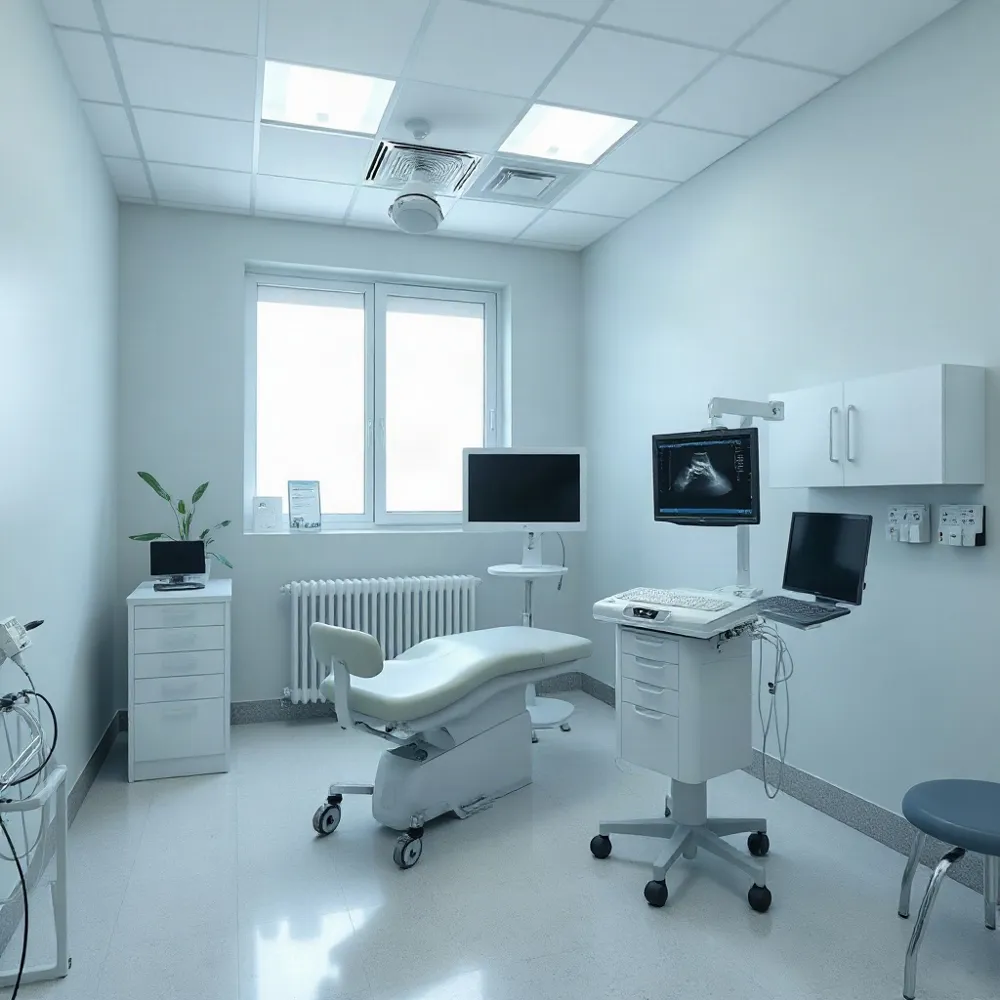
Dr. Yu offers on-site ultrasound and fluoroscopy to assist with evaluation. These imaging tools are separate from arthroscopy, which is performed in a surgical setting. The specific plan and expected recovery depend on what needs treatment.
How Arthroscopy Examines The Wrist
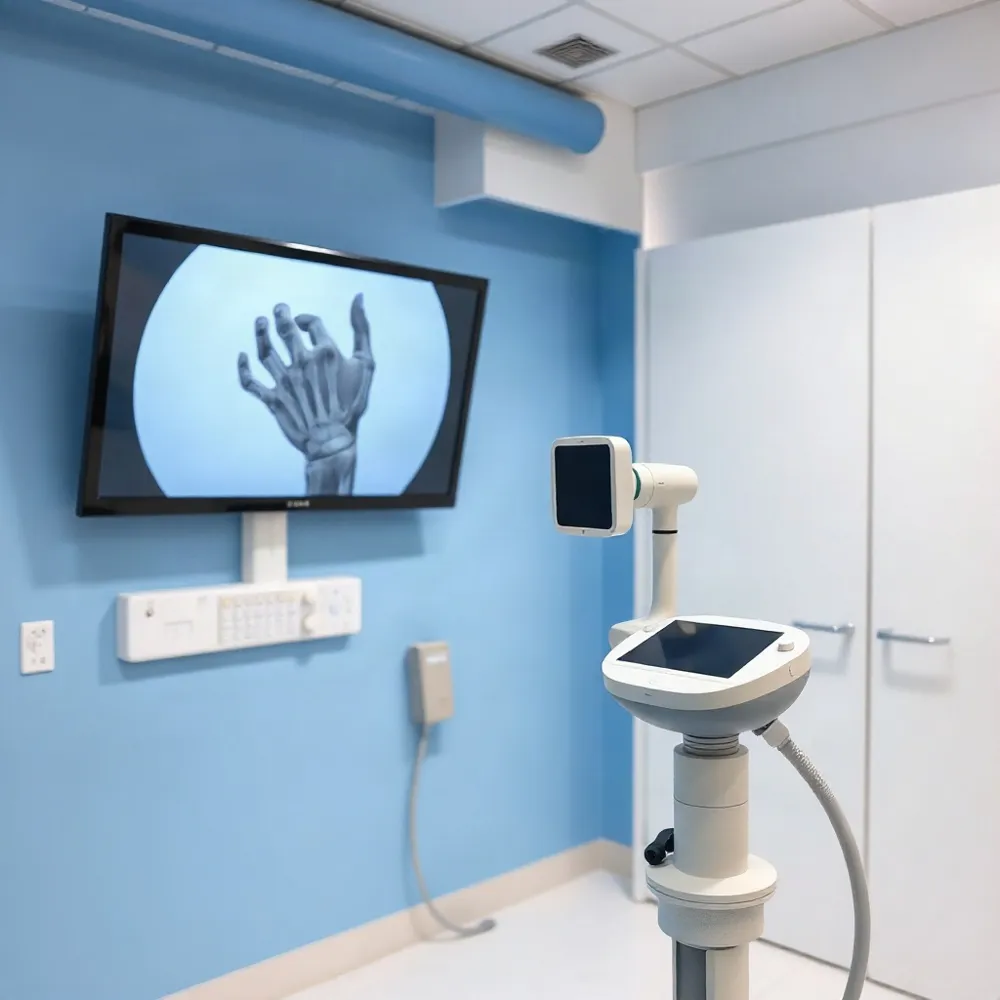 Wrist arthroscopy uses a small camera, called an arthroscope, to show the inside of the joint on a monitor. Through additional small incisions, a surgeon can pass instruments to examine or treat selected problems. Rebecca S. Yu, MD offers wrist arthroscopy as part of her hand and wrist care in Berkeley.
A direct view of the joint may help when an examination and imaging have not clearly explained symptoms. In some cases, the surgeon can identify the source of the problem and treat it during the same procedure. Arthroscopy may be considered for selected ligament or TFCC tears, cartilage damage, certain fractures, and some ganglion cysts. It is not needed for every wrist problem. MedlinePlus explains how wrist arthroscopy is used.
TFCC tears require an individual assessment
The triangular fibrocartilage complex, or TFCC, helps support the wrist on the little-finger side. Arthroscopy can help assess some TFCC injuries and, when appropriate, treat them by trimming frayed tissue or repairing the tear. Nonsurgical care may be suitable, and not every tear needs surgery.
The decision depends on the tear’s pattern, symptoms, examination, imaging, and response to nonsurgical treatment. Dr. Yu also offers on-site ultrasound and fluoroscopy, which can support evaluation of hand and wrist problems; these imaging tools are separate from the arthroscope used during surgery.
Questions patients often ask
What is wrist arthroscopy? It is a procedure that uses a small camera and instruments through small incisions to examine and treat selected problems inside the wrist. A surgeon determines whether it fits the diagnosis.
Can wrist arthroscopy treat a TFCC injury? It can help diagnose and treat some tears, but the right approach depends on the injury and the person’s symptoms. Some TFCC injuries are managed without surgery.
What conditions can wrist arthroscopy help diagnose? Arthroscopy can help evaluate ligament tears, cartilage damage, certain fractures, and some cysts. It is not needed for every wrist problem.
To discuss a wrist evaluation, book an appointment or call (510) 540-6800.
Arthroscopy And Open Surgery Differ
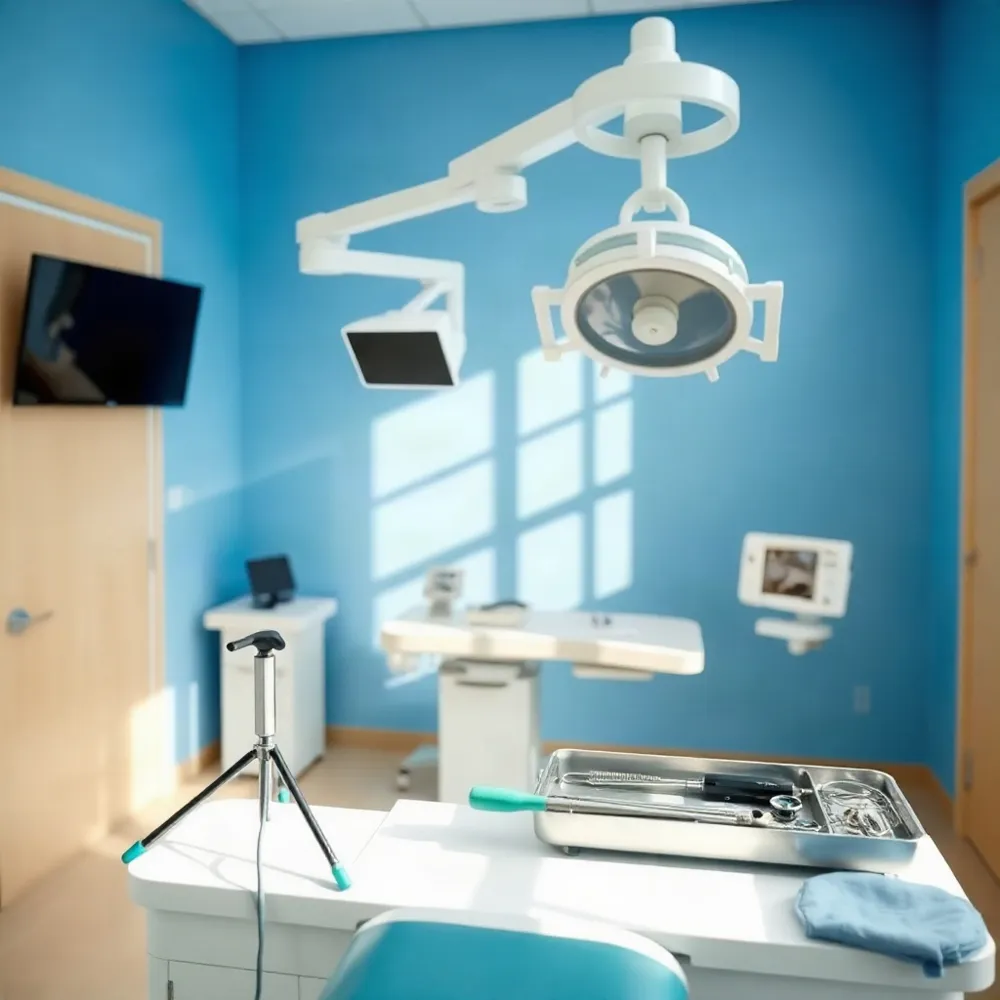 Wrist arthroscopy uses small incisions, called portals, for a camera and instruments. Open surgery uses a larger incision to reach the treatment area directly. The right approach depends on the problem and what needs to be repaired.
The camera gives the surgeon a view inside the joint, and the smaller access points may disturb less nearby tissue. These features do not guarantee less discomfort, fewer complications, or a faster recovery for an individual. Dr. Yu evaluates wrist conditions in Berkeley and offers on-site imaging, including ultrasound and fluoroscopy, when appropriate to help assess the problem.
For some conditions, arthroscopy allows treatment through the portals. If damage is extensive or a repair cannot be completed through the camera, an open approach may be needed. Wrist surgery options depend on the diagnosis, the structures involved, and the treatment required. MedlinePlus notes that open surgery may be necessary when wrist damage is extensive (wrist arthroscopy).
Wrist arthroscopy and open surgery differ in approach and use
Arthroscopy uses a camera and instruments through small incisions, while open surgery uses a larger incision to reach the area. Arthroscopy can treat some problems from inside the joint, but it is not right for every condition or repair. The method and recovery needs depend on the diagnosis and treatment plan.
To discuss your wrist symptoms and care options, book an appointment or call (510) 540-6800.
Recovery Depends On What Is Treated
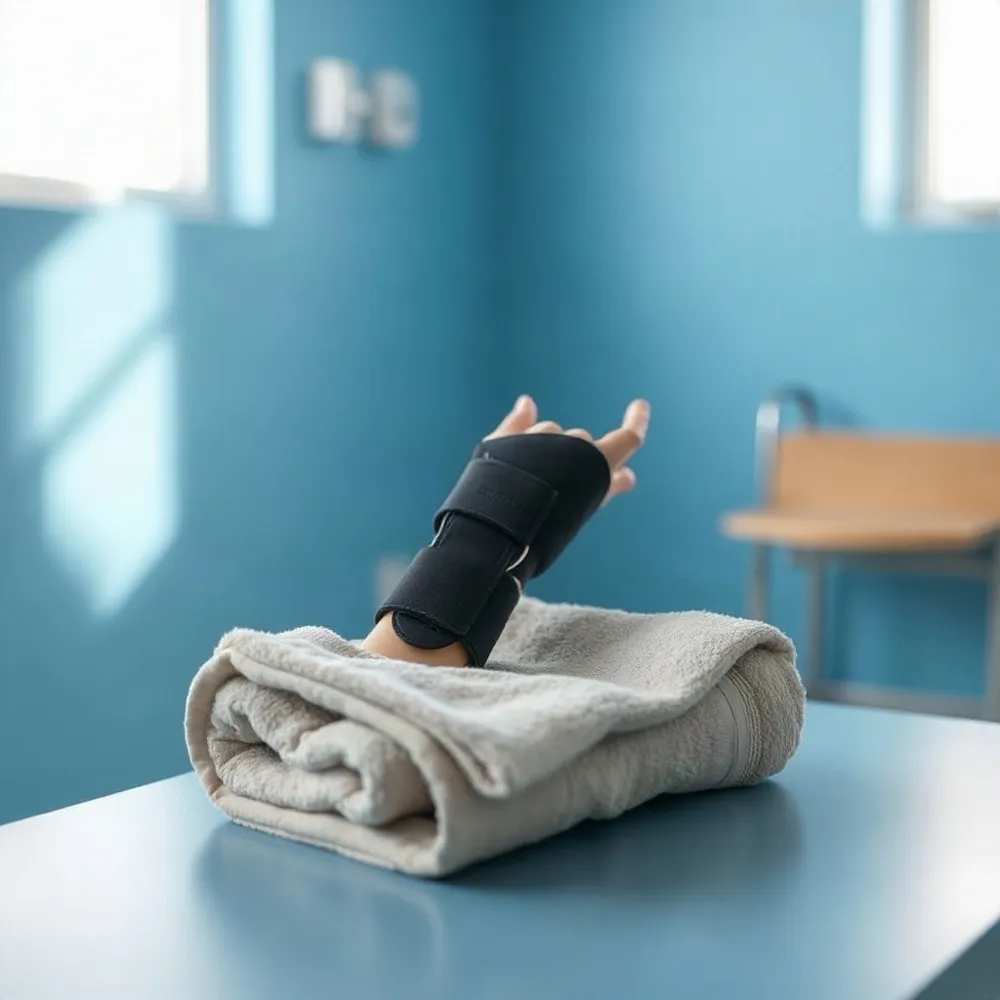 Recovery after wrist arthroscopy depends on the problem and the procedure. Trimming or removing damaged tissue may call for less protection than repairing a ligament or cartilage structure, which needs time to heal. Dr. Yu performs wrist arthroscopy as part of her hand and wrist surgery practice in Berkeley.
A splint may be recommended. Your surgeon will explain how to care for the incisions, when to begin gentle motion, and whether hand therapy is appropriate. Instructions will also cover when to increase wrist use.
Swelling, soreness, bruising, and stiffness can occur early in healing. Work, driving, lifting, and sports place different demands on the wrist, so there is no single return date that applies to everyone. Your activity plan should reflect what was treated and how your wrist is healing.
Possible risks include infection, bleeding, injury to a nearby nerve, blood vessel, tendon, or cartilage, persistent symptoms, stiffness, and complex regional pain syndrome. Sometimes the planned procedure cannot be completed as intended. A multicenter study of 10,107 wrist arthroscopies reported complications in about 6% of procedures; this group finding is not a prediction of an individual patient’s risk, and the study noted that rates varied with factors such as procedure and surgeon experience. The study of wrist arthroscopy complications provides further detail.
Before surgery, ask your surgeon what discomfort and risks are most relevant to your procedure, how long the wrist may need protection, and what signs should prompt a call. Dr. Yu also offers on-site ultrasound and fluoroscopy for evaluating many hand and wrist problems, though these are separate from arthroscopy.
Questions patients often ask
What is recovery like after wrist arthroscopy? It varies with the treatment; a splint and a gradual return to motion may be part of the plan.
What are the risks and discomforts? Temporary soreness, swelling, or stiffness can occur, and less common risks include infection or injury to nearby structures. Ask your surgeon about risks specific to your case.
How long will I need to wear a splint? Your surgeon will give specific instructions based on your procedure, but a splint is often used for a few weeks to protect the wrist during healing.
To discuss wrist symptoms or arrange an evaluation, book an appointment or call (510) 540-6800.
Questions Patients Often Ask
Wrist arthritis does not always mean fusion is the only option. The right approach depends on which areas are affected, arthritis severity, symptoms, and how much motion remains. Dr. Yu evaluates wrist problems in Berkeley and can discuss whether nonsurgical care or surgery fits your needs.
Nonsurgical options may include a brace, changes to activities, hand therapy, or an injection. For selected patients, motion-preserving surgery such as proximal row carpectomy or wrist reconstruction, replacement, or fusion may be considered. These procedures have limits and risks, and none reverses arthritis. Wrist arthroscopy is a different procedure that may be used for certain wrist problems, but it is not suitable for every patient. MedlinePlus explains that extensive wrist damage may require an open approach.
The cost of wrist arthroscopy depends on what needs to be done, where the procedure takes place, and your insurance coverage. The office can explain costs and coverage for your situation before you make a treatment decision. Dr. Yu also offers on-site ultrasound and fluoroscopy for evaluating many hand and wrist concerns.
Common questions
- What alternatives are there to wrist fusion for wrist arthritis? Depending on the condition, options may include a brace, activity changes, hand therapy, an injection, or selected motion-preserving surgery. Each has limits and risks.
- How much does wrist arthroscopy cost? Cost varies with the procedure, setting, and insurance coverage. The office can explain costs and coverage before you decide.
- How do I arrange an evaluation? Book an appointment or call (510) 540-6800.
A Plan Based On Your Wrist
Wrist arthroscopy is one option, not the right approach for every wrist problem. The diagnosis, the extent of damage, and the repair needed help determine whether it makes sense or whether another treatment is more appropriate.
Dr. Yu evaluates wrist conditions in her Berkeley practice and can review your symptoms and imaging with you. She offers on-site ultrasound and fluoroscopy, though these tools do not replace the direct view provided by arthroscopy. Ask about the expected benefits, risks, and recovery for your specific plan.
To discuss wrist care in Berkeley or the East Bay, book an appointment or call (510) 540-6800.