Finding Relief and Restoring Mobility
Reading about real experiences can provide clarity for those considering elbow surgery. Over 90% of patients who undergo elbow replacement surgery experience significant pain relief and improved joint function, allowing them to return to activities they love.
At rebeccasyumd.com, the recovery experience is grounded in clear communication, ensuring patients understand the biological timeline inherent to healing.
What is Elbow Surgery and Who Needs It?
 Elbow surgery refers to any operation on the bones or soft tissues within the elbow joint, typically performed by an orthopedic surgeon to treat persistent pain, injury, or chronic conditions that have not responded to other treatments.
You might need elbow surgery if you experience consistent, severe pain that does not improve with rest, physical therapy, or medication. Other signs include pain that worsens with activity, significant stiffness, or a limited range of motion that prevents you from performing daily tasks like bathing, dressing, or working.
Common conditions that lead to surgery include persistent tennis elbow (tendinitis), ligament tears from sports injuries, fractures that cannot heal without stabilization, severe arthritis, and nerve compression such as cubital tunnel syndrome. When nonsurgical methods like rest, anti-inflammatories, or injections are no longer effective, an orthopedic surgeon can help determine if surgery is the right path forward.
Real Stories: Triumph Through Surgery
Reading about the experiences of others who have undergone elbow surgery can replace fear with confidence. Real recovery stories highlight that the pain and stiffness driving someone to surgery need not define their life. Over 90% of patients who undergo elbow replacement report significant pain relief and improved function, enabling a return to the activities they love.
From Surfing Accident to International Competition
Damon T, a 56-year-old retired police officer and lifelong athlete, shattered his radial head while surfing in January 2025. Told his elbow was too damaged for traditional repair, he sought care from a specialist who recommended a radial head replacement. The procedure was performed through a small lateral incision, and Damon returned home the same day. By June 2025, he had flown to Birmingham, Alabama, to compete in the World Police and Fire Games. He won eight medals, including four golds, and his relay teams set three world records.
Rebuilding a Painter's Career
For Carol Thomas, a 62-year-old portrait artist from Chicago, a fall on a sidewalk shattered her left olecranon and threatened her life's work. After a successful surgery with a specialized fracture plate, Carol wore a cast for six weeks and completed four weeks of occupational therapy. Six months later, she was back in her studio painting three to four hours daily, a full-time career she had feared was over.
Overcoming Daily Pain and Regaining Function
Colleen Ridlin landed hard on pavement, breaking her elbow into eight or nine pieces. After a prompt appointment and two surgeries with Dr. Jonathan Guevara, Colleen reports gaining steady improvements in extension and flexion. She says she feels "more normal and functional now," a sentiment shared by many patients who initially feared they would never regain use of their arm.
A common thread runs through these diverse scenarios – whether it is a surfer returning to competition, an artist reclaiming her career, or patients simply wanting to resume CrossFit workouts or pitch a baseball. The initial fear of surgery gives way to gratitude toward the surgical and rehab team. These real stories confirm that with the right specialist and a structured recovery plan, elbow surgery does not just repair a joint; it restores a person's quality of life.
What to Expect: The Surgery and Immediate Recovery
Most elbow surgeries are outpatient procedures, meaning you go home the same day. The operation itself usually takes one to two hours, followed by one to two hours in a recovery room as the anesthesia wears off. Your surgeon may use a regional nerve block to numb the arm, general anesthesia, or both, depending on the complexity of the procedure.
After the surgery, you will be discharged with clear instructions for at-home care. Because you cannot use your arm normally, arrange for someone to drive you home and assist with daily tasks like cooking and dressing. Patients who choose a specialized surgeon like Dr. Rebecca S. Yu benefit from a detailed post-operative plan that covers incision care, pain control, and proper sling use from day one.
The First Few Days: Pain, Swelling, and Support
In the first few days, expect some pain and swelling. Keeping the arm elevated and using ice packs as directed helps manage discomfort. Simple adjustments, such as planning easy-to-wear outfits and avoiding soaking the surgical site, make recovery smoother. Most patients find that light activities like walking are encouraged early on, but driving is typically not permitted until the sling is no longer needed.
Common side effects include temporary numbness or tingling if a nerve was affected during surgery. Patients should contact their healthcare provider immediately if they develop a fever, abnormal wound discharge, severe bleeding, or worsening pain.
For many patients, the structured recovery plan overseen by an experienced orthopedic surgeon, such as Dr. Rebecca S. Yu, provides the confidence and support needed to heal safely at home while avoiding complications.
Managing Pain and Understanding Recovery Challenges
Recovery from elbow surgery can be uncomfortable because the joint is a confined space packed with tendons, ligaments, and nerves that are disturbed during the procedure. The body's inflammatory response, while necessary for healing, contributes to swelling and soreness in the first weeks. Understanding what to expect helps patients manage symptoms and stay on track.
Significant pain is normal for the first two weeks after surgery, though it typically decreases each day. Prescribed medications and anti-inflammatories help control this initial discomfort. Ice packs applied as directed can further reduce swelling and soothe the area. Some tenderness may persist for up to six weeks, but it usually continues to lessen daily. Following the surgeon's guidance on medication, activity restrictions, and rehabilitation is the most effective way to manage pain and prevent stiffness.
Common Side Effects and When to Call Your Doctor
Swelling, stiffness, and bruising around the surgical site are expected and typically improve within 10 to 14 days. Minor bleeding may also occur initially. Joint stiffness is common, and patients are often advised not to rely on a sling longer than necessary, as early gentle movement prevents scar tissue from limiting motion. More serious but less common risks include infection, nerve damage, or problems with surgical hardware. Patients should contact their healthcare provider immediately if they experience fever, abnormal wound discharge, numbness, severe bleeding or swelling, or worsening pain.
Setting realistic expectations for regaining motion and strength is equally important. Complete recovery of flexibility and strength can take several months to a year, depending on the procedure. Patients at rebeccasyumd.com receive clear post-operative instructions and a tailored rehabilitation plan that supports gradual return to daily activities.
The Road to Full Recovery: Rehab and Regaining Strength
 Recovery from elbow surgery follows a predictable path: the incision heals within a few weeks, but regaining full strength and range of motion can take from a few months to a full year. The exact timeline depends on the procedure performed, your age, and how closely you follow your rehabilitation plan.
The Role of Physical Therapy
Physical therapy is the central pillar of a successful recovery. It begins gently within the first week with surgeon-approved range-of-motion exercises to reduce stiffness and promote circulation. By weeks four to six, guided physical therapy starts in earnest, focusing on rebuilding flexibility and joint function.
A board-certified orthopedic surgeon like Dr. Rebecca S. Yu works closely with each patient to design a personalized therapy plan. As noted at the Hoag Orthopedic Institute, this structured approach helps patients regain mobility and avoid long-term complications.
Exercises That Build Strength
Rehabilitation exercises progress from passive movements to active strengthening. Early on, passive forearm rotations (using your good hand to guide the injured arm palm-up and palm-down) help maintain flexibility. As healing allows, you add active resisted extension to engage the triceps, followed by fist clenches, towel twists, and light wrist flexion and extension. Your physical therapist will adjust the regimen as you improve.
Tips for a Smooth Recovery
- Follow your surgeon's post-operative instructions exactly, including wearing a sling and managing pain with prescribed medications.
- Attend every physical therapy session and do your home exercises as directed.
- Avoid heavy lifting and any activity that causes pain – your body sets the pace.
- Keep the surgical site clean and dry to prevent infection.
- Eat a balanced diet rich in protein and Vitamin C to support tissue healing.
- Use ice packs as directed to control swelling in the first few days.
Individual results vary, but patients who commit to their rehab typically return to their daily routines and favorite activities. At Dr. Yu's practice in Berkeley, CA, every patient receives a customized recovery timeline and ongoing support to ensure the best possible outcome.
Life After Elbow Surgery: Lasting Results and Quality of Life
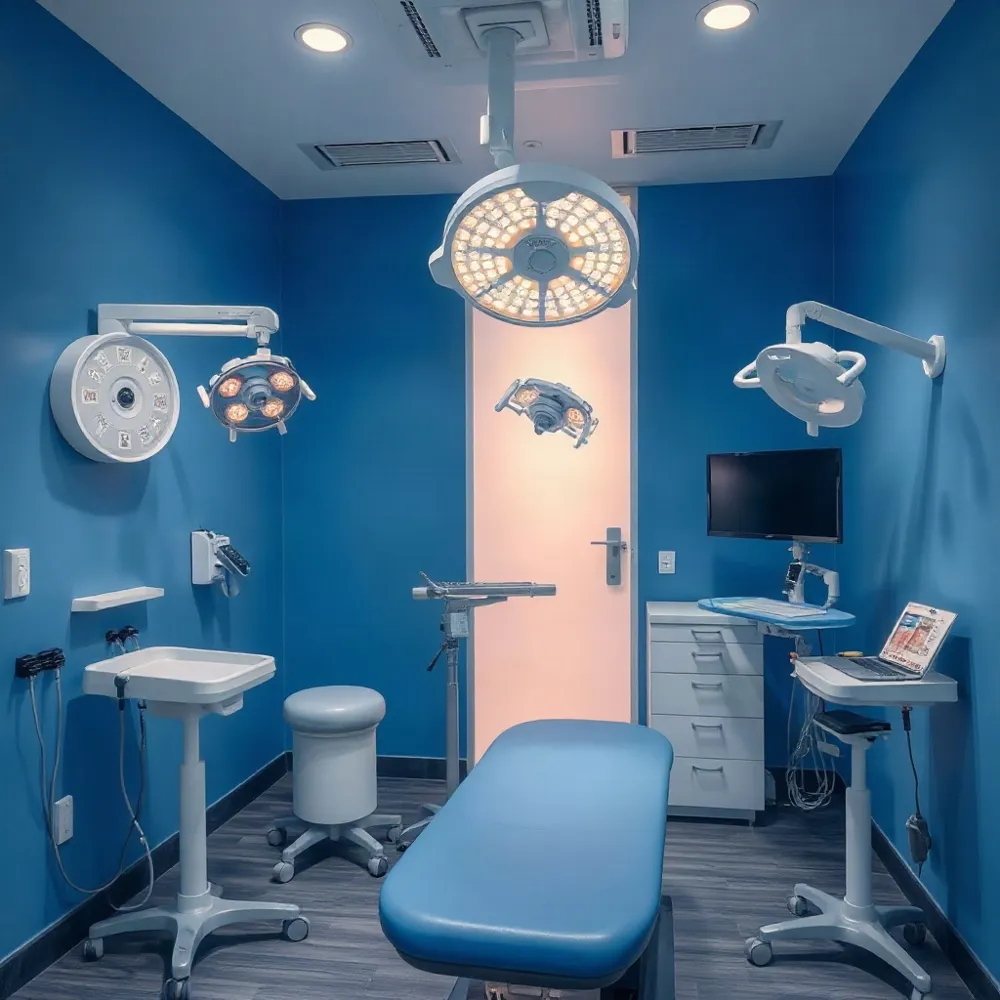 The primary goal of elbow surgery, whether a joint replacement or fracture repair, is to deliver lasting pain relief and restore function so patients can return to the activities they love. Research indicates that over 90% of patients who undergo elbow replacement experience significant pain relief and improved joint function, allowing them to resume daily routines and hobbies without limitation.
This high success rate is reflected in the experiences of patients who have worked with specialists like Dr. Rebecca S. Yu in Berkeley, CA. Patients often report that post-surgery life feels more normal, with the freedom to participate in sports, return to demanding careers, and enjoy simple tasks that were once painful.
Returning to Sports and Active Hobbies
For many, the measure of a successful surgery is the ability to return to athletic pursuits. Patient stories demonstrate that a full return to competition is possible. Damon T., a 56-year-old retired police officer and lifelong athlete, underwent a radial head replacement after shattering his elbow while surfing. Within months, he was back in the water and competed in the World Police and Fire Games, medaling in eight races and setting three world records.
Similarly, collegiate baseball pitcher Tony Cantelo got back on the mound, and triathlete Angelica Leon fulfilled her dream of competing after her own procedure. Even in non-competitive contexts, individuals like those at the Hand Wrist & Elbow Institute have returned to demanding workouts like CrossFit. Dr. Rebecca S. Yu works with patients to set realistic recovery goals tied to their specific athletic passions.
Resuming Careers and Creative Passions
The ability to return to work is a critical milestone. Portrait artist Carol Thomas, who could not paint after fracturing her olecranon, was back to creating large-scale works full-time just six months after her procedure. She credits a specialized fracture plate and dedicated occupational therapy with returning her full range of motion.
Other patients, like those featured by the Hand to Shoulder Center, have reported regaining enough function to manage daily tasks, care for their families, and perform their jobs without pain. The joint stability restored by surgery often enables a return to physically demanding careers that were previously impossible.
How Long Do Elbow Implants Last?
A key consideration for those undergoing total elbow arthroplasty is the durability of the prosthetic implant. Research shows that modern implants can have a long functional lifespan. Systematic reviews tracking cases with more than 10 years of follow-up indicate that the majority of total elbow replacements remain functional for over a decade. Many patients can expect their elbow replacement to last 10 to 15 years or longer with proper care, though some may eventually require revision surgery due to normal wear.
Factors influencing implant longevity include the patient's activity level, the precision of the surgical technique, and adherence to post-operative guidelines. Dr. Rebecca S. Yu provides detailed guidance on protecting your implant and maximizing its functional life.
| Quality of Life Outcome | Typical Timeline | Example Patient Story |
|---|---|---|
| Return to daily activities | 4 to 8 weeks | Carolyn Vermett (elbow reconstruction) |
| Return to low-impact sports | 3 to 6 months | Damon T. (swimming competition) |
| Return to high-impact sports | 6 to 12+ months | Tony Cantelo (collegiate baseball) |
| Return to fine-motor work | 3 to 6 months | Carol Thomas (professional painting) |
Take the First Step Toward Recovery
For many patients, elbow surgery represents a turning point. Studies show that over 90% of individuals who undergo elbow replacement experience significant pain relief and improved joint function, allowing them to return to the activities they enjoy. The decision to have surgery is a personal one, but the potential to restore mobility and reduce long-term discomfort makes it a life-changing option for those with chronic pain or unresolved injuries.
The journey begins with a conversation with a specialist who can evaluate your specific condition and goals. Dr. Rebecca S. Yu, a board-certified orthopedic surgeon in Berkeley, CA, creates personalized treatment plans tailored to each patient's needs. From diagnosis through rehabilitation, her approach combines surgical expertise with comprehensive support, ensuring you have a clear path forward.
If you are ready to explore how elbow surgery could improve your quality of life, schedule an appointment with Dr. Yu's office at 510-540-6800. Taking that first step could set you on the road to lasting relief and renewed function.