
Why Tendon Recovery Takes Time
Tendons connect muscles to bones, transferring the force that makes movement possible. When injured, they need time to heal, and the pace depends on which tendon is affected, the extent of the damage, treatment, and individual health.
After repair, several weeks of protection may be needed before activity can increase gradually. Restoring full motion and strength can take months. For finger extensor repairs, an NHS guide notes that regaining previous tendon strength may take up to three months, but its instructions apply to that specific repair, not every injury (finger extensor tendon repair guidance).
At rebeccasyumd.com, Dr. Rebecca S. Yu provides care for hand and upper-extremity conditions, where recovery plans must reflect the injury and repair. Follow your treating surgeon’s and therapist’s instructions on protection, exercises, and activity progression rather than relying on a single timeline.
Healing Stages and Nonsurgical Recovery
 Tendon healing moves through three overlapping stages, but the pace depends on the injury and the person. Inflammation starts soon after damage, as the body responds and clears injured tissue. During repair, new collagen forms across the injured area. Remodeling follows as those fibers reorganize and mature under gradually increasing load, helping the tendon regain strength and function. This final stage can continue for months, so activity should advance with guidance from a clinician.
A mild or partial tear may sometimes be treated without surgery. Depending on the tendon and the extent of damage, care may involve modifying activities, protecting the area with a splint or brace, and following a guided therapy plan. A complete tear, major loss of movement, or an injury that fails to improve may need surgical repair. Dr. Rebecca S. Yu is a board-certified orthopedic surgeon specializing in hand and upper-extremity surgery, where assessment can help distinguish injuries that may respond to nonsurgical care from those that need repair.
Mild injuries may take weeks to improve. Repaired tendons often need roughly 8 to 12 weeks for substantial healing, with several more months sometimes needed to regain motion and strength. For finger extensor repairs, NHS guidance notes that the tendon may take up to three months to regain its previous strength and stresses following the prescribed therapy precautions (NHS rehabilitation guidance). Individual recovery plans differ; hand tendon rehabilitation can help patients understand how progress is monitored.
Seek prompt assessment after a sudden injury or deep cut, or if you cannot bend or straighten a finger or wrist normally. Do not assume a tendon will heal on its own: early evaluation helps identify the injury and determine an appropriate treatment plan.
Hand Repair and the First Months
After a hand or finger injury, the surgeon checks movement and assesses nearby structures, such as nerves, blood vessels, and bones. Imaging may help clarify the location and extent of the tendon damage when needed.
During surgery, the surgeon locates the tendon ends and stitches them together. The hand is then protected in a splint, which may hold the wrist and fingers in a position that reduces strain on the repair. For finger extensor repairs, NHS rehabilitation guidance describes early splinting and hand therapy to protect the tendon as movement is gradually restored.
Therapy timing depends on the injury and the surgeon’s plan. A hand therapist may begin controlled exercises within days or arrange an initial appointment within the first 10 days. These exercises are designed to help the tendon glide while limiting strain. At Rebecca S. Yu, MD’s Berkeley practice, hand and upper-extremity care includes evaluation and treatment planning tailored to the injury.
Several weeks of protective splinting are common, often around three to six weeks, but the exact schedule varies. Light activities may be possible around six to eight weeks, while heavier tasks or sports often take ten to twelve weeks. These are general milestones, not automatic clearance dates.
Stiffness can linger, and full range of motion may take up to six months. Do not use the injured hand or advance exercises until the treating team approves; using it too soon can damage the repair. Follow the surgeon’s and therapist’s specific instructions, since tendon type, repair, and individual healing all affect the pace.
Protecting the Repair During Recovery
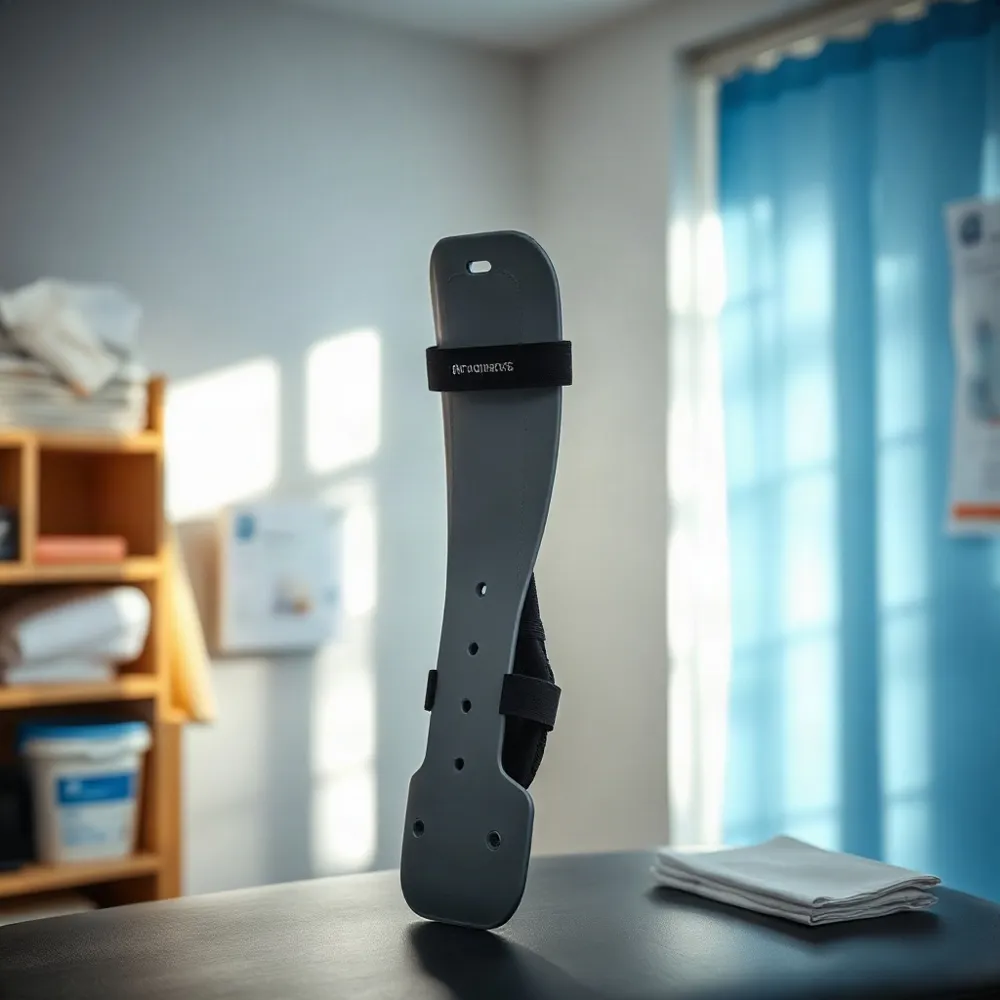 Some pain, swelling, bruising, and stiffness are common after tendon surgery, particularly in the first few days. Keeping the operated area raised above heart level when resting may help limit swelling. Discomfort should gradually improve; worsening or persistent pain deserves a call to the surgeon.
A splint and dressing protect the repair while it heals. Keep them in place, clean, and dry, and do not adjust or remove them unless your care team instructs you to. Until the wound has healed, avoid soaking it in a bath, pool, or hot tub. Instructions differ by repair, so follow the plan provided by your surgeon and therapist.
Avoid strenuous activity and do not use the repaired hand beyond the movements your care team has approved. A hand therapist can guide exercises and adjust them as healing progresses. For finger extensor repairs, NHS rehabilitation guidance stresses that exercise and splint use should follow the therapist’s direction. Trying to speed up recovery by adding activity can put the repair at risk.
Smoking may impair healing; ask your clinician about support for stopping. Follow medical advice about driving and medication, and do not drive while taking narcotic pain medicine. Contact the surgeon about pain that worsens or fails to ease, or any concern that the wound is not healing.
Recognizing Infection or Repair Failure
 Some swelling, bruising, tenderness, and stiffness can occur during recovery. Contact your surgeon if these symptoms worsen, spread, or appear after you had begun to improve.
Signs of infection can include spreading redness, warmth, increasing swelling or tenderness, pus-like or foul-smelling drainage, a wound that opens, or fever. Patient guidance for finger extensor tendon repair also advises seeking medical advice for increasing redness, warmth, pain, or an unpleasant smell.
A sudden pop or snap, new sharp pain, a gap near the repair, or loss of movement or strength you had regained may signal a rupture. Stop the activity and contact your surgical team promptly. Do not test the repair by trying to move or load it.
Seek urgent medical assessment for severe or rapidly worsening symptoms, rapidly increasing swelling, or fingers that become pale, blue, or cold. Follow the movement restrictions and care instructions provided by your surgeon and hand therapist.
Rebecca S. Yu, MD, is a board-certified orthopedic surgeon specializing in hand and upper-extremity surgery in Berkeley, with care information covering hand, wrist, and elbow conditions. Report concerning changes to your treating team rather than waiting for a routine appointment.
Biceps Repair Has Its Own Timeline
A distal biceps tear occurs near the elbow, so its treatment and recovery differ from those for a hand tendon. A complete tear should be assessed promptly because the tendon does not reattach to the bone on its own. An orthopedic specialist can determine the injury’s extent and discuss whether repair is appropriate.
The decision depends on tear severity, overall health, daily needs, and whether the patient can follow a rehabilitation plan. Surgery may be considered when restoring strength for forearm rotation or demanding work matters; some partial tears can be managed without surgery. Rebecca S. Yu, MD specializes in hand and upper-extremity surgery and evaluates injuries in the context of each patient’s function and treatment options.
After distal biceps repair, a splint or elbow brace may protect the arm for four to six weeks. Rehabilitation typically starts after the brace is removed and lasts about two months, while the muscle generally takes three to four months to heal, according to Alberta Health’s distal biceps repair guidance. These are estimates, not guarantees.
Some daily activities and desk work may be possible sooner, but lifting, pushing, pulling, and sport place greater demands on the repair. Return depends on progress and the surgeon’s clearance, not the calendar alone. Dr. Yu’s upper-extremity practice offers assessment and treatment planning for patients weighing those functional demands against recovery.
Let the Repair Set the Pace
Recovery after tendon repair unfolds in stages, not on a universal deadline. For finger extensor repairs, an NHS rehabilitation guide notes that regaining previous tendon strength can take up to three months, but individual progress varies.
Follow the instructions of your surgeon and therapist, who can tailor protection and activity to your repair. Rebecca S. Yu, MD, is a board-certified orthopedic surgeon specializing in hand and upper-extremity surgery. Seek prompt assessment for sudden loss of function or worsening symptoms.