
Work Resumes One Step at a Time
After elbow surgery, when is it safe to return to work? There is no universal timetable. The operation, progress in healing, and the tasks a job requires all shape the answer. Dr. Rebecca S. Yu, MD, is a board-certified orthopedic surgeon specializing in hand and upper-extremity care in Berkeley, where patients can discuss work demands as part of their treatment planning.
Many elbow procedures are performed on an outpatient basis, so patients may go home the same day. That does not mean the elbow is ready for work: wounds need time to heal, and using the joint comfortably again takes longer. Recovery may also involve gradual physical therapy to rebuild motion and strength. Cleveland Clinic advises patients to ask their surgeon for an individual return-to-work plan, rather than assume discharge signals readiness.
The Operation Shapes Recovery
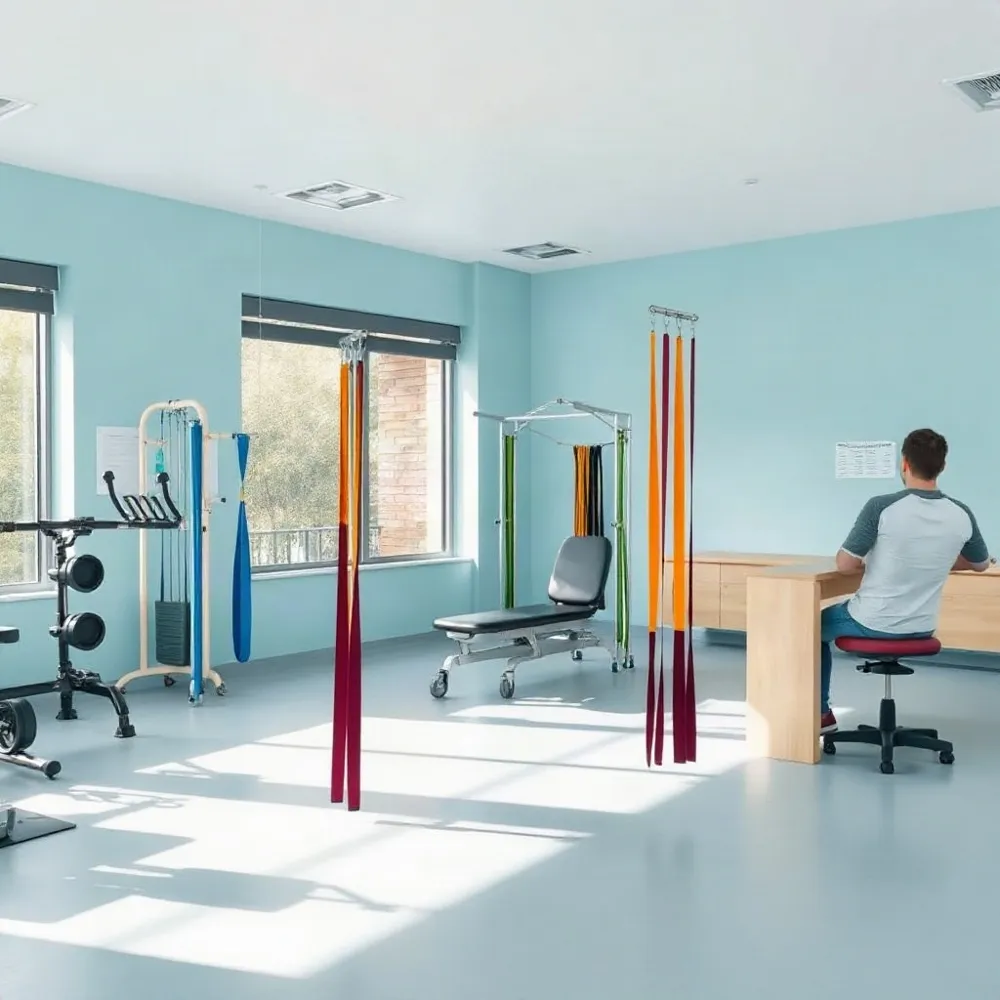 Elbow surgery is not one single operation. The procedure depends on the condition being treated and its severity, so the surgical plan also shapes recovery and the eventual return to work.
Common procedures include arthroscopy, tendon repair or release, fracture fixation, ligament reconstruction, nerve release, and elbow replacement. Surgery may be considered when persistent pain or impaired function has not improved with nonsurgical care, or when an injury needs operative treatment. An orthopedic evaluation helps identify the cause and guide treatment.
Arthroscopy uses a camera and specialized instruments inserted through small incisions. Compared with open surgery, it generally involves less pain and fewer healing complications, and may allow rehabilitation to start sooner. Open surgery may be more practical for urgent, complex, or extensive problems. These differences matter when planning recovery, but the approach alone cannot set a return-to-work date. The Cleveland Clinic’s overview of elbow surgery explains how the procedure and individual recovery affect timing.
Many elbow operations take one to two hours, followed by observation while anesthesia wears off, and patients often go home the same day. Those details describe the operation and immediate care, not how long someone will be away from work. Dr. Rebecca S. Yu, MD, is a board-certified orthopedic surgeon specializing in hand and upper extremity surgery in Berkeley; patients can discuss the diagnosis, procedure, and work expectations during an orthopedic evaluation.
Healing Takes Longer Than Incisions
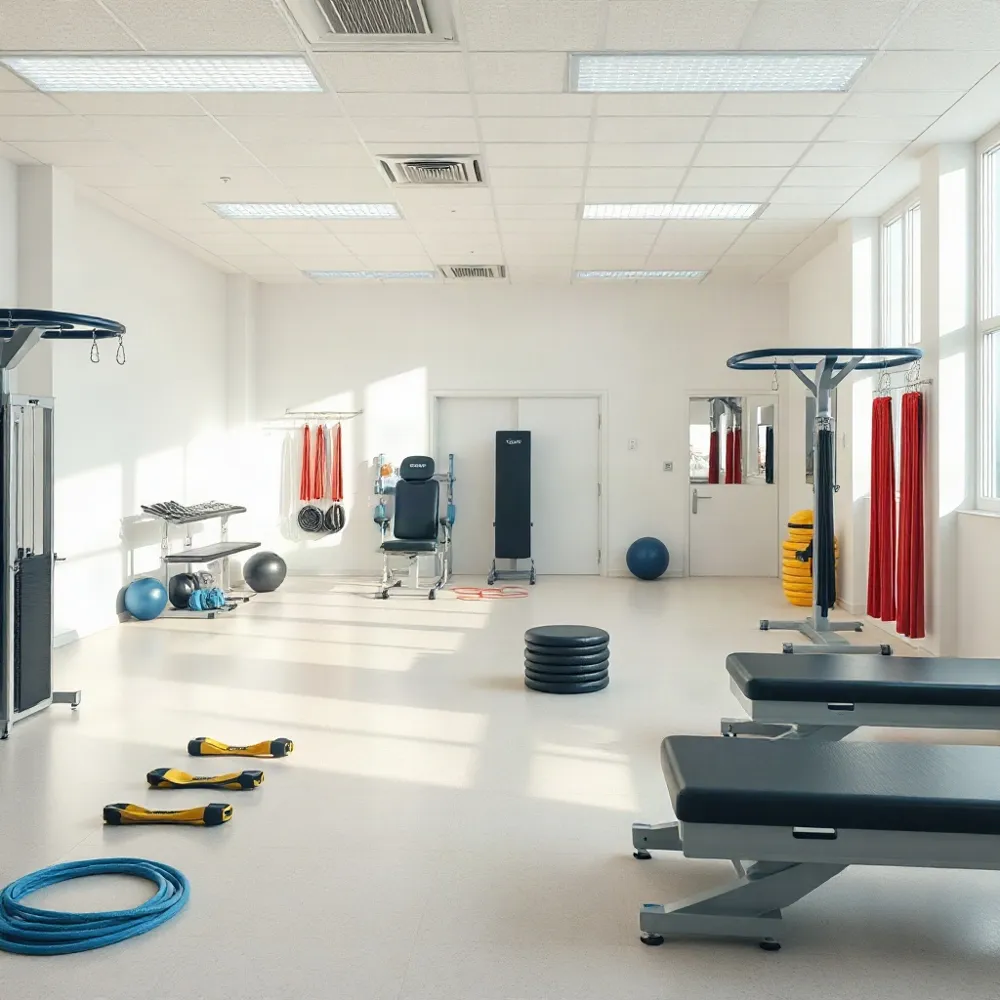 How long does it take to recover from elbow surgery? Incisions generally need at least a few weeks to heal, but using the elbow comfortably again takes longer. The pace depends on the procedure and individual healing, so there is no single recovery date that applies to everyone. Cleveland Clinic’s elbow surgery guidance recommends asking the treating surgeon for an individual timeline.
Physical therapy is an important part of recovery. After the wounds have healed, a therapist can guide gradual exercises to rebuild flexibility and strength. Therapy may continue for several months to a year, depending on the operation and progress. At her Berkeley practice, Rebecca S. Yu, MD, provides information about elbow treatment and rehabilitation, while the patient’s own surgeon sets the appropriate plan.
Recovery after surgery for a broken elbow, including open reduction and internal fixation (ORIF) with plates and screws, depends on the fracture and how it heals. Follow-up visits and imaging may help the care team check progress, but the available guidance does not support a universal healing timeline for this repair.
When can you straighten your arm and regain full mobility? Surgeons may allow movement at different stages, depending on the operation and healing. Useful motion can return before full mobility, and progress may take weeks or months. Follow your prescribed instructions, and ask before changing exercises or advancing activity. Do not force the elbow straight or push through painful, restricted movement.
Match Work Plans to Job Demands
 When can I return to work after elbow surgery? There is no single date that applies to every operation. Timing depends on the procedure, how the elbow heals, and what your job requires. Your treating surgeon is best placed to advise when your specific duties are safe to resume.
Desk work may place little demand on the elbow, while repetitive arm movements, forceful gripping, lifting, or physical labor can challenge a healing joint and repair. A job title alone may not tell the whole story: explain the tasks you perform, how often you use the affected arm, and whether you can adjust your duties temporarily.
The Cleveland Clinic’s elbow surgery guidance does not give a universal number of days or weeks before returning to work. Many elbow operations are outpatient procedures, but going home the same day, or knowing how long the operation took, does not indicate readiness to work.
Before surgery or at a follow-up visit, ask when to resume work and household chores, how long pain relief or physical therapy may be needed, and when the elbow will be ready for physical labor. Discuss whether temporary modified duties or a gradual return could fit your recovery. Any plan should follow your surgeon’s advice rather than a schedule assumed to suit everyone.
Dr. Rebecca S. Yu, MD, a board-certified orthopedic surgeon specializing in hand and upper-extremity surgery in Berkeley, provides information about elbow treatment and care through recovery. Ask your own surgical team for instructions covering work, wound care, pain control, sling use, bathing, sleep, driving, and follow-up visits, so your return plan accounts for both healing and workplace demands.
Driving and Physical Duties Need Clearance
When is it safe to drive after elbow surgery? There is no single timeline. Your surgeon’s instructions, your ability to control the vehicle safely, and the effects of any pain medicine all matter. Ask about driving before leaving your postoperative appointment, and do not drive if medication makes you drowsy or your arm limits safe control.
Going home the same day as surgery does not mean you are ready to drive or return to work. The care team should explain when to resume driving, chores, and other activities, based on your operation and recovery. Cleveland Clinic likewise advises patients to get individualized guidance rather than rely on a standard return date (elbow surgery recovery guidance).
When can you lift weights or resume strenuous activity? Ask your surgeon when your elbow is ready for lifting, repeated arm movements, sports, or physical labor. These activities place different demands on the joint, and healing restrictions depend on the procedure. Follow your care plan instead of treating general estimates as personal clearance.
Rehabilitation also shapes the pace of activity. Ask how long therapy may continue and what signs of progress should guide the next step. Dr. Rebecca S. Yu, MD, a board-certified orthopedic surgeon specializing in hand and upper-extremity surgery in Berkeley, provides information about treatment and recovery through rebeccasyumd.com. Her patients should follow the instructions of their treating surgeon and increase activity only as directed.
Support Recovery and Watch for Problems
What side effects or complications can occur after elbow surgery? Pain, swelling, and stiffness may occur as the elbow heals. Less common complications include blood clots, infection, excessive bleeding, and nerve injury, which can cause numbness or tingling. Contact your healthcare provider promptly if you develop a fever, unusual wound drainage, numbness or tingling, severe bleeding or swelling, or pain that is worsening and cannot be relieved. Cleveland Clinic’s elbow surgery guidance outlines these warning signs and advises patients to seek care.
What can I do to support recovery after elbow surgery? Follow your care team’s instructions for wound care, pain control, sling use, activity, and follow-up visits. Once the wound has healed, a physical therapist can guide gradual exercises to restore flexibility and strength. The timing and exercises depend on the operation, so do not substitute another patient’s recovery plan for your own.
At appointments with Rebecca S. Yu, MD, patients can discuss procedure-specific care and recovery questions with a board-certified orthopedic surgeon who specializes in hand and upper-extremity surgery. Ask when to begin therapy and when it is appropriate to resume work, sports, or physical labor.
How can I sleep comfortably with a broken or surgically repaired elbow? Follow your surgeon’s directions about sleeping position, sling use, and supporting the arm. Since comfort measures can depend on the injury and repair, ask the care team what is appropriate rather than adopting a general protocol.
Some Fractures Heal Without Surgery
Not every elbow fracture requires an operation. Whether nonsurgical care is appropriate depends on the fracture and an orthopedic assessment, often including imaging. If you suspect a fracture, seek clinical evaluation rather than trying to judge its severity or recovery time yourself.
How long does a minor elbow fracture take to heal without surgery? The available sources do not give a specific timeline. Recovery varies with the injury, and follow-up visits and X-rays may help the clinician check how the bone is healing. Dr. Rebecca S. Yu, MD, is a board-certified orthopedic surgeon specializing in hand and upper-extremity care in Berkeley; her practice provides information on elbow conditions and treatment options at rebeccasyumd.com.
Follow the treating clinician’s instructions about movement, protection, and activity. Moving the elbow too soon or restricting it longer than advised may affect recovery, so ask when to begin motion and what activities are safe. Cleveland Clinic’s elbow surgery guidance notes that fracture recovery varies and that follow-up imaging may be used to monitor healing.
Let Your Surgeon Set the Pace
There is no universal date for returning to work after elbow surgery. Readiness depends on the procedure, healing progress, rehabilitation, and the tasks your job requires. Cleveland Clinic advises patients to ask their surgeon when they can resume work and physical labor, rather than rely on a standard timeline.
At follow-up, describe your usual duties and any options for modified work, then ask what movements, lifting, or repetitive tasks remain restricted. Dr. Rebecca S. Yu, MD, is a board-certified orthopedic surgeon specializing in hand and upper extremity surgery in Berkeley, where patients can discuss elbow treatment and recovery with their surgeon.
Follow your care team’s instructions and seek prompt advice for fever, unusual wound drainage, new numbness or tingling, severe swelling or bleeding, or worsening pain that medication does not relieve. These symptoms warrant attention while your return-to-work plan is being adjusted.