When an Elbow Injury Interrupts Activity
A fall onto an outstretched hand, a direct blow, an accident, or a sports injury can break one or more bones around the elbow. Pain, swelling, and limited movement may make ordinary tasks, from dressing to lifting, difficult. Some fractures are not visibly deformed, and being able to move the arm does not rule one out, so a suspected break needs clinical assessment (Penn Medicine’s guide to elbow fractures).
This article looks at how to recognize possible elbow fractures, how treatment choices are made, and how rehabilitation can support a safe return to useful arm function. The right care depends on the fracture’s location, alignment, severity, and a person’s needs. Dr. Rebecca S. Yu, MD, a board-certified orthopedic surgeon specializing in hand and upper-extremity surgery in Berkeley, evaluates injuries and treatment options; a clinician’s examination and imaging help guide decisions about care.
Recognizing Fractures and Their Types
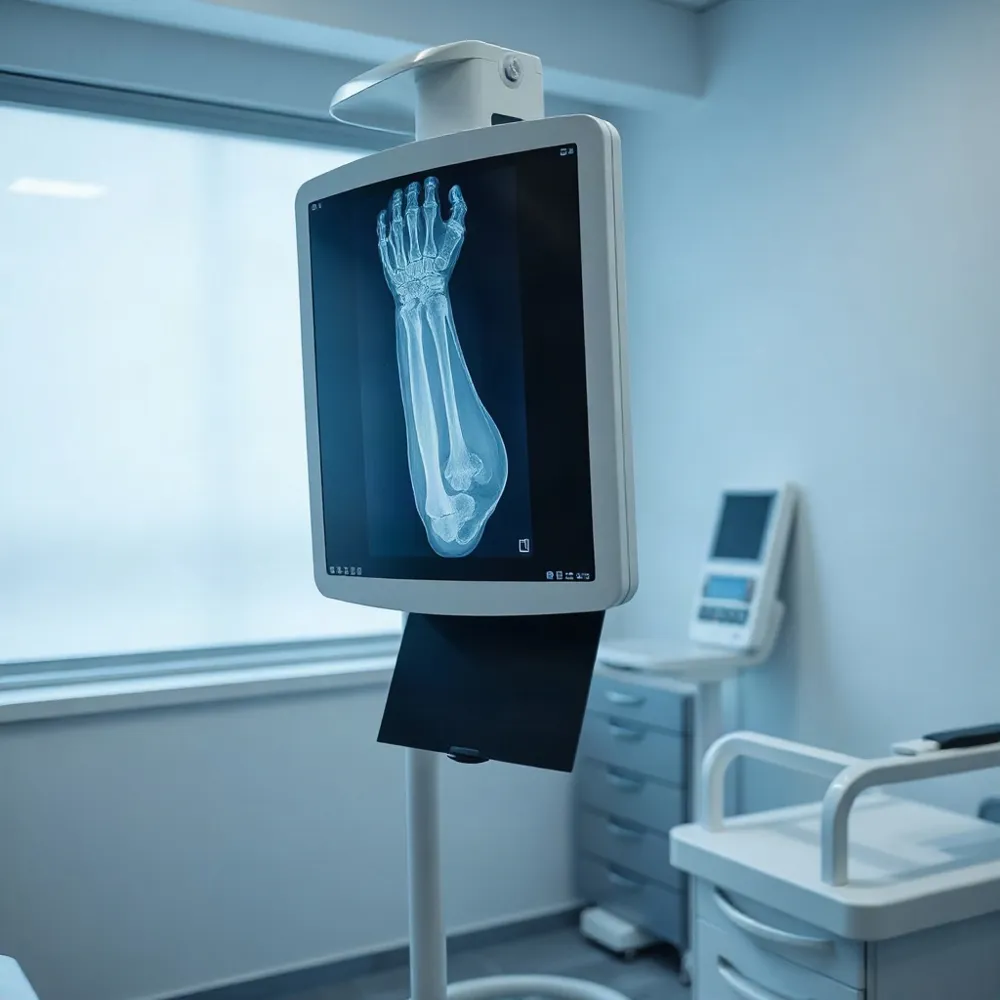 The elbow joins the humerus in the upper arm with the radius and ulna in the forearm. A sprain injures ligaments; a fracture breaks bone. Because the two injuries can feel similar, symptoms alone cannot reliably tell them apart.
How can you tell whether an elbow is fractured or sprained?
Pain, swelling, bruising, tenderness, and difficulty moving the elbow can occur with either injury. Deformity may suggest a more serious break, while numbness or tingling can signal that nearby nerves are affected. Still, being able to move the arm does not rule out a fracture. An examination and usually an X-ray are needed to diagnose one, as Cleveland Clinic explains.
After an elbow injury, Dr. Rebecca S. Yu, MD, is a board-certified orthopedic surgeon specializing in hand and upper extremity surgery in Berkeley. Prompt assessment is especially important with severe pain, visible deformity, inability to move the arm, or numbness, tingling, or weakness in the hand. Protect the arm while awaiting care, and do not force it to move.
What are the different types of elbow fractures?
The main types are olecranon fractures at the bony elbow tip, radial head or neck fractures near the top of the radius, and distal humerus fractures near the lower end of the upper-arm bone. The olecranon has little soft-tissue protection, and radial head or neck fractures can happen when someone braces a fall with a hand. Other humerus patterns include supracondylar, epicondylar, condylar, and intercondylar fractures. Imaging helps identify the pattern and severity, which guide care. Penn Medicine describes these fracture locations and diagnostic imaging.
How serious is an elbow fracture?
Severity ranges from a stable, nondisplaced break to a displaced or complex injury that may affect the joint, nerves, or blood vessels. Poor alignment during healing can contribute to lasting pain, weakness, reduced motion, or arthritis. Dr. Yu’s upper-extremity specialty is relevant to evaluating injuries in this area; treatment choices depend on the specific fracture and clinical findings.
Treatment Choices and Surgery
 Treatment depends on where the fracture is, how severe it is, whether the joint is stable, and whether bone fragments have shifted. An examination and imaging, often an X-ray, help the clinician assess the injury and choose an approach. Dr. Rebecca S. Yu is a board-certified orthopedic surgeon specializing in hand and upper extremity care in Berkeley, where patients can discuss elbow treatment options with a specialist.
A stable fracture with bones still aligned, including some hairline fractures, may heal without surgery. A clinician may recommend a splint, sling, brace, or cast, along with elevation, ice, and pain relief as advised. Follow-up visits and imaging can check that the bone remains aligned as it heals. When movement is safe, clinician-guided exercises or physical therapy can help restore motion. The timing and amount of movement should follow the treating clinician’s instructions. Penn Medicine’s elbow fracture guidance describes these nonsurgical options and the role of supervised therapy.
Surgery may be needed when a fracture is displaced, unstable, open, or broken into several pieces. Not every elbow fracture requires an operation: the decision also takes account of overall health and the arm function expected after healing. In open reduction and internal fixation (ORIF), a surgeon repositions the fragments and secures them with hardware such as plates, screws, pins, or wires. Ligament or tendon repair may be needed in some injuries. Johns Hopkins Medicine’s ORIF overview explains the procedure and when it may be considered.
ORIF is generally performed under anesthesia, but the procedure and its duration vary with the fracture and the repairs required. Ask the surgeon for an estimate based on the specific injury and plan. Dr. Yu’s upper-extremity practice includes elbow care, allowing treatment discussions to be grounded in the fracture pattern and the patient’s needs.
Elbow Fractures in Children
A child’s treatment plan depends on where the fracture is, whether the bones have shifted, how stable the joint is, and whether the injury affects the skin, nerves, or blood vessels. X-rays help clinicians assess the break and choose an appropriate approach.
When the bones remain aligned and the fracture is stable, a splint or cast may protect the elbow while it heals. Follow-up visits and imaging can help check that the bones stay in position. Pediatric elbow fracture guidance also stresses that care depends on the fracture pattern and severity.
If the bones are displaced, a clinician may need to realign them, sometimes under anesthesia, and secure them with pins or other fixation. Open fractures, problems with nerve or blood-vessel function, and certain unstable injuries may need urgent surgery. Penn Medicine’s overview of elbow fracture care describes how treatment is selected according to the injury.
After immobilization, the treating clinician guides a gradual return to movement and activity. Seek prompt medical care for severe pain, increasing swelling, numbness, pale or cold fingers, or symptoms that are getting worse.
Healing and Rehabilitation
 Recovery depends on the fracture’s location and severity, your overall health, and whether surgery was needed. Some fractures heal over several weeks, while more complex injuries may take months or longer to regain comfortable movement and function. A splint or sling may protect the elbow for a period set by your clinician. Pain, swelling, bruising, and stiffness can continue as healing progresses, even after the bone has begun to mend. Recovery timelines vary, and elbow fracture guidance from Cleveland Clinic notes that some people experience stiffness after a cast or splint is removed.
Follow-up visits help your orthopedic specialist check healing and decide when to begin movement or therapy. Dr. Rebecca S. Yu, MD, is a board-certified orthopedic surgeon specializing in hand and upper-extremity surgery, including elbow care. The plan should be based on your injury and progress, since keeping the elbow still for too long can contribute to stiffness.
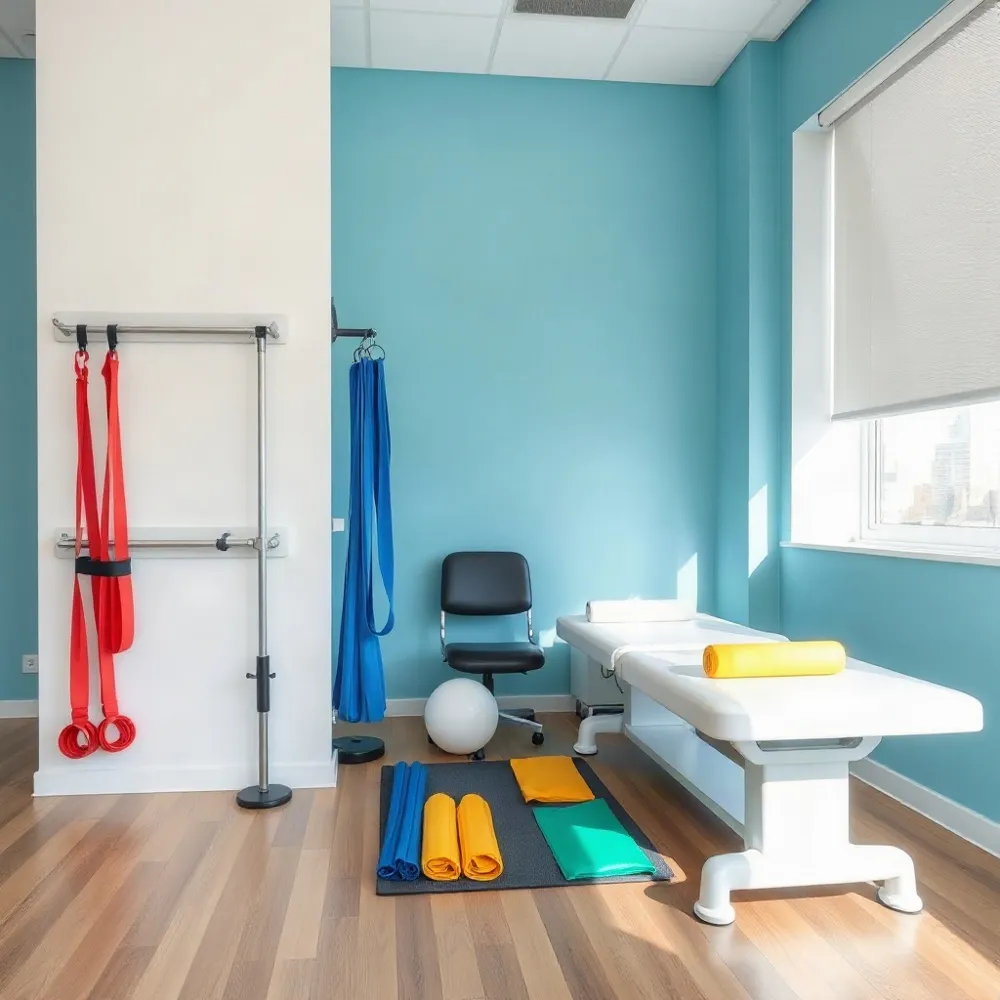
Rehabilitation aims to restore practical arm function, not just bone healing. A physical or occupational therapist may help improve movement and strength, adapt daily tasks, and work toward goals such as returning to work or recreation. The ChoosePT guide to elbow fracture therapy describes individualized care that can address mobility, strength, and daily activities.
While the elbow is protected, move your fingers, wrist, or shoulder only if your clinician permits it. Once cleared, therapy may progress to gentle elbow bending and straightening, forearm rotation, stretching, and strengthening as healing allows. Dr. Yu’s upper-extremity practice provides care focused on elbow and arm conditions; your treating team can advise which movements fit your recovery.
Follow your care team’s exercise instructions and activity limits rather than pushing through discomfort. Contact a clinician if exercise causes worsening pain, or if you develop new numbness or weakness in your hand or forearm.
Managing Stiffness Safely
Yes. Some difficulty bending or straightening the arm is common after an elbow fracture, especially as pain and swelling settle or after the arm has been held still. Stiffness may remain after a cast or splint is removed, and physical or occupational therapy may help restore movement and strength, as described in this elbow fracture rehabilitation guide.
Follow your surgeon’s instructions about when to begin moving the elbow or attending therapy. The right timing depends on the injury and its treatment, so do not force the joint or start exercises before you are cleared. Dr. Rebecca S. Yu, MD, is a board-certified orthopedic surgeon specializing in hand and upper extremity care in Berkeley, and treatment guidance can be tailored to the individual injury.
Arrange an orthopedic evaluation if stiffness persists, worsens, or interferes with daily activities. Seek prompt medical care for severe or rapidly increasing pain or swelling, numbness, or a change in hand color or temperature, as these may signal a problem that needs timely assessment.
Protecting the Arm at Rest
How should you protect and position your elbow while it heals, including when sleeping? Follow your surgeon’s instructions about using a sling, splint, cast, or brace, and how long to wear it. The right support depends on the fracture and treatment; keeping a splint in place as directed is part of post-treatment care described by Cleveland Clinic.
Protect the elbow from bumps, and avoid lifting, pushing, pulling, or leaning on it until your care team says these activities are safe. When resting, place pillows under your forearm and elbow to support the arm comfortably. Elevate it if your clinician advises this to help limit swelling, but do not force the elbow into a particular bend or straight position.
At night, use pillows to keep the supported arm from rolling or hanging uncomfortably. Wear prescribed support as directed, and check with your clinician before removing it for sleep. At follow-up, Dr. Rebecca S. Yu, MD, can assess the injury and provide guidance tailored to the fracture and any surgery.
Contact your care team promptly if pain or swelling suddenly worsens, or if your fingers become numb, weak, unusually cold, or discolored. These changes need timely clinical advice.
Returning to Exercise and Sport
When can you resume exercise or sports after an elbow fracture? The timing depends on the fracture’s location and severity, whether surgery was needed, and how healing is progressing. Even when bone healing is underway, that alone does not mean the elbow is ready for sport.
Gentle movement may be encouraged early when your clinician approves it, but lifting, strenuous exercise, and contact or fall-risk sports should wait until your care team confirms the bone is stable. A return plan should also account for pain, range of motion, and strength. The ChoosePT guide to elbow-fracture rehabilitation describes activity planning tailored to a person’s work, daily tasks, and sport.
Increase activity gradually under your surgeon’s or therapist’s guidance. If exercise causes significant or worsening pain or swelling, stop and check in with your clinician. Dr. Rebecca S. Yu, a board-certified orthopedic surgeon specializing in hand and upper-extremity care, can assess the fracture and discuss a return-to-sport plan suited to the injury and activity.
A Safe Path Back to Function
After an elbow injury, prompt assessment can clarify the fracture and guide treatment. Care depends on the injury’s pattern and severity, and rehabilitation should reflect individual needs and goals. The World Health Organization’s description of rehabilitation emphasizes restoring function in ways that matter to each person.
For active adults, that may mean planning around work tasks, recreation, or exercise. Dr. Rebecca S. Yu is a board-certified orthopedic surgeon specializing in hand and upper extremity care in Berkeley; her practice provides information on elbow conditions and treatment options. Discuss activity changes with your care team, and follow its guidance on when and how to resume them rather than relying on a fixed recovery timeline.
As healing progresses, clinician-guided rehabilitation can help restore movement and practical arm function. Keep follow-up appointments and report new or worsening symptoms promptly. A gradual return, shaped by your injury and progress, can help you work toward daily activities and exercise safely.