
Embracing Modern Orthopedic Techniques for Better Recovery
Modern orthopedic care has seen a significant shift away from traditional open surgery toward less intrusive methods. While open surgery requires larger incisions that cut through skin and muscle, minimally invasive surgery relies on smaller entries and specialized instruments to treat musculoskeletal issues. At rebeccasyumd.com, this approach prioritizes patient comfort by reducing the physical trauma inherent in older surgical models.
The core philosophy behind these advances is to minimize tissue damage. By moving muscles aside rather than cutting through them, surgeons can achieve the same diagnostic and treatment goals while preserving natural anatomy. This reduction in internal disruption is critical, as research shows it leads to significantly less postoperative pain and a decreased reliance on narcotic medications.
Patients often benefit from shorter hospital stays and a faster return to daily activities compared to the longer recovery windows required for traditional procedures per 2016 PMC research. By choosing methods that limit the burden on the immune system, such as those detailed in advanced techniques in minimally invasive elbow care, individuals can often resume their work and hobbies in half the time compared to historical methods, as noted by Mayo Clinic Health System.
Understanding the Fundamentals of Minimally Invasive Surgery
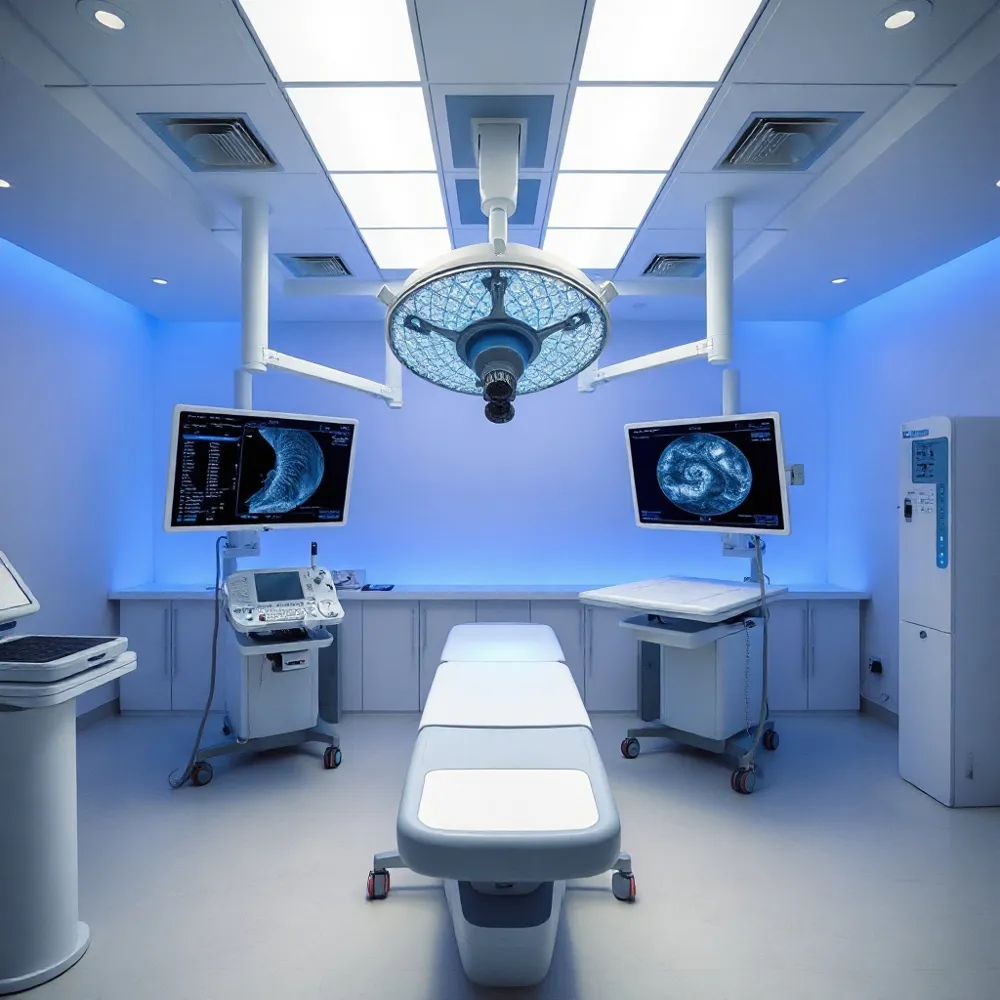 The primary difference between these surgical approaches lies in the size of the incision and the techniques used to access the surgical site. Open surgery is a traditional method that requires a large incision, providing the surgeon with direct access to the area being treated. In contrast, Minimally invasive surgery involves making one or more small incisions, through which surgeons use specialized tools, such as a laparoscope - a thin tube equipped with a camera - to perform the procedure. By utilizing these smaller openings, this approach is generally associated with less tissue damage, reduced postoperative pain, and a faster recovery time compared to open surgery.
Specialized instrumentation is central to this shift in orthopedic care. Surgeons frequently employ arthroscopes and miniaturized cameras to visualize internal structures with high clarity. These tools eliminate the need for large dissections, meaning muscles and tendons are gently pushed aside rather than cut. At rebeccasyumd.com, these techniques are applied to ensure patients experience less postoperative stiffness and a quicker return to their daily routines.
Modern technological advancements further refine these procedures. Robotic surgery provides surgeons with an enlarged, 3D view of the surgical site, allowing for higher levels of precision and control. By leveraging these visual aids, medical teams can perform complex repairs with remarkable accuracy. This precision directly benefits the patient by minimizing bodily trauma.
Smaller incisions are also better for the body's internal environment. Because these openings are limited in scale, they reduce the burden on the immune system and lower the risk of wound complications like infection, as noted by researchers. While open surgery remains necessary for certain complex cases, ongoing advancements continue to expand the range of conditions that can be treated using these precise, less intrusive methods.
Evaluating Surgical Options for Hand and Upper Extremity Care
 Deciding on surgical intervention for hand and upper extremity conditions requires a careful assessment of how your symptoms impact daily function. In the practice of Rebecca S. Yu, MD, surgery is typically treated as a last resort. We prioritize non-surgical methods such as activity modification, targeted physical therapy, and bracing to manage pain and improve mobility before recommending any operative approach.
Is hand surgery worth it?
Whether hand surgery is worth it depends on the severity of your condition and whether non-surgical treatments have been exhausted. Surgery is often considered when you experience persistent pain, numbness, tingling, or limited mobility that interferes with your daily activities and fails to improve with rest, splinting, medication, or therapy. It can be a life-changing option for addressing specific diagnoses like carpal tunnel syndrome, tendon injuries, or joint deformities, ultimately restoring function and strength. Because hands are complex and vital for everyday tasks, a professional evaluation by an orthopedic hand specialist is essential to determine if surgery is the most appropriate path for your specific needs. Ultimately, the decision is worth exploring if your hand health is significantly impacting your quality of life and conservative methods have not provided sufficient relief.
Modern techniques have refined how we manage these conditions. For instance, minimally invasive hand surgery utilizes specialized tools and smaller incisions compared to traditional open methods. While some conventional procedures require larger dissections, advanced techniques in minimally invasive elbow care or percutaneous scaphoid fracture fixation can often minimize postoperative stiffness and reduce recovery time by half. These approaches are designed to preserve surrounding tissues, providing a faster path back to your normal routines.
Balancing the Benefits and Considerations of Modern Surgery
 When weighing surgical options, it is essential to understand the trade-offs between procedural complexity and the goal of achieving precision. Minimally invasive surgery relies on advanced technology and small incisions to limit damage to muscles and tendons. This approach frequently yields less postoperative pain, smaller scars, and a swifter return to daily life compared to traditional open surgery. However, these procedures demand high levels of technical skill, as surgeons must navigate the anatomy using miniature instruments while relying on detailed digital imaging.
What are the pros and cons of minimally invasive surgery?
While minimally invasive surgery offers significant advantages, it is not without specific considerations. The complexity of these methods can sometimes increase operative time, as the surgeon works through limited openings. Potential risks include accidental nerve injury or damage to surrounding soft tissues that are less visible than in an open approach. In some instances, if anatomical variations or technical complications arise, a surgeon may need to convert to an open procedure to ensure the highest standard of patient safety and surgical success.
Optimized results are closely tied to surgeon experience and procedure volume, as specialized expertise is critical for managing the nuances of modern orthopedics. At rebeccasyumd.com, we prioritize techniques that minimize downtime and promote faster healing. For patients considering hand surgery, our team evaluates your specific condition to determine if you are a candidate for these sophisticated methods. If you have questions about your suitability for a specific intervention, we can discuss the most effective path for your recovery during a personal consultation.
Navigating the Postoperative Recovery Timeline
Understanding your recovery journey starts with recognizing that minimally invasive surgery is designed to minimize tissue damage, which typically leads to a faster recovery and less postoperative pain compared to traditional open procedures. While recovery time varies based on the specific procedure, the complexity of your condition, and your overall health, most patients find that these techniques allow for a quicker return to daily activities.
What should patients expect regarding recovery time for minimally invasive surgery?
You should anticipate a gradual healing process, often involving physical therapy to regain strength and mobility in the treated area. It is common to be advised to restrict certain strenuous activities for at least six weeks to ensure proper healing. Your surgeon will provide a personalized recovery timeline to help you understand what to expect at each stage and how to achieve the best possible outcome.
Early mobilization remains a cornerstone of the recovery process. Moving the affected area or taking short, frequent walks helps stimulate circulation and prevents complications like deep vein thrombosis or stiffness. At rebeccasyumd.com, we emphasize that the primary goal during the initial phase is protecting the surgical site while gradually restoring functionality.
Adherence to activity restrictions is just as important as the surgical technique itself. Dr. Rebecca S. Yu often notes that rushing back into heavy lifting or repetitive motions can jeopardize long-term stability. By following a structured rehabilitation program, such as the percutaneous screw fixation approach, patients can transition from immobilization to full strength safely. Most recovery paths involve distinct phases, starting with acute pain management and shifting toward guided physical therapy to ensure the joint or limb regains its natural range of motion without chronic complications.
Ultimately, the effectiveness of your recovery depends on your active participation. Surgeons often see better patient satisfaction when patients commit to their personalized aftercare plans. By staying patient during the early weeks, you lay the foundation for lasting mobility and comfort.
Nutritional and Lifestyle Strategies for Faster Tissue Repair
Supporting your body through the recovery process requires a deliberate focus on nutrition and movement. Because minimally invasive surgery minimizes internal trauma, your body can direct its resources toward rebuilding tissues more efficiently. To support your body’s healing process after surgery, focus on a well-balanced diet rich in calories, protein, and essential vitamins to provide the fuel your tissues need to repair.
Prioritizing nutrition for recovery
Protein is the primary building block for collagen synthesis, which is essential for wound healing and restoring muscle integrity. If your appetite is limited following a procedure, eat your protein portions first. Excellent sources include eggs, lean chicken, or nuts at every meal. You should also incorporate a variety of fruits and vegetables to ensure you are receiving adequate levels of Vitamin A, Vitamin C, and zinc, which are crucial for immune function and tissue regeneration. Proper nutrition helps prevent complications and supports a faster recovery, ensuring your body has the necessary resources to rebuild.
Lifestyle habits for prevention
Managing energy levels and preventing complications are also vital components of a successful recovery. Staying hydrated is essential for maintaining blood volume and circulation, which aids in the delivery of nutrients to the healing site. Furthermore, engaging in frequent, gentle movement, such as short walks, is highly encouraged to stimulate circulation and prevent serious complications like deep vein thrombosis.
Achieving Long-Term Mobility Through Collaborative Care
The evolution toward minimally invasive surgery has redefined the patient experience by prioritizing precision while reducing physiological trauma. By utilizing smaller incisions, these techniques frequently lead to less postoperative pain and a faster return to daily function compared to traditional open methods. Whether addressing complex fractures or chronic joint issues, the goal remains consistent: restoring your quality of life through the most efficient path possible.
Success in these procedures depends heavily on a strong partnership between you and your orthopedic surgeon. At rebeccasyumd.com, open communication ensures that treatment plans are tailored to your unique anatomical needs and lifestyle goals. While techniques like endoscopic carpal tunnel release offer significant advantages, candid discussions about your health history remain vital to determining the safest approach.
Commitment to recovery does not end in the operating room. Long-term mobility is built through a dedicated adherence to postoperative care, including physical therapy and prescribed activity modifications. By working collaboratively to manage expectations and rehabilitation, you can achieve the best possible outcomes for your hands, wrists, and elbows.