When Elbow Pain Demands More
For many patients, persistent elbow pain and loss of motion do not improve with rest, physical therapy, or medication. When conservative treatments fail to provide relief, elbow surgery becomes the next step toward restoring function and reducing discomfort.
The elbow is a small, complex joint where bones, ligaments, tendons, and nerves are packed tightly together. This anatomy makes surgery technically demanding — and underscores why specialized expertise matters. A board‑certified orthopedic surgeon like Dr. Rebecca S. Yu brings fellowship training in hand and upper extremity surgery, offering precise, individualized care for each patient’s condition.
Specialized surgical expertise directly affects outcomes. According to the American Society for Surgery of the Hand, fellowship‑trained specialists are better equipped to perform advanced techniques such as arthroscopy and microvascular repair, which reduce tissue damage and speed recovery. Dr. Yu applies these same evidence‑based, minimally invasive methods to help patients return to daily activities with less pain and faster healing.
Defining Success in Elbow Surgery
 Elbow surgery encompasses a wide range of procedures, from minimally invasive arthroscopy to complex operations like total elbow replacement. The specific approach depends on the condition being treated, the patient's overall health, and the desired outcome. Understanding what defines success in these different contexts helps patients set realistic expectations.
Spectrum of Procedures: Outpatient to Major Surgery
Is elbow surgery considered major surgery? The answer depends on the procedure. Many elbow surgeries, such as arthroscopy, cubital tunnel release, or tendon repair, are performed as outpatient procedures with small incisions and a relatively quick recovery. These minimally invasive techniques use a tiny camera and specialized instruments, reducing pain and scarring. However, procedures like total elbow arthroplasty (joint replacement) or open reduction and internal fixation (ORIF) for complex fractures are considered major surgeries. According to the Cleveland Clinic, most elbow procedures take one to two hours, but the scope of the surgery — from the size of the incision to the extent of tissue disruption — determines the classification.
Total elbow replacement, for example, is reserved for patients with end-stage arthritis or severe joint damage that hasn't responded to conservative treatments. As noted by the Arthritis Foundation, this procedure can provide significant pain relief and restore a functional arc of motion, but it is a substantial operation with a recovery timeline of at least 12 weeks.
High Success Rates for Pain Relief and Function
Success rates in elbow surgery are measured by pain relief, restored function, and patient satisfaction. For total elbow replacement, the outcomes are generally excellent. Studies show that over 90% of patients who undergo this procedure experience significant pain relief and improved joint function, allowing them to return to their favorite activities and daily routines. These results are supported by research cited by the Nature Index, which notes that overall functional outcomes are favorable in terms of pain relief and restoration of motion. However, it also highlights that complication rates remain higher than those seen in hip or knee replacement, with implant survival at ten years typically ranging between 80% and 85%.
At Dr. Rebecca S. Yu, MD, we tailor each treatment plan to the individual patient, considering factors like activity level, bone quality, and the specific joint pathology. This personalized approach helps maximize the chances of a successful outcome, whether the goal is pain relief, restored mobility, or both.
Understanding the Risks
Elbow surgery is generally safe, and most patients do very well. However, like any surgical procedure, it carries some risks. According to the Cleveland Clinic, potential complications include infection, bleeding, nerve damage (temporary numbness or tingling), and joint stiffness. Nerve injuries are slightly more common in elbow surgery due to the small, crowded anatomy. Other risks mentioned by the Arthritis Foundation include aseptic loosening of implants, periprosthetic infection, and mechanical wear. For total elbow replacement, the overall failure rate is about 25% at five to seven years, though modern surgical techniques and implant designs continue to improve these numbers.
A skilled surgeon takes steps to minimize these risks. Dr. Rebecca S. Yu uses advanced, evidence-based techniques and provides clear postoperative instructions to help patients manage pain, prevent complications, and optimize healing. By focusing on both surgical precision and comprehensive follow-up care, the goal is to achieve the best possible long-term result for each patient.
Specialized Techniques That Drive Better Results
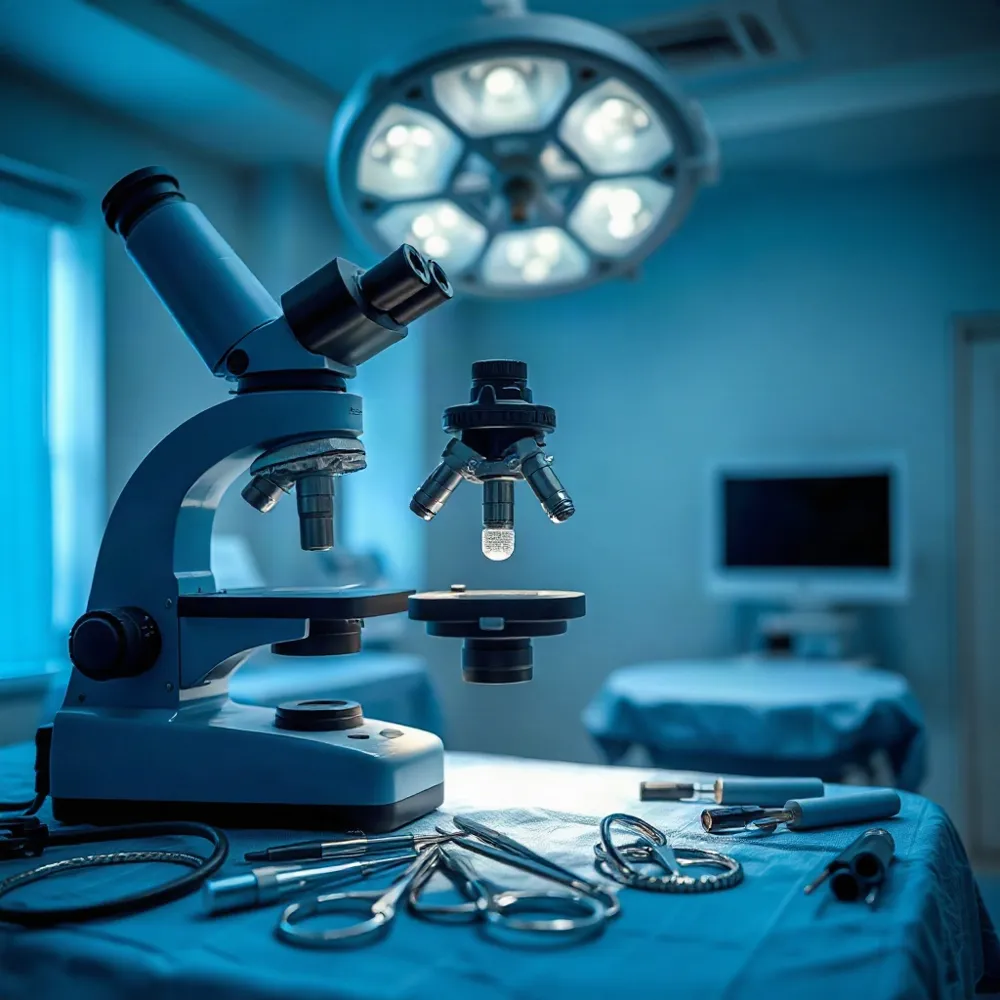 The evolution of elbow surgery has brought a range of specialized techniques that directly improve patient outcomes. By reducing tissue trauma, these methods allow for faster recovery, less post-operative pain, and a quicker return to daily activities.
Minimally Invasive Techniques
Arthroscopy, a minimally invasive technique, uses a tiny camera and small incisions to diagnose and treat elbow conditions. This approach results in smaller scars and less disruption to surrounding tissues, enabling patients to begin physical therapy sooner. Microvascular surgery, another advanced method, employs powerful microscopes to repair tiny blood vessels and nerves, which can be life-changing for patients with severe trauma by helping restore movement and sensation.
Advanced Reconstructive Procedures
Total elbow arthroplasty and fracture repair are common advanced procedures that can restore function and relieve pain. For active patients, Ulnar Collateral Ligament (UCL) reconstruction, also known as Tommy John surgery, is a specialized technique often required after sports injuries. The Mayo Clinic is currently conducting studies to evaluate outcomes of UCL reconstruction using both allograft and autograft in athletes, demonstrating the ongoing research to refine these techniques.
Managing Complex Injuries
Complex injuries, such as the "terrible triad" (a combination of elbow dislocation, coronoid fracture, and radial head fracture), require a careful post-operative protocol. The elbow is typically immobilized for 1–2 weeks, followed by gentle, active-assisted range-of-motion exercises to prevent stiffness. The Hotchkiss "over the top" approach provides excellent access to the coronoid process for these fractures, with a key step being identification and protection of the ulnar nerve.
The Surgeon's Role in Reducing Complications
The skill of a fellowship-trained, board-certified surgeon is critical in reducing risks and improving outcomes. Cleveland Clinic notes that nerve injuries are slightly more common in elbow surgery due to the joint's complex anatomy. A surgeon trained in advanced techniques, such as those practiced by Dr. Rebecca S. Yu, can use meticulous planning and precision to minimize these risks and ensure a smoother recovery.
Health disparities research also points to the importance of specialized care. A 2023 scoping review from the American Society for Surgery of the Hand found that only 12.5% of studies assessed interventions to reduce disparities, and a mere 1.9% examined access to postoperative rehabilitation. Specialized care models that focus on clinical quality and comprehensive post-operative rehabilitation can help address these gaps, ensuring all patients achieve the best possible outcomes.
Recovery: The Patient-Centered Journey
 A structured recovery and rehabilitation plan is essential after any elbow surgery. The first few days focus on immobilization, rest, elevation, and prescribed medication to manage pain and swelling, as outlined in standard post-operative care from sources like the Cleveland Clinic. This initial phase gives way to a carefully guided physical therapy program that is critical for restoring motion, building strength, and preventing long-term complications.
Recovery timelines vary significantly by procedure. For example, elbow arthroscopy typically requires about 6 to 8 weeks, while total elbow replacement usually takes about three months. More complex reconstructions, such as Tommy John surgery, may require over a year before returning to sport. Patients can expect to resume light work within days for minor procedures, but physically demanding jobs may require one to two months off.
Early mobilization is a pillar of modern recovery. As emphasized by Washington University Orthopedics, gentle range-of-motion exercises should begin within 48 hours after surgery, even if slightly painful, to prevent stiffness. Physical therapy then progresses from passive stretching to active strengthening over weeks and months.
Realistic expectations are important. Many patients can make a full recovery, but the outcome depends on the type of procedure, severity of the injury, and commitment to rehabilitation. Adhering to your surgeon's guidelines and attending all therapy sessions are crucial to maximizing your chances of a complete recovery.
Patients who have experienced thorough, compassionate care often report the best outcomes. For instance, Kevin shared on a GPOA blog that his surgeon 'spent 30 minutes with me and gave me a better explanation of my injury and options for PT or surgery if needed.' Another patient, Brandi, praised a 'fast, efficient, thorough' doctor who listened carefully to her 14-year-old son's concerns. These testimonials reflect the value of a patient-centered approach.
Practical Guidance for Daily Life After Surgery
Returning to daily routines after elbow surgery requires thoughtful adjustments to ensure a smooth recovery. Small choices in clothing, activity, and home care can make a significant difference in comfort and healing speed.
What to Wear and How to Dress
During the first few weeks, choose clothing that is easy to put on without straining your arm. Tops with full front zippers, magnetic buttons, or large snap closures are far more practical than pullovers or traditional button-downs. Many adaptive clothing brands offer shirts with zippers or openings along the sleeve to accommodate dressings and braces. Loose, comfortable fabrics help avoid irritation and leave room for swelling, making independent dressing much easier.
Driving and Returning to Physical Activity
Driving is generally not safe while you are wearing a sling or taking narcotic pain medication, as both impair your ability to control the vehicle and react to hazards. The Cleveland Clinic advises waiting until you are out of the sling, off narcotics, and have regained enough strength and range of motion to steer properly. Returning to running or jogging should also be gradual — most patients can start light impact activity after several weeks, but only once the surgeon confirms adequate healing and full pain-free motion.
Home Recovery Essentials: Elevation, Cold Therapy, and Sling Use
Elevating the hand above the elbow and the elbow above the heart helps reduce swelling. Washington University Orthopedics recommends using a cold therapy machine or ice packs for the first 48–72 hours, especially before sleep, to manage pain and inflammation. For an elbow fracture, a sling is typically used only for pain relief and should be discontinued as soon as possible — ideally within one week — to prevent stiffness. Your surgeon will provide specific instructions based on your injury and procedure.
Gentle Exercises to Prevent Stiffness
Starting gentle range-of-motion exercises within 48 hours after surgery, even if slightly uncomfortable, is critical for maintaining flexibility. Passive stretches — using your good hand to gently rotate your forearm palm-up and palm-down — help prevent stiffness. Active resisted extension, where you straighten your elbow on a table and push against your good hand for five seconds, can further improve motion. These exercises should be performed at least five times a day for ten repetitions each, stretching only to the point of discomfort, not pain.
Navigating Non-Surgical and Post-Operative Care
Elbow surgery is considered only after conservative treatments such as rest, bracing, physical therapy, and medication have failed to provide relief. Chronic pain that limits daily function, joint instability, and loss of motion are common indicators that a surgical evaluation is warranted. The Cleveland Clinic notes that most procedures are performed to address conditions that have not responded to non-operative care.
Conditions that typically require surgical intervention include persistent tendon injuries like tennis elbow, ligament tears such as ulnar collateral ligament (UCL) injuries, fractures that cannot be managed with casting, arthritis causing severe joint damage and stiffness, and nerve compression syndromes like cubital tunnel syndrome. The Arthritis Foundation emphasizes that surgical options are considered only when medications and other measures do not relieve severe pain and loss of motion.
Non-Displaced Radial Head Fractures
For non-displaced radial head fractures, clinical practice guidelines from institutions like the Royal Children's Hospital Melbourne recommend early range-of-motion exercises rather than prolonged immobilization. Physical therapy begins with gentle passive movements to restore elbow extension and forearm rotation without stressing the healing bone. Key exercises include the elbow extensor stretch and forearm pronation-supination stretches, progressing to active exercises like the hand flip as healing allows. This approach helps prevent stiffness and speeds functional recovery.
Key Post-Operative Considerations
After surgery, patients must monitor for signs of infection including increased pain, swelling, warmth, redness, red streaks, pus drainage, or fever. The Washington University Orthopedics post-operative care instructions emphasize keeping the surgical dressing clean and dry and attending all scheduled follow-up appointments. Adherence to these guidelines helps detect complications early and ensures the recovery plan stays on track.
Rehabilitation and Equitable Outcomes
Comprehensive rehabilitation is critical for optimal results after elbow surgery. A 2023 scoping review presented at the American Society for Surgery of the Hand found that only 1.9% of health disparities studies examined access to postoperative care, highlighting a gap in understanding how social factors affect recovery. Addressing social determinants of health, such as insurance status and health literacy, is essential for ensuring that all patients have the support they need to complete their rehabilitation and achieve the best possible outcome.
Long-Term Outcomes and the Promise of Research
For patients considering elbow replacement, the most common question is how long the implant will last. Data from the Nature Index shows that total elbow arthroplasty (TEA) has a 10-year implant survival rate of 80% to 85%, with some high-volume centers reporting rates approaching 90%. While these numbers are good, they trail the longevity of hip and knee replacements, which often exceed 95% at 10 years.
Several factors influence implant life. The Arthritis Foundation notes that patients under 60 are generally not recommended for TEA because implants tend to wear out faster with higher activity levels. The underlying diagnosis also matters: patients with post-traumatic arthritis or complex fractures tend to place greater stress on the implant than those with inflammatory arthritis. Dr. Rebecca S. Yu takes these variables into account during surgical planning, helping patients understand realistic expectations for their specific case.
Innovations and Ongoing Research
The Mayo Clinic continues to drive the field forward with clinical trials on advanced techniques. Studies evaluating UCL reconstruction using allograft versus autograft in athletes, capsular release for elbow contracture, and allograft reconstruction for posterolateral rotatory instability all aim to improve long-term function and reduce complications. Research on revision techniques, such as TEA with allograft-prosthesis composite for catastrophic ulnar component failure, addresses the challenges that arise when primary replacements fail.
At the same time, a 2023 scoping review presented at the American Society for Surgery of the Hand meeting found that only 12.5% of health-disparities research in hand and upper extremity surgery has moved into the intervention phase, and just 1.9% of studies examined postoperative care and rehabilitation factors. This gap underscores a critical opportunity: specialized care models that prioritize comprehensive rehabilitation and equitable access can directly improve outcomes for all patients.
The research landscape itself reflects the field's priorities. A 2023 analysis of the 50 most-cited elbow surgery articles found that fracture and lateral epicondylosis were the most common topics, yet only 4% of the articles represented Level I evidence. This scarcity of high-quality randomized trials highlights the need for continued rigorous investigation. Dr. Rebecca S. Yu incorporates findings from the best available evidence into each patient's treatment plan, balancing proven techniques with emerging data to optimize long-term results.
For a personalized assessment of whether elbow surgery is right for you and what outcomes you can realistically expect, a consultation with Dr. Rebecca S. Yu is the best next step.
Choosing Expertise for Optimal Recovery
The evidence is clear: specialized care improves outcomes through advanced techniques, individualized treatment plans, and comprehensive rehabilitation.
A board-certified, fellowship-trained surgeon like Dr. Rebecca S. Yu brings the precision and experience needed to reduce risks and optimize recovery. For patients living with persistent elbow pain or limited function, seeking an expert evaluation is the first step toward a return to daily activities and long-term joint health.
Contact Dr. Yu's office to schedule a consultation and explore your surgical options.