Leading the Future of Minimally Invasive Hand and Wrist Surgery
The evolution of hand orthopedics has moved decisively toward procedures that prioritize tissue preservation without compromising surgical efficacy. Modern orthopedic surgery now emphasizes smaller incisions and reduced soft tissue dissection, which directly correlate to fewer complications and faster recovery cycles for patients treated for conditions like fractures or nerve compression. Minimally invasive hand surgery has become the gold standard for clinical outcomes that prioritize both function and aesthetics.
Dr. Rebecca S. Yu leads this shift in Berkeley by focusing on high-precision techniques that minimize trauma to the hand and wrist. Unlike traditional open procedures, which often involve extensive dissection and longer downtime, her approach focuses on Minimally invasive hand and wrist surgery to restore mobility efficiently. This refined method ensures that patients can manage conditions like Hand and Wrist Care with a personalized plan designed for longevity.
This commitment to patient-centric care is supported by utilizing specialized instruments and advanced imaging technology. By customizing treatment plans to the unique anatomical needs of the individual, these precise, evidence-based methods help reduce long-term structural strain. Whether addressing acute trauma or chronic degenerative joint issues, these advanced surgical pathways demonstrate that modern care is increasingly defined by how effectively a surgeon avoids unnecessary disruption to healthy tissue.
Standardizing Minimally Invasive Techniques in Hand Orthopedics
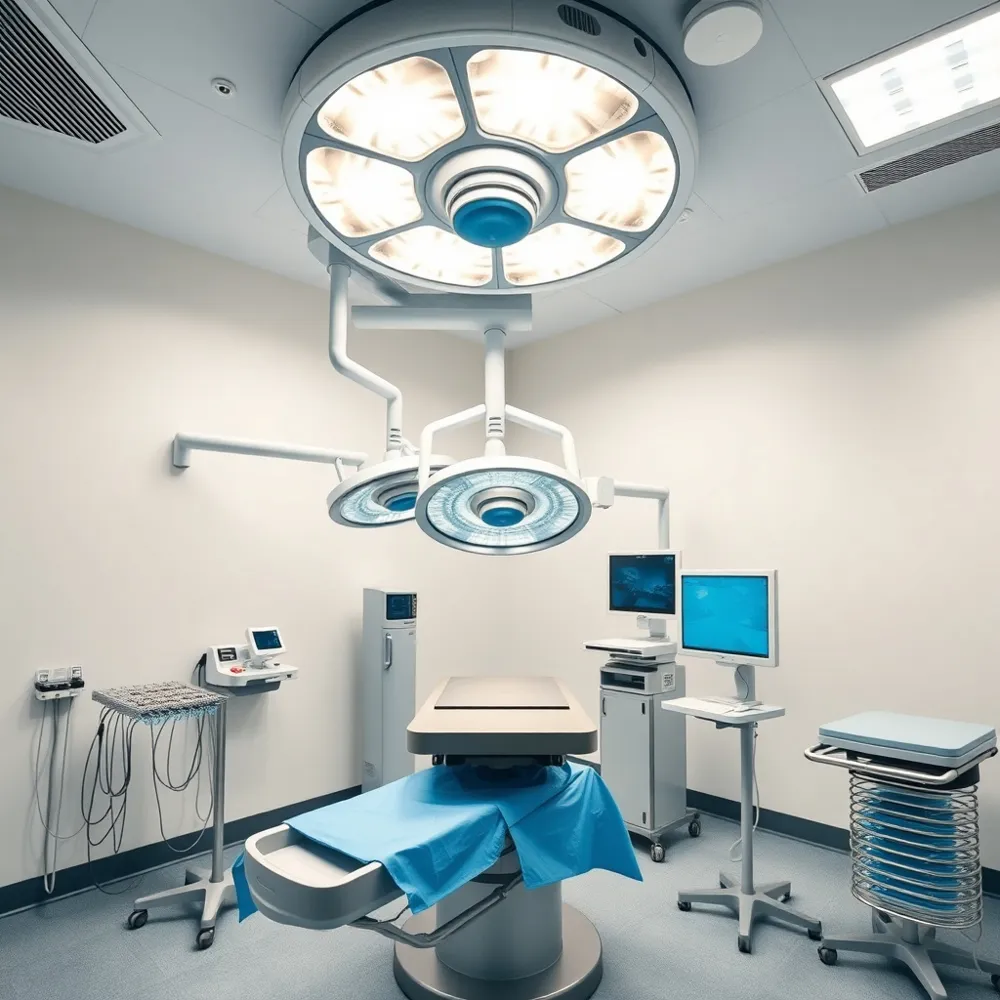 Minimally invasive hand surgery involves specialized techniques designed to address orthopedic conditions through smaller incisions and reduced soft tissue dissection. Surgeons often utilize advanced imaging technologies, such as fluoroscopy, to guide instruments like pins directly to a fracture site. Others may rely on arthroscopic tools, which use tiny cameras to perform complex joint repairs through minimal portal openings Minimally Invasive Hand Surgery | Clinical Keywords - Yale Medicine.
These refined approaches offer distinct clinical advantages over traditional open procedures. By preserving surrounding healthy tissue, patients frequently report reduced postoperative pain, smaller surgical scars, and an accelerated healing process Minimally Invasive Hand Surgery Salt Lake City. In many cases, these advancements allow for same-day procedures with a significantly quicker return to daily activities compared to historical surgical standards.
- Reduced soft tissue disruption decreases local inflammation and recovery time.
- Precision imaging, such as fluoroscopy, improves structural alignment without extensive incisions.
- Arthroscopic visualization enables joint restoration through tiny, minimally traumatic ports.
At rebeccasyumd.com, we emphasize that surgical suitability is determined on a case-by-case basis. While many conditions respond well to streamlined methods, our specialists prioritize patient-specific outcomes by developing surgical plans that balance modern innovation with the unique anatomical needs of each individual. Discussing these options early allows you to weigh the trade-offs between various minimally invasive methods and standard techniques.
Integrative Laser Applications for Soft Tissue and Chronic Pain
 Modern hand orthopedics increasingly incorporates advanced photon-based treatments to manage complex soft tissue and chronic pain conditions. At the core of this approach is photobiomodulation (PBM), a process where specific light wavelengths interact with the cytochrome C complex within mitochondria. This interaction elevates cellular metabolism and enhances blood flow, effectively reducing systemic inflammation that often plagues patients with chronic hand or wrist discomfort. Unlike conventional surgical paths, these methods rely on non-invasive physics to facilitate tissue repair.
Is laser therapy an effective treatment for arthritis in the hands?
Laser therapy has emerged as a reliable non-invasive option for managing the pain and inflammation associated with arthritis. By utilizing precise wavelengths, this modality triggers a photochemical response that stimulates cellular healing while bypassing the potential risks linked to corticosteroid injections, such as cartilage degradation or systemic reactions. While conservative management often relies on temporary symptom control, this approach encourages a regenerative environment. Dr. Rebecca S. Yu, a board-certified orthopedic surgeon in Berkeley, differentiates her approach by evaluating whether patients require strictly non-invasive cellular modulation or surgical intervention for chronic conditions. This allows for a more personalized care plan than broader, one-size-fits-all clinical protocols used by generalized orthopedic centers.
How do laser therapy treatments work, and how long does a session take?
Each treatment session typically lasts between 8 and 10 minutes. Patients usually find that pain relief compounds throughout the duration of therapy, with a standard course comprising seven to ten sessions. Though some clinical settings may employ traditional Low-Level Laser Treatment for surface-level symptoms, contemporary precision-based approaches often require more nuanced application to ensure therapeutic depth is achieved.
Beyond non-surgical applications, laser technology is shifting the standard for delicate procedures, such as soft tissue excision and minimally invasive hand surgery, where surgical precision is paramount. By using laser-assisted incision methods, surgeons can minimize scarring and reduce trauma to surrounding healthy tissue. While some providers utilize standard mechanical scalpel techniques, the integration of laser precision allows for an optimized recovery outcome, helping patients at rebeccasyumd.com return to their daily routines with greater comfort.
Regenerative Medicine: Comparative Efficacy of Laser and PRP
 Advancements in hand orthopedics now allow surgeons to integrate multiple restorative strategies. Dr. Rebecca S. Yu, a board-certified hand surgeon in Berkeley, CA, evaluates these options based on individual patient needs. While traditional open procedures remain necessary for specific pathologies, regenerative techniques provide alternative pathways for managing chronic discomfort and tissue degradation.
How does laser therapy compare to PRP for musculoskeletal conditions?
Platelet-rich plasma (PRP) and low-level laser therapy (LLLT) operate via distinct physiological mechanisms. PRP utilizes concentrated biological factors from the patient to stimulate site-specific tissue repair. This process often yields measurable improvements in damaged ligament or tendon density. Conversely, LLLT relies on light energy to influence cellular metabolism and modulate neural pain signaling. Research in the Journal of Hand Surgery emphasizes that evaluating these technologies requires a focus on evidence-based clinical outcomes rather than broad marketing claims.
For patients visiting rebeccasyumd.com, the choice between these modalities depends on the specific nature of the condition. PRP offers a more robust stimulus for structural recovery, making it suitable for degenerative joint or tendon issues where regeneration is the goal. LLLT is frequently utilized as a comfortable, non-invasive option for secondary pain management or to accelerate wound healing in more superficial tissues. Some orthopedic programs incorporate both to leverage their complementary strengths, using the anti-inflammatory effects of lasers alongside the regenerative potential of PRP.
| Therapy | Primary Goal | Clinical Focus |
|---|---|---|
| PRP | Structural Repair | High-potency regeneration |
| LLLT | Pain Modulation | Cellular metabolism |
Technological Frontiers in Surgical Precision
Modern minimally invasive hand surgery has evolved to prioritize precision and patient recovery. Surgeons now integrate high-definition imaging and advanced instruments to perform procedures through smaller incisions, which minimizes trauma to healthy surrounding tissues.
What are the latest techniques and emerging technologies in minimally invasive surgery?
Technological innovation in this space focuses on increasing visibility and control. For instance, arthroscopic surgery uses miniature cameras to allow for real-time visualization of joints, while percutaneous techniques for conditions like trigger finger use specialized needles to bypass traditional incisions entirely. At rebeccasyumd.com, these precision-based approaches are tailored to support active seniors by reducing the risk of surgical scarring and promoting faster return to daily function.
What is the typical recovery time for carpal tunnel surgery?
Recovery from carpal tunnel release is a structured process that depends on the surgical method employed. While traditional open procedures may require longer healing periods, techniques like endoscopic or ultrasound-guided release often allow patients to resume light activity sooner. According to research published in the Journal of Hand Surgery, patient outcomes rely heavily on the integration of post-surgical rehabilitation and consistent follow-up care. Most patients notice significant improvement within several weeks, though full recovery of grip strength and nerve sensation commonly spans several months.
Personalized Care for Lasting Hand Health
Effective recovery requires treatment plans tailored to your unique anatomy. Dr. Rebecca S. Yu focuses on minimally invasive hand surgery to preserve tissue, contrasting with generalized procedures that may overlook personal functional goals. Patients are encouraged to discuss all options on rebeccasyumd.com with a specialist to ensure the selected path prioritizes long-term joint health.