
Redefining Success in Modern Orthopedic Surgery
Success in orthopedics requires more than technical mastery. At rebeccasyumd.com, the philosophy centers on treating patients as active partners rather than passive recipients of care. This approach aligns with Patient-Centered Care, a model that prioritizes the unique needs, values, and preferences of every individual.
Traditional medicine often relies on a disease-centered approach that prioritizes procedural efficiency over human connection. In contrast, integrating empathy into clinical practice is a measurable driver of success. Research shows that 85% of patients consider compassion a vital component of their healthcare experience. By shifting the focus toward a biopsychosocial model, orthopedic care bridges the gap between physical recovery and emotional well-being.
For surgeons, this paradigm shift is transformative. When practitioners prioritize relationship-based care, they often see improved functional recovery, reduced patient anxiety, and higher treatment adherence. By viewing surgical interventions as part of a meaningful human connection rather than just a mechanical fix, surgeons can achieve superior outcomes while fostering a more resilient clinical practice.
Patient-Centered Care as a Clinical Standard
 Patient-centered care represents a necessary paradigm shift from the traditional disease-centered approach to medicine, according to the American Academy of Orthopaedic Surgeons. This framework treats patients as active participants in their recovery rather than passive recipients of treatment, ensuring their personal preferences, values, and needs guide every clinical decision.
In the context of orthopedics, this approach is vital because recovery often involves complex interventions and long, demanding periods of rehabilitation. By prioritizing the biopsychosocial model of health, surgeons like Dr. Rebecca S. Yu in Berkeley ensure that they address physical ailments alongside the essential psychological and social dimensions of recovery. This integration is crucial for patients dealing with trauma or chronic conditions, as patients who feel heard and involved in shared decision-making are statistically more likely to adhere to treatment plans, leading to reduced anxiety and improved functional outcomes per PMC research.
What is patient-centered care and why is it important in medicine?
At its core, this model of care is defined as an approach that is respectful of and responsive to individual patient preferences, needs, and values. It requires that these factors guide all clinical decisions. Beyond standard surgical protocols, this model integrates essential elements like health literacy and cultural competence to address the diverse needs of every patient. By focusing on these specific, human-centric factors, practitioners can better adapt their care to the unique vulnerabilities of the individual. This shift is fundamental to modern practice because it fosters stronger partnerships between surgeons and their patients, ultimately improving health outcomes and satisfaction ratings. By centering the patient’s own voice, orthopedic treatment becomes more equitable and effective in helping patients reach their long-term recovery goals.
Science-Backed Outcomes of Compassionate Practice
 Compassionate care and empathy are scientifically proven to be essential components of effective medical treatment that directly influence clinical outcomes. Research indicates that patients who receive care from highly empathetic physicians experience more significant improvements in pain management and overall physical function, sometimes even exceeding the efficacy of traditional treatments like opioid therapy or surgery alone, [per a 2024 JAMA Network Open study](https://www.sermo.com/resources/empathy-in-medicine/). By alleviating patient anxiety, this approach creates a supportive environment that facilitates better recovery trajectories and long-term health stability.
Beyond pain relief, empathetic communication fosters greater patient trust and higher levels of satisfaction, which are vital for adherence to complex treatment plans. Dr. Rebecca S. Yu recognizes that building this rapport is a clinical necessity rather than a secondary concern. Patients who feel heard and involved in shared decision-making are statistically more likely to follow medical advice, according to findings published in the PMC. In orthopedic surgery, where recovery is often a long and demanding journey, this adherence is a primary factor in functional success.
Implementing these humanistic elements acts as a legitimate therapeutic agent within the modern healthcare system. Studies show that 85% of patients report compassion is very important to their care experience. While large health systems often struggle with systemic barriers like high patient volume, practices such as sitting down and making eye contact can be executed in under 60 seconds to significantly boost patient perception. By integrating these strategies, surgeons can effectively reduce post-operative complications and stress markers, shortening hospital stays and improving overall quality of life.
| Outcome Metric | Compassionate Practice Effect | Source Detail |
|---|---|---|
| Pain Management | Significantly improved | JAMA Network Open (2024) |
| Treatment Adherence | Increased participation | PMC (Orthopedic Focus) |
| Patient Satisfaction | Higher HCAHPS scores | Schwartz Center Research |
Foundational Pillars of the Care Relationship
Moving beyond a strictly biomedical perspective, the biopsychosocial model serves as the primary framework for contemporary orthopedic care. This approach recognizes that physical recovery is inseparable from a patient's psychological and social well-being. By treating the patient as an active partner in their journey rather than a passive recipient of procedures, surgeons foster the trust necessary for adherence to complex rehabilitation plans.
At rebeccasyumd.com, the integration of compassionate communication is treated as a clinical necessity rather than an optional skill. While standard medical curricula often prioritize technical efficiency, effective practice requires intentional, coordinated interaction. Active listening and clear explanation of procedures are essential tools that bridge the gap between surgical precision and the patient's lived experience of trauma or chronic pain.
Supporting a patient effectively also necessitates the inclusion of their broader care network. Research demonstrates that families and personal support systems act as critical contributors to recovery, particularly during lengthy rehabilitation phases like those following a hip fracture. Addressing the needs of these caregivers ensures that the patient receives consistent support that extends well beyond the clinic walls.
What are the core principles and elements of patient-centered care?
Patient-centered care is a holistic approach that treats patients as individuals, ensuring they play an active role in their health journey while their personal values and preferences are respected. The core principles of this model include providing fast, reliable access to care and ensuring effective treatment delivered by trusted professionals. Essential elements of this framework involve seamless care coordination, open communication, and the integration of team-based, comprehensive support systems. Furthermore, high-quality care requires the provision of education and emotional support, as well as the active involvement of a patient’s family and support network. Ultimately, these practices aim to improve clinical outcomes and create a more fulfilling experience for both the patient and the healthcare team.
Actionable Strategies for Compassionate Surgery
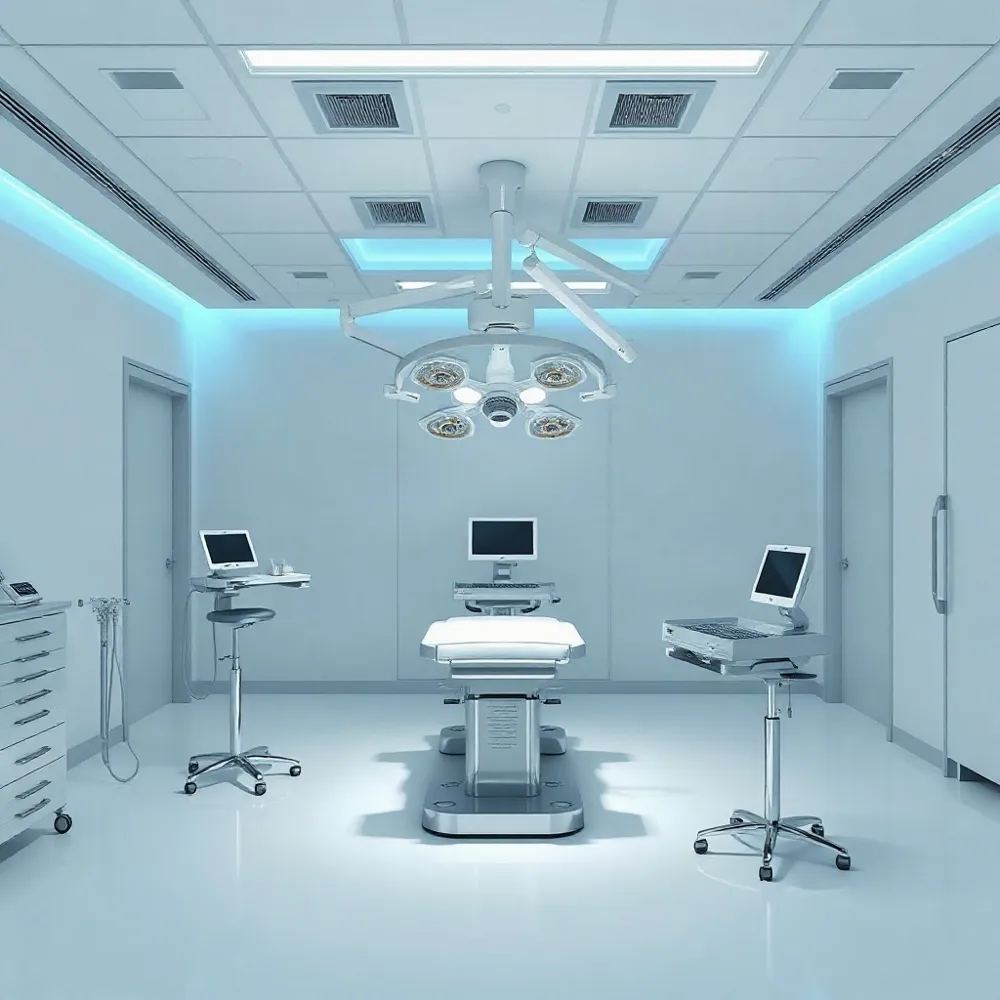 Practical examples of providing compassionate, patient-centered care require surgeons to look beyond technical correction. Instead of focusing solely on medical symptoms, a comprehensive individualized wellness plan accounts for a patient's unique emotional, social, and functional needs. Dr. Rebecca S. Yu integrates these principles by treating patients as active participants, ensuring that personal values and recovery goals remain central to the treatment plan.
What are practical examples of providing compassionate, patient-centered care?
Clinicians can implement a Surgical Compassion Pause, an intentional moment of reflection performed immediately after the standard safety time-out to ground the team in the patient’s humanity. This practice reinforces that an operation is more than a technical procedure; it is a shared human connection. While many high-volume clinics struggle with systemic time constraints, surgeons can utilize micro-practices like sitting down to make direct eye contact or using a patient’s name to improve perception in under 60 seconds.
Collaborative goal-setting serves as a cornerstone for patient agency. By treating patients as equal partners, surgeons align expectations and enhance treatment adherence. To manage time effectively without sacrificing depth, providers can adopt structured communication frameworks such as the Calgary-Cambridge model, which organizes complex encounters efficiently. These strategies ensure that surgical precision is balanced by the empathy necessary for long-term recovery and clinical success.
Brief Moments for Lasting Impact
Many surgeons operate under the pressure of tight schedules, often assuming that providing deep, empathetic care requires hours of additional time. Research shows that meaningful connection is actually achieved through intentional, brief clinical encounters. A study published in JAMA Network Open emphasizes that micro-practices, such as sitting down, making direct eye contact, and naming a patient's emotions, can be executed in under 60 seconds while significantly improving patient perception. These small investments in time act as a powerful antidote to the transactional nature of modern medicine.
What is the 40 seconds of compassion concept in a medical setting?
The 40 seconds of compassion concept posits that brief, focused attention is enough to fundamentally shift the quality of the provider-patient experience. By validating a patient's concerns or showing genuine interest in their story, clinicians reduce patient anxiety and strengthen the underlying therapeutic alliance. For surgeons, these interactions do more than improve patient satisfaction. They serve as a buffer against professional depletion. Research from The Schwartz Center notes that compassionate connection activates neural reward networks, which helps balance the physiological stress response and sustains a sense of purpose.
At rebeccasyumd.com, Dr. Rebecca S. Yu integrates these practices by prioritizing active listening and patient involvement to build trust, mirroring the high-impact approach found in successful surgical paradigms. By fostering psychological safety within the surgical team through mutual respect and shared goals, practitioners move beyond technical tasks toward holistic healing. This culture of care ensures that every team member feels valued, which is linked to lower turnover and increased clinical safety.
Building the Future of Orthopedic Care Together
The future of orthopedic surgery lies in merging high-level technical proficiency with intentional emotional intelligence. Modern practice demands that surgeons look beyond the immediate biomechanical issue to address the full patient experience. As Dr. Rebecca S. Yu demonstrates in her Berkeley-based practice, integrating active listening with surgical precision creates a foundation of trust that improves recovery trajectories.
Committing to patient well-being is not just an ethical choice but a clinical necessity. Research shows that compassionate, relationship-centered communication directly correlates with reduced post-operative pain and lower anxiety. By prioritizing the human connection, surgeons can foster environments where patients feel empowered and understood, ultimately leading to higher patient satisfaction and improved long-term outcomes.
Surgery is increasingly understood as a collaborative, human-centric process. By moving away from the rigid, disease-centered models of the past, orthopedic specialists can provide care that restores both physical function and emotional autonomy. Sustaining this standard requires an ongoing commitment to innovation, education, and the belief that empathy is a primary therapeutic tool in every surgical interaction.