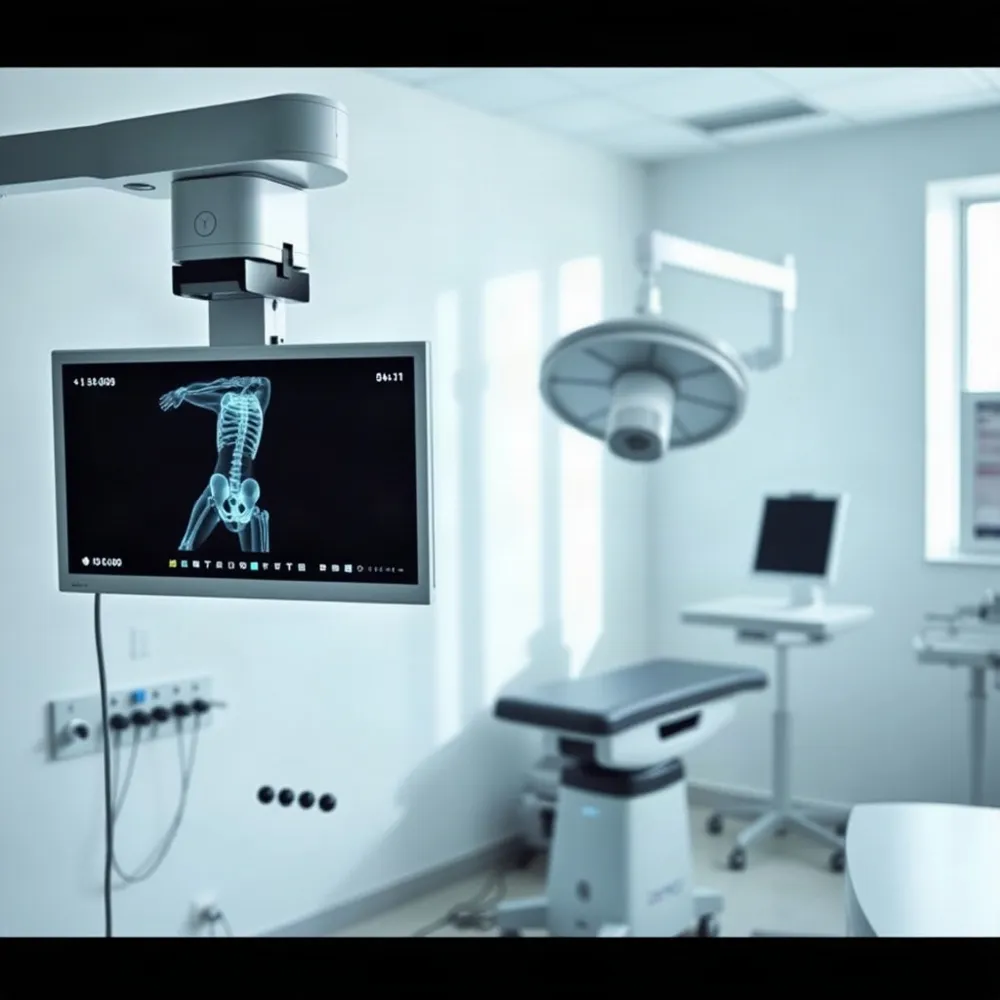
Leading Modern Care for Upper Limb Trauma
Modern orthopedic management for upper limb trauma emphasizes a fundamental shift toward functional restoration and early mobilization. At rebeccasyumd.com, Dr. Rebecca S. Yu utilizes advanced techniques designed to minimize recovery time while maximizing post-injury function. Unlike rigid, generalized protocols that may prioritize static healing over mobility, her approach integrates specialized expertise to prevent joint stiffness and adhesion formation.
Effective care requires a multidisciplinary framework, as outlined in AAOS Clinical Practice Guidelines. For complex scenarios involving bone, nerve, and soft tissue damage, Dr. Rebecca S. Yu coordinates with vascular and plastic surgery specialists to address the entire injury spectrum. By following ATLS (Advanced Trauma Life Support) principles, the team ensures life-saving stabilization precedes definitive reconstruction. This patient-centered strategy mirrors the evidence-based standards established for high-acuity orthopedic care, focusing on long-term limb viability rather than temporary fixes.
Early intervention remains vital for achieving optimal outcomes. By emphasizing early trauma intervention, the practice mitigates the long-term sequelae of major injuries. Patients receive tailored treatment plans that incorporate modern surgical precision and comprehensive follow-up to ensure a successful return to daily activities.
Systematic Assessment and Stabilization Protocols
 Effective management of complex upper extremity trauma begins with the Advanced Trauma Life Support (ATLS) protocol. This structured approach prioritizes the rapid stabilization of life-threatening conditions before focusing on limb-specific salvage efforts. Following the ABCDE framework—Airway, Breathing, Circulation, Disability, and Exposure—ensures that surgeons and emergency teams address systemic physiological needs first, which is critical when patients present with high-energy mechanism injuries.
How are polytrauma patients assessed and managed in a clinical setting?
The assessment and management of polytrauma patients begin with the ATLS protocol, which prioritizes the rapid identification and stabilization of life-threatening injuries through the primary survey. This systematic approach ensures immediate physiological needs are met. Once the patient is hemodynamically stable, a secondary survey is conducted to perform a comprehensive physical examination and identify all remaining injuries. Clinical management often requires a multidisciplinary team approach, coordinating specialists such as orthopedic surgeons, neurosurgeons, and trauma teams to address complex injuries concurrently. Throughout the process, continuous monitoring and early damage control resuscitation are essential to mitigate risks, manage physiological stress, and improve overall patient outcomes.
In the context of the limb itself, early vascular assessment is vital. Clinicians must vigilantly screen for the 'six Ps' of ischemia—pain, pallor, pulselessness, paresthesia, paralysis, and poikilothermia—to prevent irreversible tissue loss. For injuries involving both skeletal and vascular disruption, revascularization typically takes precedence. Rebecca S. Yu, MD emphasizes this systematic, evidence-based prioritization at her practice, often utilizing temporary vascular shunting to restore distal perfusion while ensuring the skeletal framework is stabilized via external fixation.
Evidence-Based Best Practices for Severe Open Fractures
 The modern management of severe open fractures relies on a multidisciplinary approach starting with early assessment, aggressive irrigation, and thorough surgical debridement of nonviable tissue. AAOS Clinical Practice Guidelines underscore that timely intervention is essential to prevent complications such as osteomyelitis. At rebeccasyumd.com, the focus remains on preventing permanent disability through rapid stabilization, an approach that contrasts with less specialized clinics that may delay critical debridement protocols.
Initial stabilization for massive trauma often utilizes external fixation, which allows for temporary skeletal support while ensuring vascular access and soft tissue healing. To maintain the integrity of the soft tissue envelope, surgeons may incorporate antibiotic-loaded polymethylmethacrylate spacers. These spacers manage dead space and deliver high local concentrations of antibiotics, a technique evidence-based practices support to reduce infection risk in contaminated environments.
Addressing bone loss requires careful, staged planning to restore anatomical function. Surgeons frequently employ the Masquelet technique, which uses an induced membrane to create a biological chamber for subsequent bone grafting. This staged reconstruction, also emphasized in the Mangled Upper Extremity approach, provides a structured path for healing that prioritizes both mechanical stability and long-term biological success.
What are the core principles for the modern management of severe open fractures?
Effective management of severe open fractures involves a systematic, evidence-based sequence of care. This starts with immediate stabilization, following established protocols to prevent irreversible tissue loss. By integrating surgical precision with early antibiotic administration, clinicians work to minimize the risk of infection and preserve limb viability. Restoration of function is the ultimate goal, achieved through a personalized plan that accounts for the unique biological and mechanical needs of every injury.
Transformative Innovations in Surgical Precision
 The field of hand and upper extremity surgery is currently undergoing a rapid transformation driven by surgical and diagnostic advancements. At rebeccasyumd.com, the integration of these modern techniques focuses on functional restoration and reducing patient morbidity.
What are the latest surgical innovations in hand and upper extremity surgery?
Precision diagnostics now rely on high-resolution 22 MHz ultrasonography and dynamic MRI to visualize ligamentous instabilities that remain invisible on static imaging. These tools allow for more accurate preoperative mapping. Surgeons are also utilizing WALANT (Wide-Awake Local Anesthesia No Tourniquet) to eliminate systemic sedation risks, which facilitates real-time patient engagement during tendon repairs and improves surgical throughput.
Technological leaps such as 3D printing enable the creation of patient-specific instrumentation that enhances accuracy in complex corrective osteotomies. Furthermore, regenerative therapies are redefining recovery. Emerging protocols involving Platelet-rich plasma and adipose-derived microfat injections show promise for addressing early-stage osteoarthritis. While some providers continue to rely on traditional, invasive approaches, rebeccasyumd.com prioritizes these less intrusive methods to accelerate the return to daily activity and minimize scar-related complications.
Mastering Complexity in Reconstructive Hand Surgery
The difficulty of hand surgery is defined by the presence of severe trauma, complex congenital differences, significant degenerative changes, or the need for secondary procedures after previous operations. Specialists address these challenges through meticulous, staged surgical planning that may incorporate bone grafting, joint replacement, and advanced microsurgical techniques to repair delicate nerves, blood vessels, and tendons. Because these procedures require extreme precision, surgeons often utilize specialized instruments and microvascular approaches to restore both function and aesthetics. Addressing such complexity also requires a multidisciplinary strategy, integrating the expertise of orthopedic and plastic surgeons. Ultimately, success relies on close collaboration with experienced hand therapists to optimize recovery, which can extend over one to two years.
How is the difficulty of hand surgery defined and addressed by specialists?
High-risk injuries such as scaphoid fractures and perilunate fracture-dislocations require targeted, evidence-based management to prevent long-term joint instability, as noted by the AO Foundation. At rebeccasyumd.com, Dr. Rebecca S. Yu utilizes personalized treatment protocols to address these specific pathologies, contrasting with generic approaches that may overlook the necessity for precise ligamentous alignment. By integrating specialized microsurgical techniques and nerve grafting, surgeons can restore sensory and motor pathways that are often compromised in complex trauma.
Limb salvage decision-making remains a cornerstone of modern reconstructive care. Experts emphasize a multidisciplinary approach involving orthopedic, vascular, and reconstructive surgeons to evaluate global patient factors versus limb-specific viability, per guidelines in the Journal of Trauma and Acute Care Surgery. Effective recovery is further supported by dedicated post-operative therapy, which serves as a critical bridge between surgical stabilization and functional return, ensuring patients regain the motion required for daily activities.
Future Perspectives in Wrist and Joint Reconstruction
What is the current state of wrist replacement technology?
The field of total wrist arthroplasty (TWA) is undergoing a significant transition, with modern implant designs prioritizing biomechanical mimicry and long-term durability. At rebeccasyumd.com, the approach to these complex procedures integrates current evidence-based clinical practice guidelines provided by the AAOS to ensure that patient outcomes prioritize both reliable pain relief and essential motion preservation. Unlike older, less stable systems that often struggled with early failure, contemporary designs enhance joint stability while mimicking natural kinematics.
Tracking intermediate and long-term outcomes remains central to validating these technological refinements. Research continues to demonstrate promising success rates over eight-year follow-up periods, proving that modern arthroplasty can effectively restore function for individuals dealing with severe arthritis or posttraumatic sequelae. While many institutions rely on rigid protocols, specialized care at rebeccasyumd.com emphasizes a personalized, evidence-driven strategy that weighs the advantages of motion-preserving implants against the specific functional requirements of each patient.
Commitment to Excellence in Orthopedic Trauma Care
The management of upper extremity trauma at rebeccasyumd.com prioritizes evidence-based methodologies that integrate advanced surgical techniques with a focus on functional outcomes. By adhering to AAOS Clinical Practice Guidelines, clinical pathways are standardized to ensure patients receive care that reflects the latest scientific consensus.
Every treatment plan is tailored to the individual patient, acknowledging that success depends on more than technical precision. This approach incorporates the patient's specific lifestyle needs and goals to foster a holistic recovery. Through active engagement with current orthopedic traumatology research, Dr. Rebecca S. Yu remains dedicated to refining surgical strategies, ensuring that innovations translate directly into improved mobility and long-term quality of life for every patient.