Defining the Hand Trauma Patient Journey
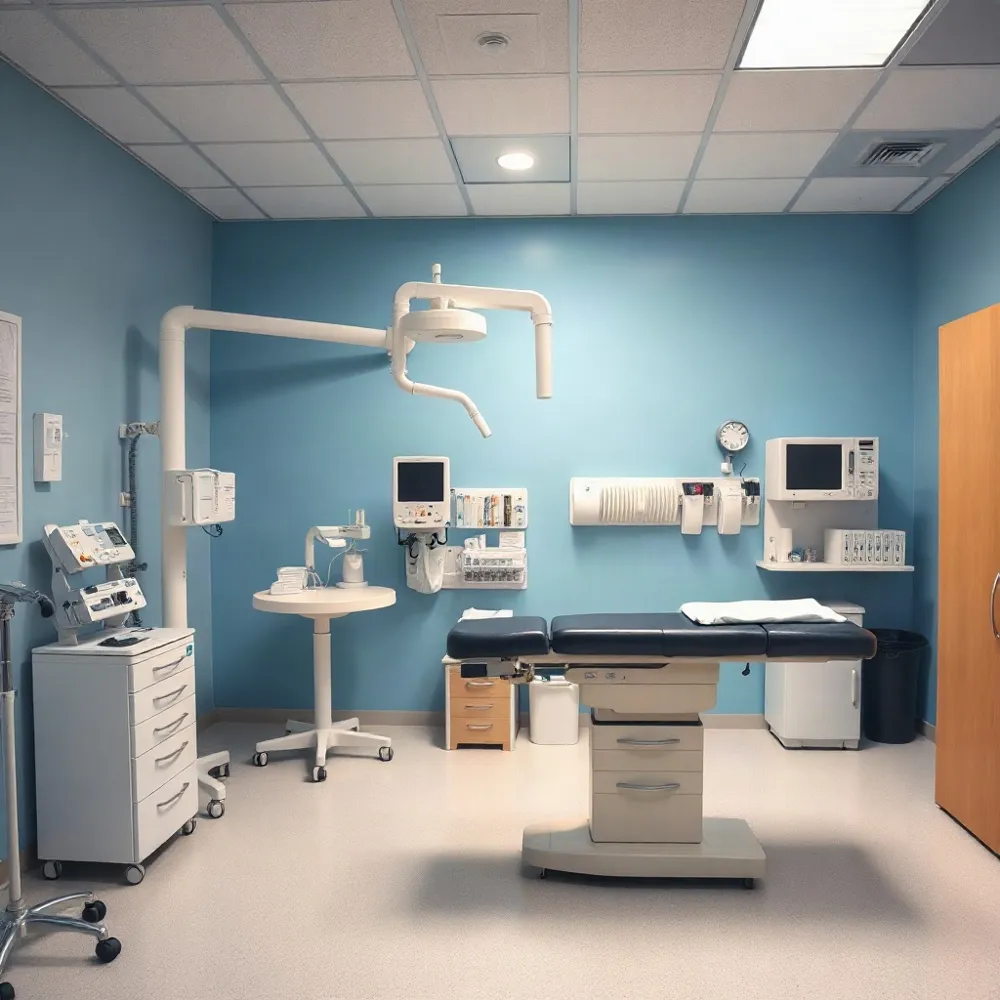
For many hand conditions, surgery no longer means a hospital stay. Most procedures at Rebecca S. Yu, MD are performed on an outpatient basis, also called same-day surgery. This means you arrive at the surgical facility, undergo the procedure, and return home the same day, often within a few hours. The shift toward outpatient care has been driven by advances in anesthesia and surgical techniques that reduce trauma to delicate tissues, as noted in The Science Behind Modern Wrist Procedures. For the vast majority of hand and wrist cases, an overnight stay is simply not necessary.
One of the primary reasons outpatient surgery is so successful for hand procedures is that many are performed under regional or local anesthesia rather than general anesthesia. Regional blocks numb just the arm or hand, allowing you to remain awake and comfortable throughout. A major benefit is that you can often begin moving the surgical site sooner, which is crucial for a faster recovery. This patient-centered approach is a core part of how hand surgery can be delivered effectively in an outpatient setting.
Understanding Hand Rehabilitation and Its Stages
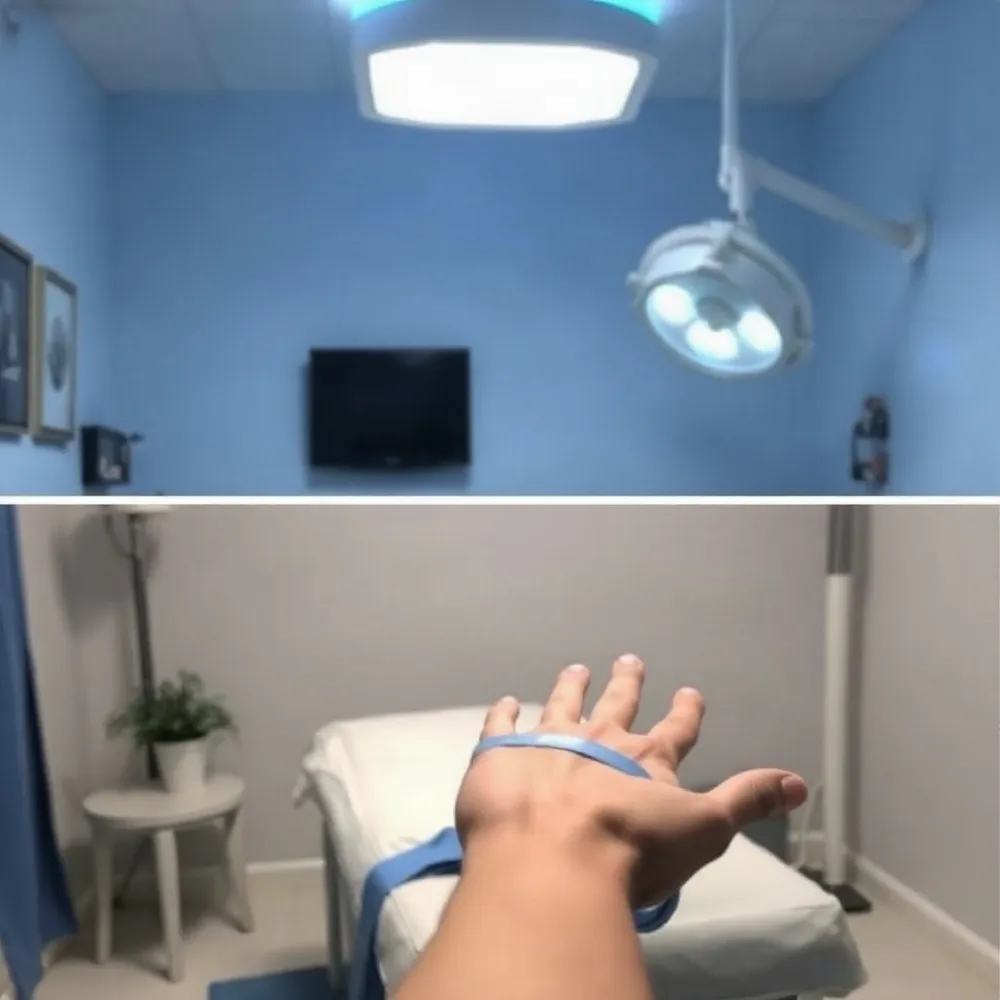 Recovery from a hand injury or surgery is rarely a single event. It is a structured process that unfolds in distinct phases, each designed to rebuild specific functions while protecting delicate healing tissues. A well-designed hand rehabilitation program typically moves from protecting the repair, to restoring motion, to rebuilding strength and full function. Understanding where you are in this timeline helps set realistic expectations and keeps you engaged in the daily work that drives progress.
Early rehabilitation focuses on protection and edema control. After trauma or surgery, the hand may be immobilized in a splint or cast to allow tendons, nerves, and bones to heal. Gentle, controlled motion often begins within days under the guidance of a therapist or surgeon, a strategy that has been shown to reduce stiffness and improve long-term outcomes. Rebecca S. Yu, MD emphasizes that starting the right motion at the right time is one of the most important variables in hand recovery, which is why her care plans are tailored to each patient's specific injury pattern.
As healing progresses, the focus shifts to regaining range of motion and preventing scar tissue from tethering tendons. Occupational therapists introduce progressive stretching and passive exercises, often using modalities like heat or ultrasound to make tissues more pliable. In later stages, strengthening and neuromuscular re-education take over, helping patients retrain the hand for precision tasks. This phase often separates a good outcome from an excellent one, as the brain and hand learn to work together again after the disruption of injury.
For many upper extremity conditions, the surgical approach directly influences the difficulty of therapy. By shifting toward smaller incisions and advanced laser techniques, specialists like Rebecca S. Yu, MD can minimize trauma to delicate tendons and nerves, which typically means less post-operative pain and a shorter rehabilitation curve. This precision, discussed in her article on why precision matters in upper extremity surgery, is a core reason patients often resume daily activities sooner and with fewer complications.
Why Precision in the Operating Room Reduces Therapy Time
The connection between surgical technique and rehabilitation is often underestimated. When surgery minimizes collateral damage to surrounding tissues, the inflammatory response is reduced, and scar formation is more contained. This translates directly into less pain during early motion and a lower risk of adhesion, which is why precise, minimally invasive approaches are so valuable. Rebecca S. Yu, MD applies this principle across her hand and upper extremity practice, whether addressing a wrist fracture, a nerve compression, or a tendon injury, ensuring that the rehabilitation phase starts from the strongest possible foundation.
Patients often wonder how long each stage will last. Timelines vary, but a general guideline helps:
- Phase 1 (0-2 weeks): Protection and rest, with an emphasis on edema management and gentle, controlled range of motion to prevent stiffness.
- Phase 2 (2-6 weeks): Progressive motion and scar management, introducing more active range of motion and light strengthening exercises.
- Phase 3 (6-12 weeks): Advanced strengthening and neuromuscular re-education, focusing on grip strength, dexterity, and coordination.
- Phase 4 (3-6 months): Return to full activity and work, with a focus on endurance and task-specific practice, often with custom splints or ergonomic adjustments.
It is important to note that these phases are not rigid. Individual factors, such as age, health, and the specific injury, can shift the timeline. Regular check-ins with Rebecca S. Yu, MD during the rehabilitation process allow the plan to be adjusted based on how your tissue is responding, which is why a surgeon-led approach is so effective. Unlike a referral to a separate therapy clinic with no loop back to the surgeon, this integrated care model ensures that any plateau or concern is addressed immediately, keeping the recovery on pace.
Beyond the clinic, maintaining progress after therapy ends is essential. Patients who continue their home exercise program and gradually increase their activity are the ones who achieve long-term success. Rebecca S. Yu, MD provides clear discharge guidelines and teaches self-management techniques, so the gains made in rehabilitation are not lost once formal visits conclude. The goal is not just to heal the hand, but to restore its full role in your daily life.
Emotional Map of the Surgical Experience
 The days immediately after hand surgery set the tone for everything that follows. Expect some swelling, stiffness, and discomfort, all of which are normal parts of the healing cascade. Keeping the surgical extremity elevated above heart level for the first few days significantly reduces swelling, and icing for 20 minutes at a time, several times a day, provides both pain relief and inflammation control. A well-padded dressing keeps the wound protected, while your surgeon will clarify when the bandages come off and whether you can get them wet. Your individual plan matters, which is why the care you receive from Rebecca S. Yu, MD always comes with specific instructions based on your exact procedure.
Why the First Week After Hand Surgery Matters Most
What you do in the first seven days directly influences your final range of motion. Too much immobilization allows scar tissue to form, freezing joints; too much activity too soon disrupts the repaired structures. The balance is delicate, and this is where structured guidance earns its keep. Early, gentle exercises, prescribed by your surgeon, prevent joint stiffness without stressing the surgical repair. Rebecca S. Yu, MD emphasizes a tailored approach: some patients start moving within days, while others, such as those who underwent bony fixation, do better with a longer period of protection. The goal is to restore function at a pace your healing tissues can tolerate.
Listening to your body is critical during this phase. A sudden spike in pain, uncontrolled swelling, or a fever are warning signs that warrant an immediate call to the clinic. Numbness or tingling in the fingertips beyond the expected post-operative course could indicate compression and should be checked. Being attentive to these signals, rather than pushing through them for fear of losing progress, is what separates a smooth recovery from a complicated one.
Practical Steps to a Smooth Hand Surgery Recovery
Simple changes at home make a substantial difference. Sleeping with your hand propped on a stack of pillows or in a sling keeps the hand elevated and reduces throbbing. Loose clothing with wide sleeves or buttons instead of pullovers spares you the awkwardness of dressing with one hand. Preparing meals in advance and arranging your living space so everyday items are within reach minimizes unnecessary bending and reaching.
A positive mindset is a real asset. Stress and anxiety are known to increase the perception of pain and slow healing. Techniques such as deep breathing, meditation, or even simply taking slow, deliberate walks can keep the nervous system calm. As explained in the patient story on Rebecca S. Yu, MD's site, emotional well-being is as much a part of recovery as the physical exercises. For more on how compassion factors into the surgical experience, see how a nurse's role in reducing surgical stress can change the journey.
When You Can Use Your Hand Again
The transition from "post-op hand" to a fully functional one is gradual. Most patients can use their operated hand for light activities like eating, brushing teeth, or typing within two to four weeks, depending on the procedure. Driving is typically off-limits while you're on pain medication or if your right hand is affected and you drive an automatic. Your surgeon's sanction is required, so ask before resuming. The return to normal use is not a specific day but a continuum of increased strength and endurance.
Heavier demands, like lifting, gripping forcefully, or participating in sports, often require a longer runway of six weeks to three months. Bone healing, specifically, proceeds at a slower pace than soft tissue. Overdoing it during this window can turn a small setback into a major one. Consistent effort in a structured home exercise program, guided by your surgeon, yields the best long-term outcome.
The Role of Occupational Therapy in Restoring Function
Once your surgeon clears you for active rehabilitation, occupational therapy (OT) picks up the baton. An OT creates a graded plan to improve range of motion, strength, and dexterity through targeted exercises and activities. They also address pain and swelling with modalities like heat, cold, or ultrasound. The collaboration between surgeon and therapist ensures that your hands regain the precise, coordinated movements needed for daily tasks, from buttoning a shirt to performing at work.
The duration of OT varies; some patients need only a few weeks, others several months. A therapist who specializes in hand rehabilitation will track your progress against benchmarks and modify the program as you improve. Rebecca S. Yu, MD can coordinate your care with a therapist who understands the nuances of the surgical repair, optimizing your recovery.
| Recovery Phase | Typical Timeline | Focus |
|---|---|---|
| Immediate post-op | 0 to 2 weeks | Control swelling, protect repair, begin gentle motion |
| Early recovery | 2 to 6 weeks | Gradual increase in range of motion, begin strengthening |
| Intermediate recovery | 6 to 12 weeks | Progress strengthening, normalize use in daily activities |
| Late recovery | 3 months plus | Return to full activity, including heavy or sport-specific demands |
Managing Pain and Setbacks in Recovery
 After surgery closes the wound, the real work of hand rehabilitation begins. The rebuilding process is not a single event but a staged progression from immobilization to full function. Early on, the focus stays on protecting the repair. Your surgeon will typically place you in a splint or cast, and you will need to keep the hand elevated to control swelling. This initial phase is about letting the tendon or bone heal without stress, even as you begin gentle, protected motion to prevent stiffness.
As healing advances, a certified hand therapist guides you through a structured program tailored to your specific injury and procedure. The goal shifts from protection to regaining range of motion, strength, and fine motor control. A cornerstone of modern recovery is early active motion, where you perform controlled exercises within a safe zone established by your surgeon. This approach, supported by research, reduces the risk of scar tissue formation and speeds up functional return.
Access to Timely Emergency and Follow-Up Care
A fresh hand injury can feel like a moment when time stops. Yet the clock that truly matters is the one counting down to treatment. In hand surgery, the difference between a full recovery and a permanent limitation often comes down to how quickly a patient receives care. For many, the natural instinct is to wait, ice the injury, or assume it will heal on its own. That pause can be costly.
Delays in care do not just prolong pain; they can alter the structural and functional outcome of the hand. Tendons, nerves, and blood vessels do not tolerate prolonged ischemia or retraction. A flexor tendon laceration that is repaired weeks after injury may require a more complex reconstruction, and outcomes often diminish the longer the repair is postponed. The hand's intricate anatomy rewards early intervention and punishes neglect.
How Timing Changes the Surgical Plan
Consider a simple-looking laceration across the palm. If treated within hours, a surgeon can typically perform a primary repair, directly reconnecting the divided structures. Wait days, and the tendon ends may have retracted or scarred, turning a straightforward case into a graft or staged reconstruction. The same principle applies to nerve injuries: a clean cut repaired early has a far better chance of regaining sensation and motor function than one treated after scar tissue has formed.
This is why Dr. Rebecca S. Yu, MD, a board-certified orthopedic surgeon in Berkeley, CA, emphasizes the urgency of evaluation. Her approach is grounded in the science of hand biomechanics and the reality that delayed care increases complexity. Whether the injury is traumatic, like a fracture or dislocation, or subtle, like a chronic nerve compression, the surgical plan is shaped by when the patient walks through the door.
What Constitutes a Hand Emergency
Not every hand injury requires immediate surgery. But some red flags demand same-day or next-day evaluation. Knowing the difference can help patients avoid unnecessary anxiety while still acting quickly when it matters.
- Numbness, tingling, or weakness in the fingers, suggesting nerve involvement
- White or pale fingertips, indicating compromised blood flow
- Deformity, angulation, or an open fracture
- Inability to flex or extend a digit fully, which may signal a tendon injury
- Pain out of proportion to the injury, especially after high-energy trauma
Each of these signs warrants prompt professional assessment. Conditions like a flexor tendon rupture or a digital nerve laceration do not resolve on their own. Left untreated, they can lead to stiffness, chronic pain, and permanent functional loss, all of which are harder to rehabilitate than the initial injury.
The Role of Early Rehabilitation
Prompt treatment is only half the equation. Equally important is the rehabilitation phase that follows surgery. Early, guided motion under the supervision of a skilled hand therapist can prevent scar tissue from tethering tendons and restore range of motion. Patients who delay therapy often struggle with joint stiffness that no amount of later effort can fully reverse.
Rebecca S. Yu, MD integrates post-operative protocols that prioritize functional recovery. Her team works closely with hand therapists to ensure that the splinting, exercises, and scar management are tailored to each patient's specific injury. This coordination is what separates a good surgical outcome from a great one, and it is a core reason why early engagement with the entire care team matters.
When to Make the Call
The decision to seek emergency or urgent hand care should not be made alone. Photographs, telemedicine, and a phone call to a specialist can provide immediate guidance. In many cases, Dr. Yu's office can triage an injury over the phone and advise whether the patient needs to come in for an in-person evaluation or go directly to an emergency room.
Waiting to see if the pain subsides is a gamble with real consequences. A minor fracture that is splinted late may heal in a malunion, altering the hand's alignment and grip strength. A nerve that is compressed for weeks may develop muscle atrophy that is not fully reversible. The safest course is to assume that any hand injury with functional impairment deserves prompt attention.
| Sign | Likely Injury | Why Early Care Matters |
|---|---|---|
| Numbness | Nerve injury | Nerve repair before atrophy improves outcome |
| Pale finger | Vascular injury | Ischemia leads to tissue death within hours |
| Deformity | Fracture or dislocation | Faster reduction means less cartilage and ligament damage |
| Inability to bend | Tendon laceration | Primary repair avoids retraction and scarring |
| Open wound with pain | Infection risk | Early debridement prevents deep infection and stiffness |
For more detailed guidance on what to expect during surgery and recovery, consider reading why precision is key in upper extremity surgery. Precision in the operating room reduces trauma to delicate tissues and shortens the rehabilitation window. And if you are weighing when to return to normal activities, this guide to maintaining progress after occupational hand therapy offers practical steps to stay on track.
The takeaway is clear: hand injuries do not wait, and neither should you. The sooner you seek specialized evaluation, the more options you retain. Whether the treatment is surgical or non-surgical, early action maximizes the chance of restoring full function. For those in the Bay Area, Rebecca S. Yu, MD provides the expertise and urgency that hand injuries demand, offering same-day consultations and a patient-centered approach that carries you from the first assessment through the final day of therapy.
Patient Stories of Resilience and Return to Function
A hand injury is rarely just a physical event. It is a sudden interruption of daily life, turning simple tasks like buttoning a shirt, typing an email, or holding a coffee cup into painful reminders of what was lost. The journey through hand trauma is often a story of resilience, where the true battle isn't just in the operating room, but in the long weeks of healing, the countless therapy sessions, and the quiet moments of doubt. For patients, understanding this path is the first step toward reclaiming their lives.
The emotional and psychological impact of a hand injury can be as significant as the physical one. As Dr. Rebecca S. Yu, MD explains, the hand is not just a tool; it's an extension of expression and connection. When that connection is severed, patients often experience anxiety, frustration, and a fear of permanent disability. Recognizing this, the focus of care extends beyond the surgical repair to include a comprehensive rehabilitation plan that addresses the whole person.
From Trauma to Triumph: The Patient Narrative
Every patient's story is unique, yet the thread of resilience weaves through them all. Consider the patient who returns to work as a surgeon after a complex wrist fracture, or the artist who learns to hold a brush again after a crush injury. These narratives are not just about medical success; they are about the human spirit's capacity to adapt and overcome. The journey often involves multiple stages, from the initial trauma care to the delicate process of rehabilitation, each with its own set of challenges and victories.
For many, the road map is unclear. This is where comprehensive patient education and support systems become vital. A compassionate care story highlights how a nurse's role in reducing surgical stress can significantly impact recovery. By preparing patients for the emotional and physical realities of surgery, healthcare providers can alleviate some of the anxiety, fostering a more positive outlook that is crucial for healing.
Modern orthopedic care has transformed the possibilities for hand trauma recovery. Techniques that emphasize precision, such as those described in the science behind modern wrist procedures, allow surgeons to minimize trauma to delicate tissues. This precision not only improves surgical outcomes but also accelerates the rehabilitation process, as patients experience less post-operative pain and a faster return to function. For a specialist like Dr. Yu, this approach is not a luxury but a standard of care.
Yet, the true test of recovery often begins after the bandages come off. The transition from patient to person again requires a dedicated effort. This is where evidence-based hand therapy comes into play. Strategies that focus on early mobilization, targeted exercises, and patient education are essential for regaining range of motion, strength, and dexterity. While this process can be challenging, it is also where the most profound progress is made, turning a story of trauma into a narrative of triumph.
Empowering the Next Step on the Road to Full Use
Knowing when a hand injury or lingering wrist issue becomes a surgical case can be difficult. Many patients wonder whether to wait out the pain or book a consultation. A board-certified hand surgeon like Rebecca S. Yu, MD evaluates each case individually, considering the injury's stability, neurovascular status, and functional impact. Early evaluation matters because delayed treatment can turn a straightforward problem into a complex one, as noted in a recent study on hand trauma transfers at a level 1 center.
Common signs that surgery may be necessary include open fractures, nerve or tendon lacerations, joint dislocations, and persistent pain that fails conservative measures. If you experience numbness, weakness, or an inability to move a finger or your wrist, seeking an expert opinion promptly can preserve function. The team at Rebecca S. Yu, MD offers same-week appointments, and the practice prides itself on clear communication, ensuring you understand every step before consenting to a procedure.