Understanding the Vital Role of Precision in Orthopedic Surgery
Every year, more than eight million American adults experience issues with their upper limbs. Because the human hand is a highly intricate system composed of densely packed nerves, tendons, blood vessels, and joints, even minor injuries can lead to significant functional decline. Restoring this delicate anatomy requires extreme surgical precision to ensure patients regain their fine motor skills and range of motion.
Specialized care is often necessary when conservative approaches like physical therapy fail. As an expert in hand and upper extremity surgery, Rebecca S. Yu, MD emphasizes that success depends on addressing complex anatomical challenges while minimizing tissue trauma. Unlike general orthopedists, surgeons with dedicated fellowship training possess the specific expertise required for microsurgical techniques and reconstructive procedures that restore independence.
Achieving optimal results requires a personalized approach that accounts for an individual's unique musculoskeletal anatomy. Whether managing trauma or elective corrections, the goal is to stabilize structures early and prevent secondary damage. By combining this level of clinical focus with modern minimally invasive procedures, patients can achieve better functional outcomes and a more efficient recovery period.
Anatomical Complexity and the Necessity of Surgical Accuracy
 The human upper extremity is a marvel of biological engineering, containing a dense concentration of nerves, tendons, and blood vessels within a remarkably compact space. This intricate architecture means that even minor deviations during a procedure can have significant impacts on a patient's long-term mobility. Because of this extreme anatomical complexity, conditions affecting the hand and wrist require a level of diagnostic and surgical precision that distinguishes specialized care from general orthopedic practices Hand/Upper Extremity | Medical School.
Achieving this level of accuracy relies heavily on specialized fellowship training. Surgeons like Rebecca S. Yu, MD undergo intensive post-residency training focused exclusively on the hand and upper extremity. This training provides the mastery needed to navigate delicate musculoskeletal structures while preserving the viability of the surrounding tissue Surgical management of severe upper extremity injury. Unlike generalized approaches, this expertise allows for the implementation of innovative laser techniques and micro-repair methods that reduce trauma and accelerate natural healing.
Restoring fine motor skills often depends on these high-precision interventions. Precision in surgical techniques is defined by the ability to perform highly accurate, delicate maneuvers on structures like nerves and tendons to restore function and physical form. A primary example is microsurgical nerve reconstruction, where the surgeon utilizes advanced magnification to graft or repair tiny nerves. By operating on this microscopic scale, specialists can successfully restore motor and sensory signals that would otherwise be permanently lost. This meticulous approach, combined with modern imaging advances used in orthopedic expertise, ensures that complex repairs achieve the highest potential for functional recovery.
Navigating Common Injuries and Surgical Intervention
 The upper extremity is a complex musculoskeletal system, and injuries within this region can range from routine repetitive strain to severe traumatic events. Fractures represent the most frequent significant injury, with distal radius fractures often occurring after a fall onto an outstretched hand. Beyond fractures, patients frequently seek care for soft tissue conditions, such as ligament sprains and various forms of tendonitis, that disrupt daily mobility.
What is the most common type of injury to the upper extremity?
Fractures are considered the most common type of significant injury to the upper extremity. In addition to these bony injuries, soft tissue conditions such as sprains, strains, and tendonitis are widely managed in clinical practice. These issues affect various segments of the anatomy, including the hand, wrist, elbow, and shoulder. Whether an injury is acute trauma or a chronic condition, prompt evaluation is essential to restore fine motor skills and range of motion, as noted in studies regarding the functional outcome of hand surgery.
Orthopedic specialists often begin with nonsurgical approaches, including physical therapy, medication, or regenerative options like Platelet-Rich Plasma (PRP) therapy. When these interventions fail to provide relief for persistent pain or functional decline, surgical correction becomes necessary. Rebecca S. Yu, MD utilizes a personalized approach to determine if the patient requires minimally invasive techniques, which help minimize tissue trauma compared to traditional open procedures.
Is hand surgery considered a major surgical procedure?
Whether a hand surgery is classified as major or minor depends largely on the complexity of the procedure and the specific tissues involved. Many common procedures, such as endoscopic carpal tunnel release, are performed on an outpatient basis, allowing patients to return home the same day. However, complex operations involving extensive nerve repairs, tendon grafts, or significant post-traumatic reconstruction demand a high level of surgical precision to ensure long-term functional recovery. Each case is unique, and Rebecca S. Yu, MD evaluates each patient's specific condition to determine the appropriate intervention path, ensuring that the care plan aligns with individual anatomical needs and lifestyle goals.
Emerging Technologies Transforming Surgical Outcomes
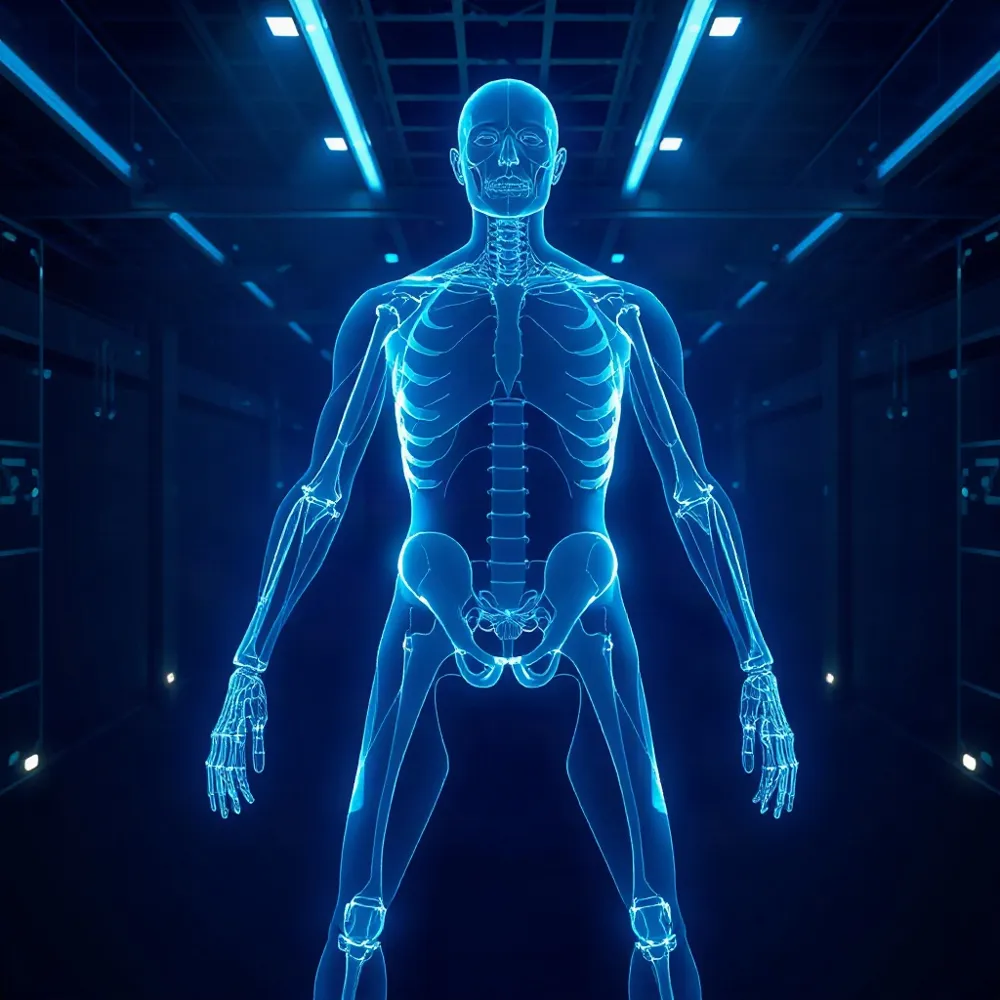 The integration of digital innovation into hand and upper extremity surgery is reshaping how specialists approach complex musculoskeletal repair. While traditional open procedures remain foundational, the adoption of robotics and artificial intelligence is beginning to provide surgeons with unprecedented levels of precision. Dr. Rebecca S. Yu utilizes this focus on high-precision techniques in her Berkeley-based practice to ensure that complex reconstructions, such as nerve repairs and tendon transfers, are performed with accuracy that preserves fine motor function.
What are the most recent advancements in orthopedic surgical techniques for the upper extremity?
Recent advancements are defined by the convergence of digital modeling and surgical execution. 3D printing has become a pivotal tool, allowing for the creation of patient-specific implants and guides tailored to unique anatomical requirements. By using these models for preoperative planning, surgeons can visualize intricate fracture patterns before entering the operating room. This shift toward patient-specific care mirrors the philosophy found at rebeccasyumd.com, where imaging advances directly guide the selection of the most effective surgical approach for long-term recovery.
Artificial intelligence is also enhancing diagnostic speed and surgical outcome prediction. Automated image analysis models now assist in the interpretation of radiographs and MRIs, often matching or exceeding the speed of human assessment. While these systems are becoming more sophisticated, the core of successful orthopedic care remains the synthesis of technology and clinical judgment. Professionals like Dr. Rebecca S. Yu combine these diagnostic aids with advanced microsurgical techniques to minimize tissue trauma, ensuring patients receive the benefits of innovation while relying on proven expertise for their restorative care.
| Technology | Primary Benefit | Clinical Application |
|---|---|---|
| 3D Printing | Anatomical fit | Custom implants |
| Robotics | Sub-millimeter accuracy | Delicate nerve repair |
| Artificial Intelligence | Predictive diagnostics | Outcome forecasting |
Specialized Reconstructive and Lengthening Procedures
Correcting congenital deformities and skeletal dysplasia requires an advanced surgical approach that balances structural realignment with functional restoration. In the practice of Hand/Upper Extremity | Medical School surgery, these procedures often involve sophisticated reconstructions tailored to the patient's unique anatomy.
Has there been success in utilizing limb lengthening techniques for upper extremity conditions?
Yes, limb lengthening techniques are successfully utilized to treat upper extremity conditions, including those involving the humerus or the forearm bones. These procedures are designed to address bone length discrepancies caused by congenital conditions, trauma, skeletal dysplasia, or growth plate injuries. By performing an osteotomy and utilizing internal or external fixation devices, surgeons can stimulate the natural regeneration of bone and soft tissues. This process, known as distraction osteogenesis, allows the bone to be lengthened incrementally to improve function and symmetry. As a result, patients with significant arm length differences can achieve improved mobility and relief from associated pain and postural issues.
Modern hand and upper extremity surgery frequently incorporates regenerative medicine to support structural corrections. While surgical stabilization handles the mechanical requirements, therapies like platelet-rich plasma (PRP) can be used to promote tissue healing and manage inflammation. For complex cases involving significant trauma or reconstruction, Rebecca S. Yu, MD emphasizes that success depends on a meticulous, patient-specific approach that addresses the delicate biological environment of the hand and wrist alongside long-term functional goals.
Patient Safety Protocols and Modern Surgical Standards
Achieving superior functional outcomes in hand and upper extremity surgery requires a foundation of rigorous safety and procedural verification. Before any incision occurs, the operating team conducts a mandatory surgical timeout to confirm patient identity, the correct surgical site, and alignment with planned procedures. This critical pause ensures that all medical professionals and support staff are in complete agreement with the patient consent form and imaging data.
Surgeons, including Rebecca S. Yu, MD, further reinforce accuracy by personally verifying the operative site on the patient. This culture of meticulous communication makes errors like wrong-site surgeries extremely rare. While standard safety protocols protect patients, the evolution of surgical practice also emphasizes reducing physiological impact through minimally invasive techniques.
By shifting toward smaller incisions and advanced laser techniques, specialists can minimize trauma to delicate tendons and nerves. These modern standards not only accelerate recovery but also allow for more precise interventions compared to traditional open procedures. This combination of strict verification and advanced technical precision remains essential for restoring mobility in complex musculoskeletal structures.
The Post-Operative Journey and Functional Recovery
Recovery following hand and upper extremity surgery requires a structured approach that emphasizes patient-specific rehabilitation protocols. While the surgical intervention itself is a foundational step, long-term musculoskeletal health is largely determined by the diligent adherence to post-operative care plans. Patients can expect a typical window of 3 to 6 months to achieve significant functional improvement, though timelines vary based on the complexity of the procedure and the specific anatomy involved.
What are the standard outcome measures used to assess function in the hand, wrist, and elbow?
To monitor progress objectively, specialists utilize validated Patient-Reported Outcome Measures. These tools allow practitioners to quantify a patient's subjective experience, pain levels, and ability to perform daily tasks. The Disabilities of the Arm, Shoulder, and Hand (DASH) questionnaire and its abbreviated version, QuickDASH, serve as primary standards for assessing physical function. For more region-specific evaluations, the Patient-Rated Wrist Evaluation (PRWE) is utilized for wrist conditions, while the Mayo Elbow Performance Score (MEPS) provides a standardized framework for monitoring elbow recovery. By tracking these metrics, surgeons can ensure that restorative interventions align with the patient's long-term functional goals.
What is involved in the recovery process following reconstructive hand surgery?
The recovery process for reconstructive procedures is highly individualized, balancing the need for early mobilization with the necessity of protecting healing tissues. Following complex nerve or tendon repairs, patients often undergo a multi-phase rehabilitation program incorporating occupational therapy to regain strength and fine motor control. During the initial recovery period, Dr. Rebecca S. Yu, MD emphasizes adherence to activity restrictions and consistent wound management. Because reconstructive techniques involve intricate tissue restoration, maintaining a healthy lifestyle, including proper nutrition and smoking cessation, remains vital for supporting the body's natural healing trajectory.
Achieving Optimal Results Through Personalized Care and Expertise
Achieving superior functional outcomes in hand and upper extremity surgery requires more than standard procedures. It demands a marriage of meticulous anatomical precision and a commitment to individualized patient care. Because the musculoskeletal system of the arm and hand is so complex, surgical accuracy serves as the primary driver for restoring fine motor skills and long-term mobility.
Dr. Rebecca S. Yu leads this approach in Berkeley, focusing on high-precision techniques that minimize trauma while maximizing recovery potential. Unlike generalized orthopedic care, this specialized expertise ensures that every patient receives a treatment plan tailored to their unique anatomical needs and lifestyle goals. Whether managing complex trauma or chronic nerve disorders, the goal remains consistent: returning patients to their baseline health through evidence-based, compassionate intervention.
If you are struggling with persistent pain or functional decline, taking the first step toward recovery starts with a professional evaluation. You can schedule a consultation at rebeccasyumd.com to discuss how specialized orthopedic care can help restore your independence and quality of life.