A Changing Approach to Hand Trauma
Hand trauma can involve more than a broken bone. A single injury may affect joints, tendons, nerves, blood vessels, or skin, so assessment needs to account for how these structures work together. Soft-tissue damage can accompany a fracture or dislocation, even when the bone injury is easiest to see, as Cleveland Clinic’s overview of soft-tissue injuries explains.
Recent changes in care include clearer imaging, less invasive procedures, patient-specific reconstruction, and new rehabilitation tools. These are not one new operation or a replacement for clinical judgment. For example, high-resolution ultrasound and dynamic MRI may help assess structures that standard images can miss, while three-dimensional planning can support reconstruction in selected cases. A recent review describes these developments and stresses that they still require validation and equitable access.
For patients in Berkeley, Dr. Rebecca S. Yu’s practice provides information on trauma, hand and wrist conditions, and treatment options, with appointment booking through rebeccasyumd.com. The right plan depends on the injury, the person’s needs, and the strength of evidence: promising technologies and small technique reports should not be treated as proven choices for everyone.
Recognizing Injuries and Choosing Initial Care
 Hand injuries range from bruises and cuts to fractures, sprains, ligament tears, dislocations, crush injuries, and damage to tendons or nerves. Tendon injuries can make it hard to bend or straighten a finger, while nerve injuries may cause numbness, tingling, or weakness.
Pain, swelling, stiffness, reduced movement, and visible deformity can signal a serious injury. Soft tissues, including tendons and ligaments, may also be damaged when a bone is fractured or a joint is dislocated, so a clear injury on an X-ray may not tell the whole story. Soft-tissue injuries are assessed through an examination and, when needed, imaging.
Treatment depends on the structures involved and the injury’s severity. Some injuries can be managed with protection, a splint or cast, ice, elevation, and suitable pain relief. As healing progresses, a clinician may recommend guided movement or rehabilitation to restore function. Certain fractures, dislocations, and significant tendon, nerve, or other soft-tissue injuries may need surgery.
Seek prompt medical assessment for severe pain, deformity, an open wound, worsening symptoms, numbness, or difficulty moving or feeling the hand. Dr. Rebecca S. Yu, MD, is a Berkeley-based orthopedic surgeon specializing in hand and upper-extremity care, and her practice provides information on injury assessment and treatment options.
Soft Tissue Care and Recovery
Sprains affect ligaments, strains affect muscles or tendons, and contusions are bruises caused by impact. Damage can range from stretching to partial or complete tears, and a fracture may occur alongside soft-tissue injury. Treatment depends on which structures are involved and how severely they are damaged.
For a mild injury, protect the hand from activities that cause pain, apply ice through a towel for about 20 minutes at a time, and elevate the hand to reduce swelling. Use appropriate pain relief and follow clinical advice about whether a splint is needed. The NHS hand and wrist injury guidance recommends gentle movement and a gradual return to heavier activity as symptoms allow.
Many hand and wrist soft-tissue injuries take six to eight weeks or longer to heal, depending on the tissue and severity, according to the NHS leaflet. More serious injuries may take months or require surgery and rehabilitation. Dr. Rebecca S. Yu, MD, is a board-certified orthopedic surgeon specializing in hand and upper-extremity care in Berkeley; an examination can help assess whether further treatment is needed.
Seek medical care for severe or worsening pain, deformity, numbness, inability to move a finger, or symptoms that fail to improve. Assessment can help identify a fracture or significant tendon or ligament tear. For practical steps while arranging care, see the hand injury checklist.
Fracture Treatment and New Planning Tools
 How are hand fractures treated, and how long does recovery usually take? The plan depends on where the bone is broken, how well the pieces line up, whether the fracture is stable, and whether it reaches a joint or breaks through the skin. A stable fracture may be treated with a splint or cast, while a displaced or unstable injury may need realignment and fixation.
Follow-up imaging helps the care team check bone position and healing. Bone healing commonly takes about six to eight weeks, but timing varies by fracture and patient; comfortable movement, strength, and dexterity may take several months to return. At rechecks, Dr. Rebecca S. Yu, MD can assess the injury and discuss treatment options, with recovery plans shaped around the fracture and the patient’s needs.
New imaging methods can add detail when a fracture or nearby soft-tissue injury is complex. High-resolution ultrasound can assess tendons and nerves, while dynamic MRI can show wrist instability during movement that a still image may not capture. Dynamic MRI remains a specialized tool, not routine imaging for every patient.
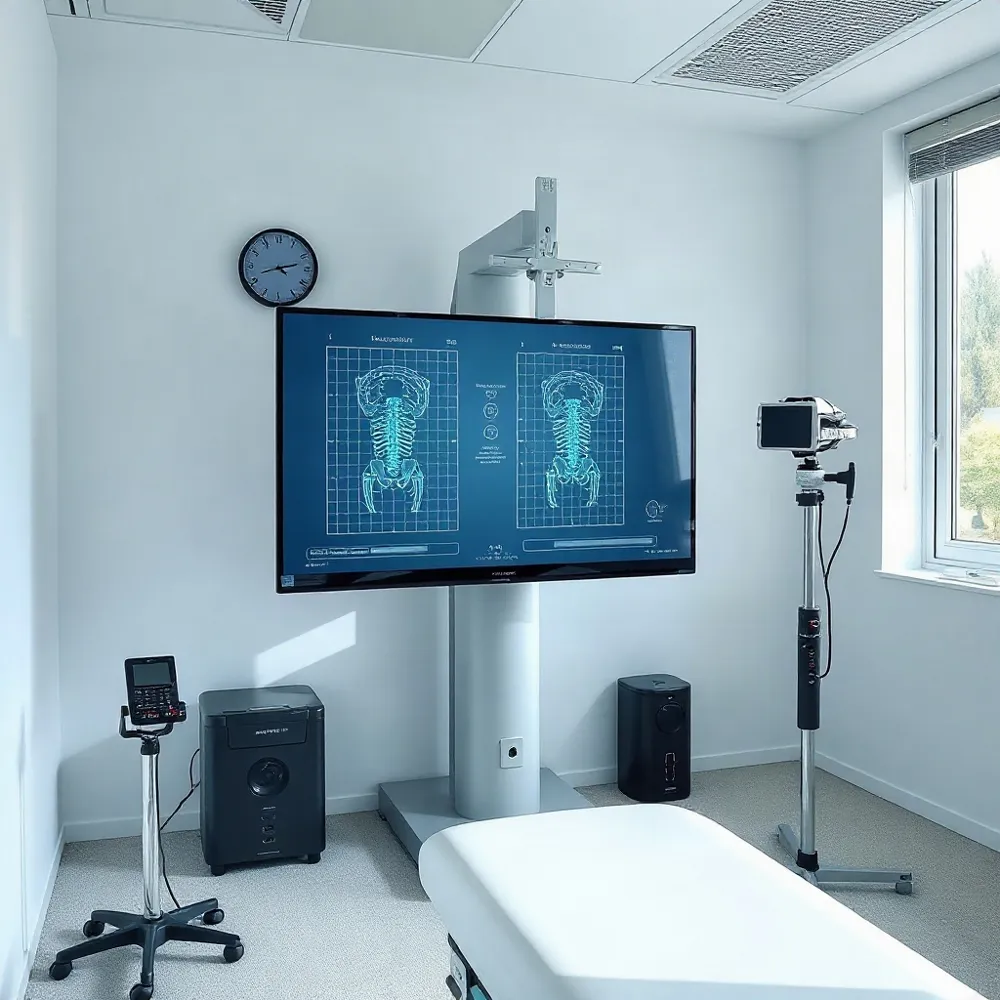
For difficult reconstructions, three-dimensional planning and patient-specific guides may help surgeons plan bone cuts and fixation. A review describes promising results, but these reports do not establish that the approach is superior or appropriate for every fracture. Recent hand-surgery advances underscore the need to match tools to the injury and to weigh evidence and clinical judgment.
Surgical Techniques and Their Evidence
Rebecca S. Yu, MD, is a board-certified orthopedic surgeon specializing in hand and upper-extremity surgery, where procedure choice depends on the injury, examination findings, and a patient’s needs. Recent developments include smaller-incision approaches and imaging tools, but a newer technique is not automatically the right or better option.
Endoscopic carpal tunnel release has outcomes comparable to open release and may reduce scar-related problems. Wrist arthroscopy can help investigate selected cases of ulnar-sided wrist pain and suspected ligament injury. Ultrasound-guided percutaneous release is also reported for trigger finger and carpal tunnel syndrome. These approaches have distinct uses, and suitability depends on the diagnosis and clinical assessment. A 2026 review of hand surgery advances describes these methods while noting that emerging technologies still need validation.
Wide-awake local anesthesia no tourniquet, or WALANT, uses local anesthetic without sedation or a tourniquet. For selected procedures, avoiding sedation and tourniquet pressure may improve comfort, while active movement during surgery can let the surgeon assess tendon glide or fixation and make adjustments. It is not appropriate for every patient or operation.
Other examples include arthroscopic-assisted scaphoid reconstruction and three-dimensional planning with patient-specific guides for complex reconstruction. These reports suggest technical feasibility, not proven superiority over established methods. The evidence varies: case series, cadaver studies, and retrospective comparisons cannot establish that a technique works best for all patients. Dr. Yu’s Berkeley practice provides assessment and treatment options across hand and wrist conditions, allowing decisions to reflect the specific injury and individual circumstances.
Rehabilitation as Part of the Treatment
 Hand therapy helps restore movement, strength, coordination, and everyday function after an injury or operation. A therapist can tailor exercises and other treatment to the affected structures and the patient’s goals, while addressing pain, swelling, stiffness, and scar-related limits.
The plan must fit the surgeon’s precautions. A tendon repair or fracture may need protection before certain movements or strengthening are safe, so patients should follow the care team’s instructions rather than starting exercises independently. As healing allows, therapy can progress toward grip and practical tasks such as dressing, writing, or handling tools. Dr. Rebecca S. Yu, MD, is a board-certified orthopedic surgeon specializing in hand and upper-extremity care in Berkeley, where treatment planning can account for both the injury and its functional demands.
How can new tools support rehabilitation?
Task-oriented virtual reality (VR) is being studied as an addition to standard hand therapy. A randomized inpatient trial supplied for this section reported greater gains in wrist motion and thumb opposition with controller-free VR activities than with comparison exercises, along with more voluntary training. Because the study was conducted at one center over a short treatment period, it does not establish long-term benefit or effectiveness in outpatient care. A recent review discusses VR and other digital rehabilitation approaches, while noting that evidence and access remain limited (review of hand surgery advances).
After distal radius surgery, measuring how pressure is distributed across the hand during grasp may reveal altered loading patterns that a grip-strength score alone misses. This type of assessment could help inform targeted therapy, but its added value for long-term outcomes is not yet established. Rehabilitation decisions remain specific to the patient’s healing and clinical findings.
Common Operations and Arthritis Options
What types of surgery are commonly performed on the hand? Procedures can include carpal tunnel or trigger finger release, ganglion removal, tendon or nerve repair, and fracture realignment and fixation. Selected skin and soft-tissue injuries may need a skin graft or flap. The choice depends on the diagnosis and how the problem affects hand function. A review of recent hand-surgery techniques describes options such as endoscopic carpal tunnel release and ultrasound-guided release, while noting that newer methods are not suitable for every patient.
Dr. Rebecca S. Yu is a board-certified orthopedic surgeon specializing in hand and upper-extremity surgery in Berkeley, California. Assessment considers the specific injury or condition, symptoms, and the patient’s goals. For complex fractures, imaging-guided hand surgery can help inform surgical planning.
What surgical options are available for hand arthritis? Surgery may be discussed when pain or limits on daily activities persist despite nonsurgical care. Options include arthrodesis, or fusion, which stabilizes a painful joint but limits its motion; arthroplasty, or joint replacement, for selected finger joints; and trapeziectomy, removal of a wrist bone, for arthritis at the base of the thumb. Each option involves trade-offs in pain relief, movement, and durability. The affected joint, symptoms, function, and patient preferences guide the decision, and not every procedure is appropriate for every person.
When Carpal Tunnel Surgery Is Considered
Carpal tunnel release may be considered when symptoms persist or worsen despite nonsurgical care, especially if numbness, tingling, or pain interferes with daily activities. A hand surgeon can assess whether the symptoms and examination findings support surgery.
Care may include wrist splinting, changes to activities that aggravate symptoms, therapy, or a steroid injection. Persistent numbness or weakness, or shrinking muscles at the base of the thumb, merits timely discussion with a clinician because these signs may reflect ongoing pressure on the median nerve. Assessment may include a physical examination and nerve testing.
Both open and endoscopic carpal tunnel release have reported comparable outcomes, though endoscopic surgery may offer less scar-related discomfort for some patients. The choice depends on the patient's needs, the procedure, and the surgeon's assessment, not simply on which approach is newer. Dr. Rebecca S. Yu is a board-certified hand and upper-extremity surgeon in Berkeley, California, and her practice provides information about treatment options and appointment booking.
The 2026 review of advances in hand surgery describes both approaches and notes that procedure selection should be guided by individual clinical factors.
Evidence and Individualized Decisions
New imaging, minimally invasive procedures, personalized surgical planning, and digital rehabilitation may widen treatment options, but evidence and access vary. A recent review of hand-surgery advances stresses that emerging tools need further validation and should be applied with attention to safety and availability review of hand-surgery advances.
For patients seeing Rebecca S. Yu, MD, a board-certified hand and upper-extremity surgeon, decisions begin with assessing the specific injury and the person’s needs. A careful diagnosis, clinical judgment, and coordinated rehabilitation matter more than novelty alone when choosing a path toward function.